Galaxy S10 Vs iPhone 12 Pro Max

Galaxy S10
Galaxy S10
Starting at

Refurbished price:£108.00

Versus £639.00 new

See options
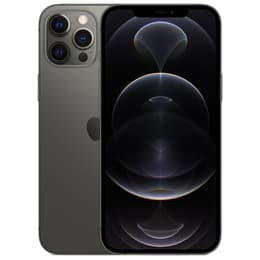
iPhone 12 Pro Max
iPhone 12 Pro Max
Starting at

Refurbished price:£236.00

Versus £979.00 new

See options

Ratings

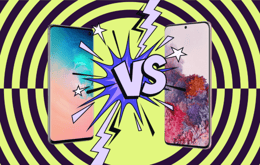
The Samsung Galaxy S10 (2019) and the iPhone 12 Pro Max (2020) represent different eras of flagship smartphone design. While the Galaxy S10 focuses on a compact form factor and versatile hardware features, the iPhone 12 Pro Max offers a larger footprint with a focus on processing power and advanced camera capabilities. These devices run on Android and iOS respectively, providing distinct software experiences for users. Choosing a quality-assured refurbished option for either of these models allows users to access high-end features while making an eco-friendly choice. Selecting between them involves weighing the benefits of a lightweight, feature-rich legacy device against a more modern, large-screen powerhouse.

Scores

Durability

These smartphones differ significantly in their release dates and software support cycles, which impacts their long-term utility and overall utility for the user.

  • Software Longevity: The iPhone 12 Pro Max generally receives software updates for a longer period, with support typically extending six to seven years from its launch date. In contrast, the Galaxy S10 has reached the end of its official major operating system update cycle, though it may still receive occasional security patches for a limited time.
  • Build and Repairability: Both devices feature glass and metal constructions that require careful handling. The iPhone 12 Pro Max uses a ceramic-hardened front glass for improved drop resistance, while the Galaxy S10 is known for its curved edge display which can be more complex to repair if damaged.
  • Practical Lifespan: Users looking for a device to last several more years will find the iPhone 12 Pro Max more capable of running the latest applications, whereas the Galaxy S10 is better suited for those who do not require the newest software features and prefer a device that has already proven its durability over several years.

Year of Release

2019

2020

Compatible with latest Update

No

Yes

OS

Android

iOS

Foldable

No

No

Performance

Performance on these devices is tailored to different usage patterns, from casual browsing to intensive multitasking and mobile gaming.

  • System Responsiveness: The iPhone 12 Pro Max maintains a high level of fluidness when navigating menus and switching between demanding apps, even years after its release. The Galaxy S10 remains capable for everyday tasks like messaging and web browsing, though it may show signs of slowing down when running modern, resource-heavy games or complex video editing software.
  • Battery and Charging: The iPhone 12 Pro Max features a larger battery capacity that comfortably supports a full day of heavy use for most people. The Galaxy S10 has a smaller battery, which may require a mid-day charge for users who frequently use GPS, stream high-definition video, or keep the screen at high brightness.
  • Storage and Multitasking: Both phones offer sufficient memory for handling multiple open tabs and background apps, though the iPhone's management of background processes tends to feel more seamless. The Galaxy S10 offers the advantage of expandable storage via a card slot, which is absent on the iPhone.

Memory (GB)

8 GB

6 GB

Screen quality

The viewing experience varies greatly between these two models due to their size, display technologies, and physical design choices.

  • Display Technology: The Galaxy S10 uses a vibrant AMOLED screen that provides deep blacks and rich colours in a compact 6.1-inch size. The iPhone 12 Pro Max features a much larger 6.7-inch OLED display, offering significantly more screen real estate for watching movies, reading long articles, or editing documents.
  • Outdoor Visibility: Both screens are designed to be bright enough for use in direct sunlight, though the iPhone 12 Pro Max can reach higher peak brightness levels, making it slightly easier to read in bright outdoor environments.
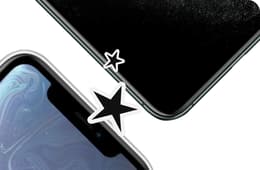
  • Design and Clarity: The Galaxy S10 features a small hole-punch cutout for the camera, providing a nearly edge-to-edge experience. The iPhone 12 Pro Max includes a larger notch at the top of the screen to house its facial recognition sensors, which some users may find more noticeable during media playback.

Resolution

1440 x 3040

1284 x 2778

Screen type

Dynamic AMOLED

Super Retina XDR OLED

Audiovisual

Photography and media consumption are handled with different hardware priorities and software processing styles on these two flagships.

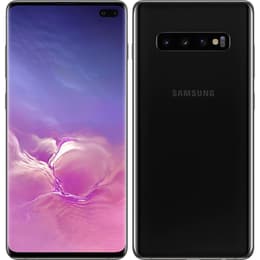
  • Camera Versatility: The Galaxy S10 includes a triple-lens system that covers wide, ultra-wide, and zoomed-in shots, performing well in daylight. The iPhone 12 Pro Max also features three lenses but adds a specialised sensor for better depth sensing and faster autofocus in low-light conditions, resulting in clearer night-time photos.
  • Video Recording: The iPhone 12 Pro Max is widely recognised for its stable and high-quality video capture, including advanced colour processing that rivals professional equipment. The Galaxy S10 produces clear video but lacks the sophisticated stabilisation and high-dynamic-range features found in the newer iPhone model.
  • Audio Experience: The iPhone 12 Pro Max delivers a louder and more balanced sound through its built-in stereo speakers. However, the Galaxy S10 includes a traditional headphone jack, allowing users to connect wired headphones without an adapter, which is a significant convenience for many.

Main camera

12 megapixels

12 megapixels

Front camera

10 megapixels

12 megapixels

Miscellaneous

Practical features like connectivity, biometric security, and physical dimensions play a major role in the daily user experience and handling.

  • Connectivity Standards: The iPhone 12 Pro Max supports 5G networks, providing faster mobile data speeds and better future-proofing. The Galaxy S10 is limited to 4G LTE, which is still reliable for most tasks but slower for large downloads or high-quality streaming on the go.
  • Biometric Security: The Galaxy S10 uses an ultrasonic fingerprint sensor built into the screen, which works even if fingers are slightly damp. The iPhone 12 Pro Max relies on facial recognition technology, which is quick and secure but requires a clear view of the user's face, which can be less convenient in certain situations.
  • Physical Handling: The Galaxy S10 is significantly lighter and narrower, making it easy to use with one hand and fit into smaller pockets. The iPhone 12 Pro Max is heavy and wide, which may feel cumbersome for users with smaller hands but provides a more immersive and substantial feel during use.

Weight

175 g

226 g

Screen size (in)

6.1

6.7

Mobile network

4G

5G

SIM card

Physical SIM

Physical SIM + eSIM

Carrier compatibility

Unlocked

Unlocked

Connector

USB-C + Jack 3.5mm

Lightning

Based on user feedback from various tech communities and forums, both the Galaxy S10 and iPhone 12 Pro Max remain respected devices for different reasons. Galaxy S10 users often praise its ergonomic design, the inclusion of the headphone jack, and the flexibility of expandable storage. However, some note that the battery life has diminished over time and the software is no longer the most current. iPhone 12 Pro Max owners frequently highlight the impressive camera quality, the longevity of the software updates, and the large, immersive screen, though some find the device's size and weight to be a drawback for daily portability.

Users prioritising a compact, lightweight phone with traditional features like a headphone jack and expandable storage will find the Galaxy S10 well-suited to their needs. Conversely, those who require a large screen, 5G connectivity, and a camera capable of professional-looking video will likely lean toward the iPhone 12 Pro Max. Opting for a sustainable choice through refurbishment ensures these capable devices continue to serve users effectively while reducing environmental impact. Both devices offer distinct advantages, and selecting the one that aligns with your specific usage habits ensures a satisfying long-term experience without unnecessary waste.

See all articles

Our recent comparisons