
Galaxy A36 Vs iPhone 15

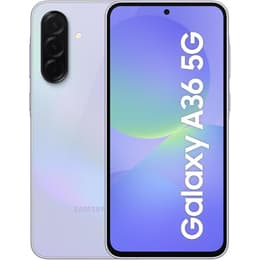
Galaxy A36
Galaxy A36
Starting at

Refurbished price:£206.00

Versus £369.00 new

See options
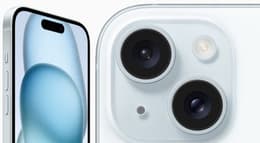
iPhone 15
iPhone 15
Starting at

Refurbished price:£325.00

Versus £699.00 new

See options

Ratings

The Samsung Galaxy A36 (2025) and the Apple iPhone 15 (2023) represent two distinct philosophies in the smartphone market, catering to different user needs and ecosystem preferences. While the iPhone 15 is a flagship-tier device known for its compact design and seamless integration with other Apple services, the Galaxy A36 is a more recent mid-range release that offers a larger footprint and modern Android features. The iPhone 15 introduced the Dynamic Island and USB-C connectivity to the standard line, whereas the Galaxy A36 focuses on delivering a high-refresh-rate display and long-lasting battery life for everyday utility.

These devices operate on iOS and Android respectively, meaning the software experience differs significantly in terms of customisation and interface layout. Choosing between them often comes down to whether you prefer a smaller, highly efficient device or a larger, versatile handset with the latest software optimisations from a more recent release cycle. This comparison explores the practical differences that impact daily usage, from screen clarity to long-term software support.

Scores

Durability

When evaluating how long these devices will remain functional and relevant, both manufacturers offer robust support timelines that ensure several years of reliable use.

  • Software Support: The iPhone 15 is expected to receive iOS updates until approximately 2029 or 2030, following Apple's typical six-year support cycle. The Galaxy A36, being a newer 2025 release, benefits from Samsung's extended update policy, which likely provides security patches and OS upgrades until 2030, keeping the software current for a similar duration.
  • Build and Repairability: The iPhone 15 features a glass and aluminium construction with a design that allows for easier back-glass repairs compared to previous generations. The Galaxy A36 typically uses a combination of glass and durable plastics, which are resilient against minor impacts. Both devices are designed with internal layouts that professional technicians can service to extend their functional lifespan.
  • Hardware Longevity: Because the iPhone 15 uses high-performance internal components designed for flagship efficiency, it tends to maintain its speed well over time. The Galaxy A36 is built with modern mid-range components that are optimised for current apps, ensuring that the device remains responsive for standard tasks throughout its expected five-year life cycle.

Year of Release

2025

2023

OS

Android

iOS

Foldable

No

No

Performance

Performance on these devices is tailored to different types of users, with one prioritising high-end processing power and the other focusing on consistent daily reliability.

  • System Responsiveness: The iPhone 15 handles demanding tasks such as high-resolution video editing and intensive gaming with notable fluidity. Its internal architecture is designed to manage heavy workloads without significant slowdowns, making it a reliable choice for users who frequently use creative or resource-heavy applications.
  • Multitasking and Memory: The Galaxy A36 is equipped with sufficient memory to handle multiple everyday apps simultaneously, such as social media, navigation, and web browsing. It provides a smooth experience for the average user, though it may not match the raw processing speed of the iPhone when pushed to its absolute limits.
  • Battery and Efficiency: The Galaxy A36 typically houses a larger battery capacity, which is well-suited for users who spend long days away from a charger. Choosing a quality-assured refurbished option is an excellent way to access this level of performance while supporting a more circular economy, ensuring the battery and internals meet strict functional standards.

Memory (GB)

6 GB

6 GB

Screen quality

The viewing experience differs primarily in size and smoothness, with each device offering specific advantages for media consumption and general navigation.

  • Display Technology: The iPhone 15 features an OLED display that provides deep blacks and high contrast, making it excellent for watching films or viewing photos. However, it maintains a standard 60Hz refresh rate, which is functional but lacks the ultra-smooth scrolling found on higher-refresh displays.
  • Smoothness and Motion: The Galaxy A36 utilises an AMOLED screen with a 120Hz refresh rate, which means animations and scrolling appear much smoother and more responsive to the touch. This feature is particularly noticeable when browsing through long articles or navigating the system interface.
  • Size and Visibility: With a larger screen area, the Galaxy A36 offers more room for productivity and immersive video playback. The iPhone 15 is more compact, making it easier to use with one hand, while both devices offer high brightness levels that ensure the screen remains legible even under direct sunlight.

Resolution

1080 x 2340

1179 x 2556

Audiovisual

Both smartphones provide versatile camera systems that excel in different environments, allowing users to capture high-quality images and videos with ease.

  • Photo Clarity: The iPhone 15 features a high-resolution main sensor that captures intricate detail and natural skin tones in various lighting conditions. It is particularly well-regarded for its consistent image processing, which ensures that photos look balanced without excessive artificial sharpening.
  • Versatility and Zoom: The Galaxy A36 often includes a triple-camera array, providing an ultra-wide lens for landscapes and a dedicated macro lens for close-up photography. This variety allows users to experiment with different perspectives, though the iPhone's simplified dual-camera system often produces more consistent results across the board.
  • Video and Audio: For users who record a lot of video, the iPhone 15 offers industry-standard stabilisation and clear microphone pick-up, making it a favourite for social media content. The Galaxy A36 provides reliable video recording for everyday memories, with stereo speakers on both devices ensuring a clear audio experience during playback.

Front camera

12

12 megapixels

Miscellaneous

Practical features like connectivity, physical dimensions, and security sensors play a significant role in how these devices feel in your hand and fit into your life.

  • Connectivity and Ports: Both devices have transitioned to USB-C, meaning you can use the same cables for charging and data transfer across most modern electronics. They both support 5G connectivity, ensuring fast mobile data speeds where network coverage is available.
  • Biometrics and Security: The iPhone 15 uses Face ID, which scans your facial features for secure unlocking and authentication. In contrast, the Galaxy A36 typically features an in-display fingerprint sensor, offering a different but equally secure method for accessing the device and sensitive apps.
  • Portability and Handling: The iPhone 15 is significantly lighter and smaller, making it ideal for users who prefer a device that fits easily into small pockets. The Galaxy A36 is larger and heavier, which provides a more substantial feel and more screen real estate, though it may require two-handed use for some tasks.

Weight

195 g

171 g

Screen size (in)

6,74

6.1

Mobile network

5G

5G

SIM card

Dual Physical SIM + eSIM

Physical SIM + eSIM

Carrier compatibility

Unlocked

Unlocked

Connector

USB-C

USB-C (USB 2)

In summary, the choice between the Samsung Galaxy A36 and the iPhone 15 depends largely on your priorities regarding screen size, software ecosystem, and device age. User feedback on forums often highlights the iPhone 15 for its exceptional video quality and the convenience of its compact size, though some users note the 60Hz screen feels less modern than competitors. Conversely, Galaxy A36 users frequently praise the smooth 120Hz display and the long-lasting battery life, while some find the larger dimensions less comfortable for one-handed use.

Users who prioritise a compact, high-performance device with a refined video camera and long-term iOS support will likely find the iPhone 15 to be the better fit. Those who prefer a larger screen for media consumption, a smoother scrolling experience, and the flexibility of the Android operating system may lean toward the Galaxy A36. Selecting a sustainable choice through a refurbished model provides a reliable path to owning these technologies while ensuring they have been tested for quality. Both smartphones are capable of serving a user well for many years, provided the choice aligns with their specific daily requirements and ergonomic preferences.

See all articles

Our recent comparisons