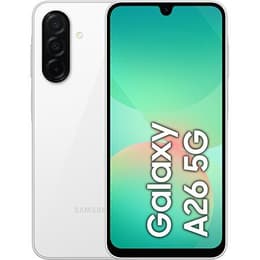


Galaxy A26 Vs Xiaomi Redmi Note 11 Pro 5G

Galaxy A26
Galaxy A26
Starting at

Refurbished price:£152.00

Versus £419.55 new

See options
Xiaomi Redmi Note 11 Pro 5G
Starting at

Refurbished price:£102.00

Versus £599.00 new

See options

Ratings

The Samsung Galaxy A26 5G, released in March 2025, and the Xiaomi Redmi Note 11 Pro 5G, launched in January 2022, are both Android-based smartphones designed for everyday use. While the Galaxy A26 benefits from more recent hardware and extended software support, the Redmi Note 11 Pro 5G offers a robust feature set from its release era. Both devices operate on the Android platform, though they feature distinct manufacturer-specific interfaces.

Scores

Durability

When evaluating the practical lifespan of these devices, their respective release timelines are a key consideration. The newer Galaxy A26 offers a significantly longer period of software support, which directly impacts its functional longevity.

  • Software Updates: The Samsung Galaxy A26 5G is designed for extended use, promising six generations of Android operating system upgrades and six years of security updates from its global launch. In contrast, the Xiaomi Redmi Note 11 Pro 5G, having been released earlier, has likely concluded its major Android update cycle by early 2026 and will receive limited, if any, further security support. [6, 14]
  • Repairability: Both models are generally constructed with mid-range repairability in mind. They typically feature glass backs and plastic frames, allowing for component replacement by skilled technicians. However, the availability of parts for the older Redmi Note 11 Pro 5G may become more challenging over time compared to the more recently released Galaxy A26. [4]
  • Practical Lifespan: Users prioritizing long-term access to the latest Android features and security patches will find the Galaxy A26 offers a considerably longer practical lifespan. The Redmi Note 11 Pro 5G remains functional but will operate on an older software version, potentially affecting compatibility with newer applications and security standards. [4]

Year of Release

2024

2022

Compatible with latest Update

Yes

No

OS

Android

Android

Foldable

No

No

Performance

The performance capabilities of these two smartphones reflect their different release periods and target segments, influencing how smoothly they handle daily tasks and more demanding applications.

  • Processor Capabilities: The Galaxy A26 features a more current-generation mid-range processor, which translates to improved efficiency and raw processing power. This allows for smoother operation of demanding applications and more efficient multitasking compared to the Redmi Note 11 Pro 5G's processor from an earlier generation. [4]
  • System Responsiveness: Users are likely to experience a more fluid and responsive interface on the Galaxy A26, characterized by faster app loading times and less noticeable lag during heavy usage. The Redmi Note 11 Pro 5G provides adequate performance for its class, but some users have reported occasional stuttering with numerous background applications. [4, 18]
  • Storage and Multitasking: Both devices offer various storage configurations, typically starting from 128GB, with options for expandable storage via microSD cards. The RAM configurations on both devices are sufficient for general multitasking, though the Galaxy A26's newer architecture may offer a slight edge in managing multiple active applications. [1, 12, 15]

Memory (GB)

8 GB

6 GB

Screen quality

Both smartphones offer vibrant displays, but there are subtle differences in their characteristics and user experience, particularly concerning brightness and overall visual fidelity.

  • Display Technology and Clarity: Both the Samsung Galaxy A26 5G and the Xiaomi Redmi Note 11 Pro 5G feature Super AMOLED or AMOLED displays, known for their deep blacks, high contrast, and vivid colors. Both typically offer Full HD+ resolution, ensuring sharp text and clear images for everyday viewing. [1, 3, 4, 6, 7]
  • Refresh Rate and Smoothness: Both devices boast a 120Hz refresh rate, contributing to a smoother visual experience when scrolling through content, navigating the interface, and playing compatible games. This higher refresh rate enhances the perception of fluidity compared to standard 60Hz displays. [1, 6, 16]
  • Screen Size and Outdoor Visibility: The Galaxy A26 features a 6.7-inch display, while the Redmi Note 11 Pro 5G has a 6.67-inch display, offering similar expansive viewing experiences. Both displays provide good brightness levels, making them suitable for outdoor use, though specific peak brightness figures can vary. [1, 6, 7]

Resolution

1080 x 2340

1080 x 2400

Audiovisual

The camera systems on these devices offer different strengths, with the Galaxy A26 focusing on a balanced approach and the Redmi Note 11 Pro 5G featuring a higher-resolution main sensor.

  • Rear Camera System: The Galaxy A26 is equipped with a triple camera setup, including a 50MP main sensor with optical image stabilization (OIS), an 8MP ultrawide, and a 2MP macro lens. The Redmi Note 11 Pro 5G also features a triple camera system, highlighted by a 108MP main sensor, an 8MP ultrawide, and a 2MP macro lens. [3, 5, 7, 12]
  • Photography Performance: The Galaxy A26 offers decent rear camera performance with good dynamic range, though some users note colors can appear muted and low-light performance could be improved. The Redmi Note 11 Pro 5G's main camera can capture detailed photos in good lighting, but some users have criticized its overall camera quality, particularly its video capabilities and focus in certain situations. [12, 16, 18, 20]
  • Video Recording and Audio: The Galaxy A26 supports 4K video recording at 30 frames per second. The Redmi Note 11 Pro 5G typically records video at up to 1080p, with some models supporting 60 frames per second, but it lacks 4K recording. Both devices offer adequate microphone quality for calls, and the Redmi Note 11 Pro 5G is noted for its loud stereo speakers, while the Galaxy A26 features a single bottom-firing speaker. [3, 12, 14, 16]

Front camera

13 megapixels

16 megapixels

Miscellaneous

Beyond core specifications, several practical elements differentiate these two smartphones, impacting daily convenience and overall user experience.

  • Connectivity and Ports: Both devices support 5G connectivity, ensuring access to faster mobile networks. The Redmi Note 11 Pro 5G includes a 3.5mm headphone jack, a feature that the newer Galaxy A26 omits, relying solely on its USB-C port for audio and charging. Both utilize USB-C for data transfer and charging. [1, 4, 12, 22]
  • Build Materials and Durability: The Galaxy A26 features a glass back and front with Corning Gorilla Glass Victus+ protection and a plastic frame, offering an IP67 rating for water and dust resistance. The Redmi Note 11 Pro 5G also has a glass back and front with a plastic frame, providing an IP53 rating for splash resistance. [3, 4, 6, 16]
  • Biometric Security and Handling: Both phones incorporate biometric security features, with the Galaxy A26 featuring a fingerprint scanner integrated into the power button. The physical dimensions are similar, with the Galaxy A26 being slightly thinner at 7.7mm compared to the Redmi Note 11 Pro 5G's 8.12mm thickness, influencing their in-hand feel. [1, 6, 12]

Weight

197 g

202 g

Screen size (in)

6.5

6.67

Mobile network

5G

5G

SIM card

Dual Physical SIM

Dual Physical SIM

Carrier compatibility

Unlocked

Unlocked

The Samsung Galaxy A26 5G and the Xiaomi Redmi Note 11 Pro 5G cater to different user priorities, largely due to their respective release dates and design philosophies. Users frequently praise the Redmi Note 11 Pro 5G for its excellent AMOLED screen, strong battery life, and fast charging capabilities. Its stereo speakers and inclusion of a 3.5mm headphone jack are also often highlighted as positive aspects. However, common criticisms include its camera performance, particularly for video, and some users have reported occasional software glitches or inconsistent network performance. [16, 18, 20]

The Galaxy A26 5G, being a more recent release, is generally lauded for its extended software support, offering a longer period of updates and security patches. Users appreciate its improved durability with an IP67 rating and the overall smoother performance for general tasks. Some users, however, have noted concerns regarding battery drain and overheating, and its camera is often described as competent but not exceptional. The absence of a headphone jack is also a point of consideration for some. [19, 22, 23, 24, 25]

Users prioritizing long-term software support, enhanced durability, and a more current-generation processor for general use may find the Samsung Galaxy A26 5G well-suited to their needs. Conversely, individuals who value a robust multimedia experience with stereo speakers, a 3.5mm headphone jack, and very fast charging, and who are comfortable with an older software update cycle, might lean towards the Xiaomi Redmi Note 11 Pro 5G. Both devices offer a solid foundation for daily smartphone use, and considering a quality-assured refurbished option for either model can be an eco-friendly alternative for making an informed choice.


See all articles

Our recent comparisons