
Galaxy A14 5G Vs Galaxy A55

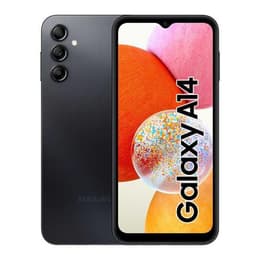
Galaxy A14 5G
Galaxy A14 5G
Starting at

Refurbished price:£80.00

Versus £289.00 new

See options
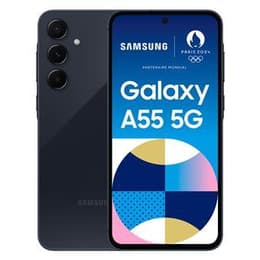
Galaxy A55
Galaxy A55
Starting at

Refurbished price:£193.21

Versus £479.00 new

See options

Ratings

The Samsung Galaxy A14 5G, released in January 2023, and the Samsung Galaxy A55, launched in March 2024, are both Android smartphones from Samsung's popular A-series. While both devices offer 5G connectivity and run on the Android operating system, the Galaxy A55 introduces a more advanced display, enhanced build quality, and a more capable camera system compared to its predecessor.

Scores

Durability

When considering the long-term usability of these devices, several factors come into play, including their release timelines, software support, and repairability.

  • Release Timeline: The Galaxy A14 5G was released in January 2023, making it over a year older than the Galaxy A55, which launched in March 2024. This difference in release date directly impacts the duration of future software support.
  • Software Longevity: The Galaxy A14 5G is expected to receive two major Android OS updates and four years of security updates. In contrast, the newer Galaxy A55 is promised four major OS upgrades and five years of security updates, offering a longer period of up-to-date software and security patches.
  • Repairability: Both devices demonstrate a commitment to repairability. The Galaxy A14 5G has a repairability score of 8 out of 10, partly due to its relatively easy disassembly and a battery with pull tabs for simpler replacement. The Galaxy A55 improves upon this with a score of 8.5 out of 10, indicating even easier disassembly, more accessible parts, and longer availability of replacement components.

Year of Release

2023

2024

Compatible with latest Update

Yes

Yes

OS

Android

Android

Foldable

No

No

Performance

The performance of a smartphone is crucial for daily tasks, from navigating apps to handling more demanding activities like gaming and multitasking.

  • Everyday Responsiveness: The Galaxy A14 5G, powered by a MediaTek Dimensity 700 or Exynos 1330 processor depending on the region, offers solid performance for everyday use. However, users might experience slight stutters when switching between multiple applications. The Galaxy A55, featuring the Exynos 1480 processor, provides a smoother experience, handling demanding applications and multitasking with greater ease.
  • Multitasking and Storage: The Galaxy A14 5G comes with 4GB, 6GB, or 8GB of RAM and 64GB or 128GB of internal storage, which is expandable via a microSD card. The Galaxy A55 offers higher base configurations with 8GB or 12GB of RAM and 128GB or 256GB of storage, also expandable with a microSD card, providing more headroom for multiple apps and larger files.
  • Battery Behavior: Both phones are equipped with a 5000mAh battery. The Galaxy A14 5G generally offers good battery life, often lasting one to two days with normal usage, providing around 8 hours of screen-on time. The Galaxy A55 also delivers strong battery performance, typically lasting over a day with average use and achieving around 7-8 hours of screen-on time, though some tests indicate it might not last as long under continuous heavy drain as some competitors.

Memory (GB)

4 GB

8 GB

Screen quality

The display is a primary interface for smartphone interaction, influencing everything from content consumption to outdoor visibility.

  • Display Technology and Clarity: The Galaxy A14 5G features a 6.6-inch PLS LCD display with a 1080x2408 (FHD+) resolution, offering clear visuals. The Galaxy A55 steps up to a 6.6-inch Super AMOLED display with a 1080x2340 (FHD+) resolution, providing deeper blacks, more vibrant colors, and better contrast.
  • Brightness and Smoothness: The Galaxy A14 5G has a 90Hz refresh rate for smoother scrolling, but its peak brightness of 500 nits can make outdoor viewing challenging in bright sunlight. The Galaxy A55 boasts a 120Hz refresh rate for very fluid motion and a peak brightness of 1000 nits, significantly improving visibility in bright outdoor conditions.
  • Viewing Experience: While both offer a large screen size, the Super AMOLED panel of the Galaxy A55 provides a more immersive and visually appealing experience for watching videos and viewing photos due to its superior color reproduction and contrast.

Resolution

1080 x 2408

1080 x 2340

Screen type

PLS LCD

Super AMOLED

Audiovisual

Camera capabilities are a significant consideration for many users, impacting the quality of photos and videos captured in various conditions.

  • Rear Camera System: The Galaxy A14 5G includes a triple rear camera setup with a 50MP primary sensor, a 2MP macro lens, and a 2MP depth sensor. It lacks an ultrawide camera. The Galaxy A55 features a more versatile triple camera system, comprising a 50MP primary sensor, a 12MP ultrawide lens, and a 5MP macro camera, offering more photographic flexibility.
  • Photography Performance: In good lighting, the Galaxy A14 5G can capture decent photos, but it struggles in low-light conditions and with fast-moving subjects. The Galaxy A55 excels in low-light photography with features like Nightography and offers balanced color reproduction, producing generally sharp and clear images.
  • Video and Front Camera: The Galaxy A14 5G records video at up to 1080p at 30 frames per second and has a 13MP front camera. The Galaxy A55 supports 4K video recording and features a higher-resolution 32MP front camera, providing more detail for selfies and video calls.

Main camera

50 megapixels

50 megapixels

Front camera

13 megapixels

32 megapixels

Miscellaneous

Beyond core specifications, practical elements like connectivity, physical design, and additional features contribute to the overall user experience.

  • Connectivity and Ports: Both devices support 5G connectivity. The Galaxy A14 5G includes Wi-Fi 5, Bluetooth 5.2, NFC, a USB Type-C port, and retains a 3.5mm headphone jack. The Galaxy A55 offers more advanced connectivity with Wi-Fi 6 and Bluetooth 5.3, along with NFC and a USB Type-C port, but it does not include a headphone jack.
  • Build and Durability: The Galaxy A14 5G features a plastic build and lacks an official IP rating for dust and water resistance. The Galaxy A55 presents a more premium construction with a metal frame and Corning Gorilla Glass Victus+ on both the front and back, providing enhanced durability and an IP67 rating for dust and water resistance.
  • Biometrics and Design: The Galaxy A14 5G uses a side-mounted fingerprint sensor. The Galaxy A55 incorporates an in-display fingerprint sensor for a more integrated look. In terms of dimensions, the A14 5G measures 167.70 x 78.00 x 9.10mm and weighs 204g, while the A55 is slightly more compact at 161.10 x 77.00 x 8.20mm and weighs 213g.

Weight

201 g

213 g

Screen size (in)

6.6

6.6

Mobile network

5G

5G

SIM card

Dual Physical SIM

Dual Physical SIM

Carrier compatibility

Unlocked

Unlocked

Connector

USB-C + Jack 3.5mm

USB-C

User feedback for the Galaxy A14 5G often praises its solid everyday performance and strong battery life for its segment. Common criticisms include its LCD display being dim outdoors, the absence of an ultrawide camera, and occasional stutters during heavy multitasking. For the Galaxy A55, users frequently highlight its vibrant Super AMOLED display, premium build quality, and capable camera system, especially in low light. Some users have noted that while battery life is generally good, it can be disappointing in specific drain tests, and some find the bezels to be noticeable.

Users prioritizing extended software support, a more durable and premium build, and a superior display for media consumption will find the Galaxy A55 well-suited to their needs. Its enhanced camera system, including an ultrawide lens and better low-light performance, also makes it a stronger choice for photography enthusiasts. Conversely, users who primarily need a reliable device for basic tasks, value a 3.5mm headphone jack, and prefer a more budget-conscious option may lean toward the Galaxy A14 5G. Both devices offer a robust battery capacity, making them suitable for users who need a phone to last through a full day of use.

For those considering either model, exploring quality-assured refurbished options can provide an eco-friendly alternative, offering a sustainable choice without compromising on functionality.


See all articles

Our recent comparisons