Galaxy A23 5G Vs iPhone 14

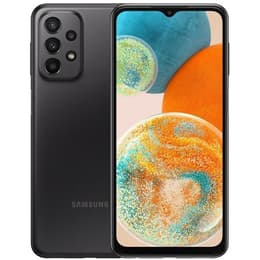
Galaxy A23 5G
Galaxy A23 5G
Starting at

Refurbished price:£100.00

Versus £300.00 new

See options
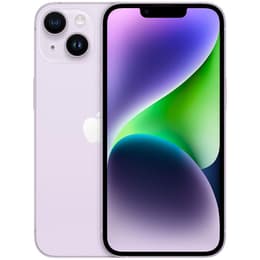
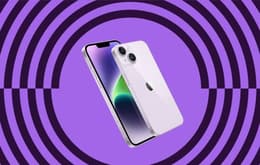
iPhone 14
iPhone 14
Starting at

Refurbished price:£229.00

Versus £599.00 new

See options

Ratings

The Samsung Galaxy A23 5G and the Apple iPhone 14, both released in 2022, represent two different approaches to the modern smartphone experience. While the Galaxy A23 5G is a versatile Android device designed with a focus on screen size and battery endurance, the iPhone 14 offers a compact, high-performance experience within the iOS ecosystem. These devices cater to distinct user priorities, ranging from media consumption preferences to long-term software support requirements.

The primary differentiators between these models lie in their display technology and their overall physical dimensions. The Galaxy A23 5G provides a larger, fluid screen for those who consume a lot of visual content, whereas the iPhone 14 prioritises a more manageable size and a high-contrast viewing experience. Both devices run their respective manufacturer's latest software versions, offering modern interfaces and access to vast application libraries.

Scores

Durability

The longevity of these devices is defined by their build materials and the commitment of their respective manufacturers to software maintenance and security updates over several years.

  • Software Support. The iPhone 14 typically receives operating system updates for six to seven years from its release date, ensuring access to the latest features and security patches well into the late 2020s. The Galaxy A23 5G follows a structured update policy that provides several years of security coverage, though its total lifespan for major version updates is generally shorter than its counterpart, making the iPhone a more suitable choice for those seeking maximum software longevity.
  • Build and Repair. The iPhone 14 features a glass and aluminium construction with high water and dust resistance ratings, providing a sturdy feel in daily use. The Galaxy A23 5G utilises a durable plastic frame and back, which is resilient against drops and impacts. Both manufacturers have improved access to repair parts, though the internal layout of the iPhone 14 is specifically designed to allow for easier screen and back glass replacements compared to previous generations.

Year of Release

2022

2022

Compatible with latest Update

Yes

Yes

OS

Android

iOS

Foldable

No

No

Performance

Performance differences between these two models are most noticeable when handling demanding applications, multitasking between several high-resource tools, or playing modern games.

  • System Responsiveness. The iPhone 14 is designed to handle intensive tasks like high-definition video editing and graphic-heavy gaming with consistent smoothness and speed. In contrast, the Galaxy A23 5G is well-suited for everyday activities such as web browsing, social media, and standard productivity apps, though it may show signs of slowing down when pushed with the most demanding modern software or heavy multitasking.
  • Battery and Efficiency. With a larger physical battery capacity, the Galaxy A23 5G often lasts through a full day of heavy usage, making it a reliable companion for users who are frequently away from power outlets. The iPhone 14 uses highly efficient internal components to maximise its smaller battery, typically providing a full day of standard use, though heavy video recording or gaming will deplete it faster than the Samsung model.

Memory (GB)

4 GB

6 GB

Screen quality

The viewing experience differs significantly due to the underlying display technologies and the physical dimensions of the panels used in each device, affecting how users interact with media.

  • Display Technology. The iPhone 14 employs an OLED panel, which provides deep black levels and high contrast, making it excellent for watching films or viewing high-resolution photos with vibrant colours. The Galaxy A23 5G uses an LCD screen, which offers natural colour reproduction and remains clear for general reading and navigation, though it lacks the absolute darkness and contrast of OLED pixels.
  • Motion and Size. Users who prefer a larger canvas will appreciate the 6.6-inch display on the Galaxy A23 5G, which also features a high refresh rate for smoother scrolling through lists and menus. The iPhone 14 offers a more compact 6.1-inch screen that is easier to use with one hand, prioritising colour accuracy and high brightness for outdoor visibility over a high refresh rate.

Resolution

1080 x 2408

1170 x 2532

Screen type

PLS LCD

Super Retina XDR OLED

Audiovisual

Photography and media playback are handled differently by these two smartphones, with one device focusing on lens variety and the other on processing consistency and video quality.

  • Camera Versatility. The Galaxy A23 5G includes a quad-camera system, featuring a dedicated ultra-wide lens for landscapes and a macro lens for close-up photography. This provides users with more physical options for framing shots in various environments. The iPhone 14 uses a dual-camera setup that focuses on high-quality image processing, delivering consistent results with natural skin tones and excellent detail in most lighting conditions.
  • Video and Audio. For users who record a lot of video, the iPhone 14 offers advanced stabilisation and high-fidelity recording features that are often preferred for social media content. The Galaxy A23 5G provides reliable video for casual use and includes a traditional headphone jack, a feature missing from the iPhone, which allows for the use of wired audio equipment without the need for external adapters.

Main camera

50 megapixels

12 megapixels

Front camera

8 megapixels

12 megapixels

Miscellaneous

Practical daily use is influenced by how you unlock the device, how you charge it, and how it feels in your hand or pocket during transit.

  • Biometrics and Ports. The iPhone 14 uses facial recognition technology for secure unlocking and payments, which functions well in most lighting scenarios. The Galaxy A23 5G features a fingerprint sensor integrated into the power button, offering a tactile and quick way to access the phone. Additionally, the Samsung uses a universal USB-C port for charging, while the iPhone 14 relies on the proprietary Lightning connector.
  • Portability and Connectivity. Both devices support 5G connectivity for fast mobile data speeds where available. The iPhone 14 is notably lighter and smaller, making it a better fit for small pockets or users who prefer a less bulky device. The Galaxy A23 5G, while larger and heavier, provides more screen space for those who use their phone as a primary device for reading or watching videos on the go.

Weight

197 g

172 g

Screen size (in)

6.6

6.1

Mobile network

5G

5G

SIM card

Dual Physical SIM

Physical SIM + eSIM

Carrier compatibility

Unlocked

Unlocked

Connector

USB-C + Jack 3.5mm

Lightning

User consensus on the Galaxy A23 5G often highlights the impressive battery life and the smoothness of the 120Hz display as major positives for daily use. Some users note that the plastic build feels less substantial than metal alternatives, but they appreciate the inclusion of expandable storage and a headphone jack, which are increasingly rare in modern smartphones. On the other hand, iPhone 14 users frequently praise the device's consistent camera performance and the seamless integration of the software ecosystem. A common observation among users is that while the iPhone 14 lacks a high refresh rate screen, its overall system speed and long-term software support make it a reliable choice for several years of use.

Choosing between these two depends largely on your daily habits and technical priorities. Users prioritising a large screen for media consumption, long-lasting battery life, and the flexibility of expandable storage will find the Galaxy A23 5G to be a practical choice. Conversely, users who prefer a compact design, high-quality video recording, and a device that will receive software updates for many years may lean toward the iPhone 14. Both smartphones are available as a quality-assured refurbished option, providing a way to access these features while making a sustainable choice for the environment. Ultimately, the decision rests on whether you value the versatile hardware features of the Samsung or the refined, long-term software experience of the Apple device.

See all articles

Our recent comparisons