
Compare models
Galaxy A17 Vs Galaxy Z Fold4
- 1-year minimum warranty
- Free delivery on all items
- Free 30-day returns
Differences at a glance
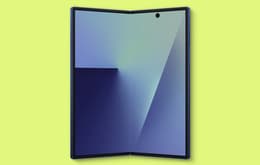
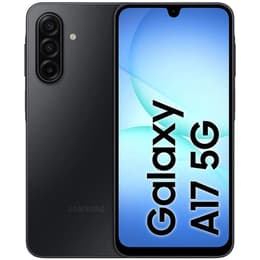
The Samsung Galaxy A17 (2025) and the Samsung Galaxy Z Fold4 (2022) represent two completely different philosophies in mobile design, contrasting a traditional candy-bar smartphone with an innovative foldable form factor. While the Galaxy A17 focuses on delivering essential daily reliability through a standard candy-bar body, the Galaxy Z Fold4 introduces a dual-screen multitasking layout that opens into a tablet-sized workspace. Both devices run on the Android operating system with Samsung's custom interface, but they target contrasting user expectations through their hardware design, release year, and structural capabilities.
Available Models
Colour
Storage
Scores
Durability
When examining structural longevity and software support, these two devices approach durability from distinct angles shaped by their generation and physical design.
- Release timeline and software support: The Galaxy A17 benefits from a later release year and extensive software update backing, ensuring long-term security patch coverage. The Galaxy Z Fold4 has been on the market longer, meaning its active update window will conclude earlier than its newer counterpart.
- Hardware durability and design: The Galaxy A17 utilizes a traditional rigid slate construction with standard drop resistance. In contrast, the Galaxy Z Fold4 features complex folding mechanics and a dual-screen assembly that requires careful handling over years of daily folding cycles.
- Expected practical lifespan: Software longevity favors the newer model, while physical wear depends heavily on how frequently the folding mechanism of the Z Fold4 is utilized in daily routines.
Year of Release
2025
2022
OS
Android
Android
Foldable
No
Yes
Performance
Underneath their exteriors, these devices handle everyday workloads, app switching, and sustained tasks through very different processing architectures and memory configurations.
- Multitasking and system responsiveness: The Galaxy Z Fold4 handles intensive multitasking, demanding mobile games, and split-screen workflows smoothly thanks to its high-tier processor and generous RAM allocation. The Galaxy A17 manages daily messaging, web browsing, and casual applications comfortably, though heavy gaming or intensive background rendering will test its limits.
- Battery behavior: The Galaxy A17 pairs a modest processor with a high-capacity battery, comfortably lasting through a full day of standard use. The Galaxy Z Fold4 powers two distinct displays, meaning intensive use of the large inner screen results in more frequent charging sessions throughout the day.
- Storage capacity: The Galaxy Z Fold4 offers expansive internal storage tiers suitable for large media libraries, whereas the Galaxy A17 provides standard storage configurations tailored for everyday files and streaming services.
Screen quality
Display architecture is the defining differentiator between these two smartphones, shaping how media, reading, and productivity tasks are experienced.
- Display technology and layout: The Galaxy A17 features a single, expansive flat panel utilizing clear technology suited for comfortable media viewing and web reading. The Galaxy Z Fold4 provides two displays: a standard outer screen for quick interactions and a folding inner screen that transforms into a tablet-sized canvas.
- Brightness and outdoor visibility: Both screens offer sufficient brightness levels for outdoor readability under direct daylight, though reflective properties vary due to the protective film on the folding inner screen.
- Refresh rate and smoothness: Both devices support smooth visual refresh rates, ensuring fluid scrolling through menus, web pages, and application lists.
Resolution
1080x2340
1812 x 2176
Audiovisual
Media capture and multimedia output capabilities differ significantly, reflecting the distinct market segments these two smartphones occupy.
- Camera system versatility: The Galaxy Z Fold4 includes a flexible multi-lens setup featuring dedicated optical zoom and wide-angle capabilities for diverse photography scenarios. The Galaxy A17 relies on a straightforward camera configuration designed for clear everyday snapshots and casual video recording.
- Low-light and video performance: The Galaxy Z Fold4 processes challenging lighting conditions with advanced image stabilization and clarity. The Galaxy A17 performs adequately in well-lit environments, though low-light scenes introduce visible detail loss.
- Audio and media consumption: The Galaxy Z Fold4 delivers robust stereo sound output well-suited for watching videos on its large unfolded screen, while the Galaxy A17 provides standard single-speaker or basic stereo audio for calls and casual media.
Front camera
13MP
4 megapixels
Miscellaneous
Practical everyday utilities, connectivity standards, and physical handling characteristics define how each device integrates into a traveler's or professional's routine.
- Connectivity and standards: Both models support modern network connectivity standards, reliable Wi-Fi protocols, and Bluetooth pairing for wireless accessories.
- Biometrics and security: The Galaxy A17 relies on a side-mounted fingerprint sensor integrated into the power key for quick unlocking. The Galaxy Z Fold4 similarly places its fingerprint sensor on the side frame alongside face recognition options.
- Weight and physical handling: The Galaxy A17 features a lightweight, slim profile that rests comfortably in one hand or a pocket. The Galaxy Z Fold4 is heavier and thicker when folded, reflecting its dual-screen mechanical nature, which requires two-handed use when fully opened.
Weight
192 g
263 g
Screen size (in)
6.7
7.6
Mobile network
5G
5G
SIM card
Dual Physical SIM
Dual Physical SIM + eSIM
Carrier compatibility
Unlocked
Unlocked
Connector
USB-C
USB-C
What the community thinks
User feedback from online communities highlights distinct praise and common criticisms for both devices. Owners of the Galaxy A17 frequently praise its reliable all-day battery life, comfortable daily usability, and extended software support window relative to its class. At the same time, users note that processing speeds are tailored strictly for everyday tasks rather than demanding gaming. Conversely, Galaxy Z Fold4 users often highlight the unmatched productivity boost of the expansive inner screen and versatile camera system, while frequently noting the heavier physical weight and the visible crease along the folding display.
Users prioritizing a lightweight, straightforward device with long-term software backing will find the Galaxy A17 well-suited to their daily routines. Meanwhile, users looking for multitasking flexibility, a tablet-sized workspace, and advanced photography tools will lean toward the Galaxy Z Fold4. Exploring a quality-assured refurbished option provides a sustainable choice for acquiring either model while reducing electronic waste. Ultimately, the right choice depends on whether a traditional smartphone layout or an expandable folding screen aligns better with daily productivity needs.