
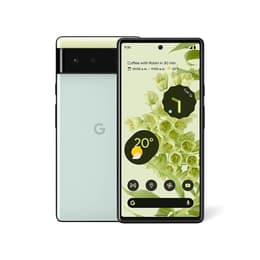
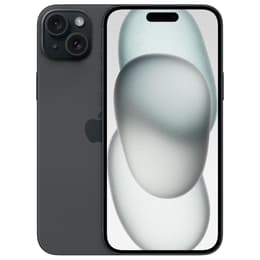

Google Pixel 6 Vs iPhone 15 Plus

Google Pixel 6
Google Pixel 6
Starting at

Refurbished price:£101.00

Versus £649.99 new

See options
iPhone 15 Plus
iPhone 15 Plus
Starting at

Refurbished price:£344.00

Versus £799.00 new

See options

Ratings

The Google Pixel 6, released in October 2021, and the iPhone 15 Plus, launched in September 2023, represent distinct approaches to the modern smartphone experience. While both are designed to offer robust performance and advanced camera capabilities, they differ significantly in their operating systems and overall ecosystem. The Pixel 6 runs on Google's Android platform, emphasizing AI-driven features and a clean software experience, whereas the iPhone 15 Plus operates on Apple's iOS, known for its integrated services and user-friendly interface. Key differentiators include their display technologies, camera systems, and expected software support timelines.

Scores

Durability

The practical lifespan of a smartphone is influenced by its release timeline, software support, and physical durability.

  • Release Timeline: The Google Pixel 6 was introduced in October 2021, making it a more mature device compared to the iPhone 15 Plus, which debuted in September 2023. This age difference impacts their respective positions in the update cycle.
  • Software Longevity: Google typically provides a minimum of three years of major Android OS updates and five years of security updates for the Pixel 6. The iPhone 15 Plus, being a newer Apple device, is expected to receive iOS updates for a longer period, generally between five to seven years from its release. This extended software support on the iPhone 15 Plus can translate to a longer period of access to new features and security patches.
  • Durability Features: Both devices feature robust build materials and an IP68 rating for dust and water resistance. The Pixel 6 utilizes Gorilla Glass Victus on the front and Gorilla Glass 6 on the back, while the iPhone 15 Plus incorporates Ceramic Shield on the front and color-infused glass on the back. Repairability for both models has seen improvements, though the iPhone 15 series has been noted for more accessible internal design for certain repairs.

Year of Release

2021

2023

Compatible with latest Update

Yes

Yes

OS

Android

iOS

Foldable

No

No

Performance

Performance in daily use is a critical aspect, encompassing how smoothly applications run, how efficiently the battery manages power, and the device's overall responsiveness.

  • System Responsiveness: The Google Pixel 6, powered by its custom-designed processor, handles demanding applications and multitasking with efficiency. Users generally report a fluid experience for everyday tasks and gaming. The iPhone 15 Plus, featuring a powerful current-generation processor, delivers exceptional speed and responsiveness across all applications, from casual browsing to intensive gaming and video editing.
  • Storage and Multitasking: The Pixel 6 is available with 8 GB of RAM and storage options up to 256 GB, providing ample space and memory for most users. The iPhone 15 Plus offers 6 GB of RAM and storage configurations up to 512 GB, ensuring smooth multitasking and sufficient space for extensive media libraries and applications.
  • Battery Behavior: The Pixel 6 is equipped with a 4614 mAh battery, designed to provide a full day of use for many users, though some have noted variability in battery performance depending on usage patterns and network conditions. The iPhone 15 Plus, with a 4383 mAh battery, is optimized for extended usage, with Apple claiming all-day battery life, and user reports often confirm strong endurance, particularly for video playback and general use.

Memory (GB)

8 GB

6 GB

Screen quality

The display is a primary interface, and its quality significantly impacts the user experience for media consumption, browsing, and daily interactions.

  • Display Technology and Clarity: The Google Pixel 6 features a 6.4-inch OLED display with a resolution of 2400 x 1080 pixels, offering vibrant colors and deep blacks. The iPhone 15 Plus comes with a larger 6.7-inch Super Retina XDR OLED display, providing a higher resolution of 2796 x 1290 pixels, resulting in sharper text and more detailed images.
  • Refresh Rate and Smoothness: The Pixel 6 offers a 90Hz refresh rate, which contributes to smoother scrolling and a more fluid visual experience compared to standard 60Hz displays. The iPhone 15 Plus maintains a 60Hz refresh rate, which is consistent for everyday use but may not feel as fluid as higher refresh rate displays during fast-paced content or scrolling.
  • Brightness and Viewing Experience: Both devices offer good brightness levels for outdoor visibility and HDR content. The iPhone 15 Plus also integrates the Dynamic Island, a feature that dynamically adapts to show alerts and activities, enhancing the interactive viewing experience.

Resolution

1080 x 2400

1290 x 2796

Screen type

AMOLED

Super Retina XDR OLED

Audiovisual

Camera capabilities are a major consideration for many users, influencing how they capture and share moments.

  • Rear Camera Systems: The Google Pixel 6 features a dual-camera setup with a 50 MP main sensor and a 12 MP ultrawide lens, known for its computational photography that excels in capturing natural colors and detail, especially in various lighting conditions. The iPhone 15 Plus also has a dual-camera system, comprising a 48 MP main camera and a 12 MP ultrawide camera, delivering high-resolution photos with strong detail and color accuracy.
  • Photography Performance: The Pixel 6 is praised for its consistent image quality, particularly its Night Sight mode and features like Magic Eraser. The iPhone 15 Plus offers enhanced portrait capabilities and improved low-light performance, with users appreciating its reliable point-and-shoot experience.
  • Video and Audio: Both phones are capable of recording high-quality video. The Pixel 6 supports 4K video recording at 60 frames per second. The iPhone 15 Plus also records 4K video at 60 frames per second and offers strong microphone quality for clear audio capture during recordings and calls.

Main camera

50 megapixels

48 megapixels

Front camera

8 megapixels

12 megapixels

Miscellaneous

Beyond core features, several practical elements contribute to the overall usability and convenience of a smartphone.

  • Connectivity and Ports: Both the Pixel 6 and iPhone 15 Plus support 5G connectivity and modern Wi-Fi standards (Wi-Fi 6E), ensuring fast data speeds. A notable difference is the charging port: the Pixel 6 uses USB-C, a standard also adopted by the iPhone 15 Plus, marking a shift from Apple's proprietary Lightning port.
  • Biometric Security: The Pixel 6 features an under-display optical fingerprint sensor for secure unlocking and authentication. The iPhone 15 Plus relies on Face ID, Apple's facial recognition system, for biometric security.
  • Design and Handling: The Pixel 6 has dimensions of 158.6 x 74.8 x 8.9 mm and weighs 207 grams, featuring a distinctive camera bar design. The iPhone 15 Plus is slightly larger and lighter at 160.9 x 77.8 x 7.8 mm and 201 grams, with a more uniform design across its back.

Weight

207 g

201 g

Screen size (in)

6.4

6.7

Mobile network

5G

5G

SIM card

Physical SIM + eSIM

Physical SIM + eSIM

Carrier compatibility

Unlocked

Unlocked

The Google Pixel 6 and iPhone 15 Plus cater to users with differing priorities, reflecting their respective ecosystems and design philosophies. Users often praise the Pixel 6 for its exceptional camera performance, particularly its computational photography features that deliver consistent and natural-looking images. Its clean Android experience and AI-driven functionalities are also frequently highlighted as strong points. Some criticisms have occasionally surfaced regarding modem performance and battery life consistency for certain usage patterns.

The iPhone 15 Plus receives commendation for its robust overall performance, excellent battery life, and the reliability of its camera system. The integrated iOS ecosystem and long-term software support are also significant advantages for many users. A common point of discussion for some is the 60Hz display refresh rate, which, while perfectly functional, is lower than some competing devices.

Users prioritizing an advanced camera with a focus on AI-enhanced photography and a pure Android experience may find the Google Pixel 6 well-suited to their needs. Those who value a larger, vibrant display, consistent performance, extended software longevity, and a deeply integrated ecosystem might lean towards the iPhone 15 Plus. Both devices offer compelling features, and the choice often comes down to personal preference for operating system and specific feature emphasis. For those considering either device, exploring quality-assured refurbished options can provide an eco-friendly alternative to extend the life cycle of these capable smartphones.


See all articles

Our recent comparisons




