

Smartphones
Compare models
Differences at a glance
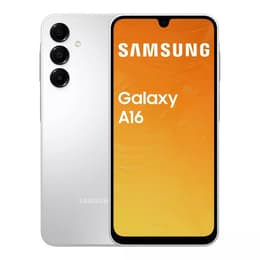
The Samsung Galaxy A16 and the Google Pixel 8 are both Android smartphones, yet they cater to different user expectations and priorities. The Galaxy A16, released in October 2024 in Europe and January 2025 in the US, is positioned as a capable mid-range device. In contrast, the Google Pixel 8, launched in October 2023, offers a more premium experience with a focus on advanced computational features and a streamlined software experience. The primary distinctions between these two models lie in their performance capabilities, camera systems, and display quality.
Colour
Storage
When considering the longevity of these devices, both offer substantial software support, though with slight differences in their release timelines and build quality.
Year of Release
Compatible with latest Update
OS
Foldable
The performance of these two smartphones varies significantly, largely due to their internal components and design philosophies.
The visual experience on these two devices is shaped by their display technologies and specifications.
Resolution
Screen type
The camera capabilities represent a significant area of difference, with each device offering distinct strengths.
Main camera
Front camera
Beyond the core specifications, several practical elements contribute to the overall user experience of each device.
Weight
Screen size (in)
Mobile network
SIM card
Carrier compatibility
Connector
User feedback for the Google Pixel 8 frequently highlights its exceptional camera quality, smooth software experience, and Google's commitment to long-term software updates as key strengths. However, some users have noted that the device can become warm during intensive use, and its battery life, while generally good for a full day, might be considered average for heavy users. The optical fingerprint sensor has also received mixed reviews regarding its speed and consistency.
For the Samsung Galaxy A16, common praise centers on its impressive battery life, large and vibrant display, and Samsung's extended software support for a device in its category. Conversely, frequent criticisms include its sometimes sluggish performance, especially when multitasking or running demanding applications, and the basic capabilities of its ultrawide and macro cameras. The plastic build, while contributing to its overall feel, is also a point of distinction.
Users prioritizing a compact device with a top-tier camera system, advanced AI features, and the longest possible software support may find the Google Pixel 8 well-suited to their needs. This device is ideal for those who value photography and a clean, responsive Android experience. On the other hand, users who prioritize a larger display, extended battery life for moderate usage, and expandable storage, and who primarily engage in everyday tasks without heavy gaming or demanding applications, may lean towards the Samsung Galaxy A16. Both devices offer a quality-assured refurbished option, providing an eco-friendly alternative for consumers.