
Samsung
Compare models
Differences at a glance
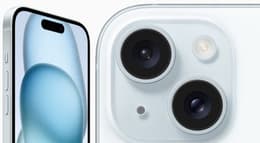
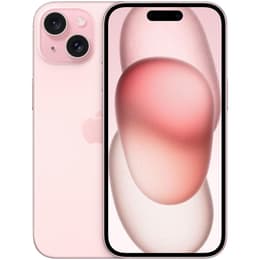
The Samsung Galaxy A16 5G (2024) and the Apple iPhone 15 (2023) represent two distinct approaches to the modern smartphone experience. While the Galaxy A16 5G focuses on providing a large-screen experience with extended software support, the iPhone 15 offers a more compact design with high-performance internals. These devices run on different ecosystems—Android and iOS respectively—which significantly influences the user interface, app availability, and how the hardware interacts with other gadgets. Understanding these core differences helps in identifying which device aligns better with specific daily habits and long-term expectations.
Colour
Storage
Both manufacturers have made significant commitments to how long these devices remain functional and secure, though they approach longevity through different software strategies. The Galaxy A16 5G is notable for its six-year software update promise, which is quite extensive for its category, while the iPhone 15 follows Apple's tradition of long-term support.
Year of Release
Compatible with latest Update
OS
Foldable
Performance is defined by how smoothly a device handles multitasking, gaming, and everyday navigation, with both devices offering reliable experiences tailored to different intensity levels. The iPhone 15 utilizes high-end internal hardware that ensures rapid app launching, while the Galaxy A16 5G is built for steady daily use.
The visual experience differs greatly between these two models in terms of physical size, display technology, and motion smoothness. The Galaxy A16 5G features a 6.7-inch display, making it a substantial device for media consumption, whereas the iPhone 15 offers a 6.1-inch display that is easier to navigate with one hand.
Resolution
Screen type
Camera performance is often a deciding factor for smartphone users, and these devices cater to different photographic needs through their lens configurations and processing. The iPhone 15 focuses on high-resolution output and computational photography, while the Galaxy A16 5G provides a versatile multi-lens setup for various perspectives.
Main camera
Front camera
Practical features like connectivity, biometrics, and physical handling play a large role in daily satisfaction. Both devices support 5G connectivity, ensuring they are ready for modern high-speed mobile networks, and both have transitioned to the universal USB-C charging standard.
Weight
Screen size (in)
Mobile network
SIM card
Carrier compatibility
Connector
User consensus on the Galaxy A16 5G often highlights its impressive battery life and the generous screen size as major positives for those who consume a lot of video content. Some users have noted that while the software support is exceptionally long, the hardware is best suited for moderate daily tasks rather than intensive professional work. On the other hand, iPhone 15 users frequently praise the camera quality and the seamless integration with other Apple products, though some express a desire for a faster screen refresh rate found on other modern devices.
Users who prioritise a large screen for watching videos and a battery that can comfortably last through a busy day may find the Galaxy A16 5G aligns well with their needs. Conversely, those who prefer a compact, high-performance device with a focus on photography and video quality will likely lean toward the iPhone 15. Choosing a quality-assured refurbished option for either of these models is an eco-friendly alternative that supports a more circular economy. Ultimately, the decision rests on whether you prefer the customisation and expansion options of the Samsung or the streamlined, high-performance experience of the iPhone. Both represent a sustainable choice through refurbishment, ensuring that these capable devices continue to serve users effectively for years to come.