Galaxy A16 5G Vs iPhone 14 Pro Max

Galaxy A16 5G
Galaxy A16 5G
Starting at

Refurbished price:£103.00

Versus £205.87 new

See options
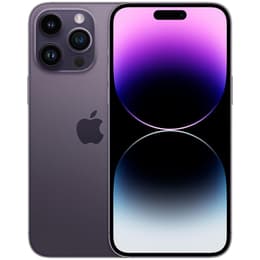
iPhone 14 Pro Max
iPhone 14 Pro Max
Starting at

Refurbished price:£325.00

Versus £1,199.00 new

See options

Ratings

The Samsung Galaxy A16 5G, released in late 2024, and the iPhone 14 Pro Max, launched in late 2022, represent two distinct approaches to the modern smartphone experience. While the Galaxy A16 5G is a contemporary entry-level device designed for long-term reliability and 5G connectivity, the iPhone 14 Pro Max remains a high-performance flagship that prioritises advanced media capabilities and a robust build. These devices operate on different software ecosystems—Android with Samsung's One UI and Apple's iOS—offering users varied choices in terms of interface customisation and app integration.

The primary differentiators between these two models lie in their hardware philosophy and software support timelines. The Galaxy A16 5G focuses on providing an essential, modern experience with an unusually long update commitment for its category, whereas the iPhone 14 Pro Max offers a more intensive feature set, including a sophisticated camera system and a high-refresh-rate display. Choosing between them involves weighing the benefits of a newer, long-supported entry-level device against a slightly older but more powerful flagship model.

Scores

Durability

The longevity of these devices is defined by their contrasting release dates and the specific software support policies of their respective manufacturers.

  • Software Support Timeline: The Galaxy A16 5G benefits from a significant commitment from Samsung, offering six years of operating system and security updates, which potentially extends its functional life until 2030. In contrast, the iPhone 14 Pro Max typically receives six to seven years of support from its 2022 launch, meaning its software relevance may conclude around 2028 or 2029.
  • Build Materials and Repairability: The iPhone 14 Pro Max features a stainless steel frame and Ceramic Shield glass, providing high resistance to daily wear, though repairs can be complex due to internal design. The Galaxy A16 5G utilises a reinforced plastic construction that is lighter and often more straightforward to service, though it lacks the same level of structural rigidity found in the flagship iPhone model.
  • Practical Lifespan: Users can expect both devices to remain functional for several years, but the Galaxy A16 5G is specifically engineered to stay current with modern security standards for a longer duration from the present date.

Year of Release

2024

2022

Compatible with latest Update

Yes

Yes

OS

Android

iOS

Foldable

No

No

Performance

Performance characteristics differ based on the intended use cases, with one device focusing on efficiency and the other on high-demand multitasking.

  • System Responsiveness: The iPhone 14 Pro Max utilises a high-performance processor that handles intensive tasks like video editing and high-fidelity gaming with consistent smoothness. The Galaxy A16 5G is equipped with a modern, efficient processor that manages everyday applications, web browsing, and social media effectively, though it may show limitations during extremely demanding workloads.
  • Multitasking and Memory: With its integrated hardware and software optimisation, the iPhone 14 Pro Max maintains multiple background apps without refreshing, ensuring a seamless transition between tasks. The Galaxy A16 5G provides sufficient memory for standard multitasking, making it well-suited for users who prioritise a stable, reliable experience for routine digital activities.
  • Battery Behaviour: Both devices are designed to last through a full day of typical use. The Galaxy A16 5G features a large battery capacity that excels in standby time and light usage, while the iPhone 14 Pro Max manages power efficiently during active screen time, particularly when consuming high-definition media.

Memory (GB)

4 GB

6 GB

Screen quality

The display technologies used in these models offer different visual experiences tailored to media consumption and outdoor visibility.

  • Display Technology and Smoothness: The iPhone 14 Pro Max features an LTPO OLED display with a variable refresh rate up to 120Hz, resulting in fluid scrolling and animations. The Galaxy A16 5G uses a Super AMOLED panel with a 90Hz refresh rate, which provides vibrant colours and smoother motion than standard screens, though it does not reach the same level of fluidity as the iPhone.
  • Brightness and Clarity: For outdoor use, the iPhone 14 Pro Max offers very high peak brightness levels, making the screen easily readable even in direct sunlight. The Galaxy A16 5G provides clear visibility in most environments, though users may find it slightly less legible under intense glare compared to the flagship display.
  • Viewing Experience: Both phones offer large 6.7-inch screens, but the iPhone 14 Pro Max includes the Dynamic Island feature for interactive notifications. The Galaxy A16 5G employs a more traditional notch design, providing a large, uninterrupted canvas for watching videos and browsing content.

Resolution

1080 x 2340

1290 x 2796

Screen type

Super AMOLED

LTPO Super Retina XDR OLED

Audiovisual

The camera systems reflect the different market positions of these devices, with one offering a versatile professional toolkit and the other a reliable everyday snapper.

  • Photographic Versatility: The iPhone 14 Pro Max includes a triple-lens system with a dedicated telephoto sensor for optical zoom and a LiDAR scanner for depth mapping. The Galaxy A16 5G features a triple-camera setup led by a high-resolution main sensor, which captures detailed images in daylight but lacks a dedicated zoom lens for distant subjects.
  • Video and Low-Light Performance: Video recording on the iPhone 14 Pro Max is highly stabilised and supports advanced formats for creative control. The Galaxy A16 5G produces stable, clear video for social sharing and personal memories, performing best in well-lit conditions, whereas the iPhone maintains more detail and less noise in darker environments.
  • Audio and Media Output: The iPhone 14 Pro Max is equipped with a sophisticated stereo speaker system that provides a wide soundstage for movies and music. The Galaxy A16 5G offers clear audio through its speaker system, though it is more focused on functional clarity for calls and casual media viewing.

Main camera

50 megapixels

48 megapixels

Front camera

13 megapixels

12 megapixels

Miscellaneous

Practical features and physical design choices influence how these devices handle in daily life and how they connect to other hardware.

  • Connectivity and Ports: The Galaxy A16 5G uses the universal USB-C standard for charging and data transfer, ensuring compatibility with most modern accessories. The iPhone 14 Pro Max utilises the Lightning port, which requires specific cables but supports a vast ecosystem of existing Apple-compatible peripherals.
  • Biometrics and Security: Security is handled differently on each device, with the iPhone 14 Pro Max using FaceID for secure facial recognition. The Galaxy A16 5G features a side-mounted fingerprint sensor, which many users find practical for quick unlocking while holding the device or when it is resting on a surface.
  • Physical Handling: Due to its stainless steel construction, the iPhone 14 Pro Max is significantly heavier, which may impact comfort during long periods of one-handed use. The Galaxy A16 5G, being primarily made of reinforced polymers, is lighter and may be easier to handle for users who prefer a less substantial weight in their pocket.

Weight

200 g

120 g

Screen size (in)

6.7

6.7

Mobile network

5G

5G

SIM card

Dual Physical SIM

Physical SIM + eSIM

Carrier compatibility

Unlocked

Unlocked

Connector

USB-C

Lightning

In summary, the choice between the Galaxy A16 5G and the iPhone 14 Pro Max depends largely on a user's specific priorities regarding performance and software longevity. Based on user feedback from various tech forums, the Galaxy A16 5G is frequently praised for its impressive battery life and the peace of mind provided by its six-year update programme. Some users note that while it is not a gaming powerhouse, it handles daily tasks with reliable consistency. Conversely, the iPhone 14 Pro Max is lauded for its exceptional display quality, professional-grade video capabilities, and the seamless nature of the iOS ecosystem, though some find its weight and the older Lightning port to be minor inconveniences in a modern context.

Users who prioritise having a brand-new device with the longest possible security support and a lightweight build may find the Galaxy A16 5G to be a well-suited companion. Those who require high-end performance for creative work, intensive gaming, or superior zoom photography will likely lean toward the iPhone 14 Pro Max. For those looking to make a sustainable choice, selecting a quality-assured refurbished option is an eco-friendly alternative that extends the life of these capable machines. Ultimately, both smartphones offer robust experiences; the Galaxy A16 5G serves as a practical, future-proof entry-level choice, while the iPhone 14 Pro Max remains a powerful tool for those who demand flagship-tier features.


See all articles

Our recent comparisons