Compare models
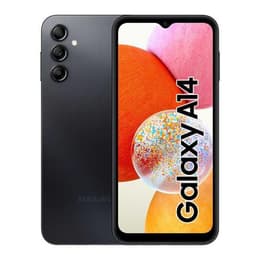
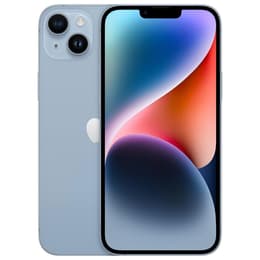
Galaxy A14 5G Vs iPhone 14 Plus
- 1-year minimum warranty
- Free delivery on all items
- Free 30-day returns
Differences at a glance
The Samsung Galaxy A14 5G, released in January 2023, and the iPhone 14 Plus, launched in October 2022, represent distinct approaches to smartphone design and functionality. While both offer 5G connectivity and large displays, they differ significantly in their operating systems, core performance, and camera capabilities. The Galaxy A14 5G runs on Android, providing a customizable experience, whereas the iPhone 14 Plus operates on Apple's iOS, known for its integrated ecosystem.
Available Models
Colour
Storage (GB)
Scores
Durability
The longevity of a smartphone is influenced by its release timeline, software support, and ease of repair. These two devices offer different expectations in terms of their practical lifespan and ongoing usability.
- Release Timeline: The iPhone 14 Plus was released in October 2022, preceding the Samsung Galaxy A14 5G, which launched in January 2023. This means the iPhone 14 Plus has been on the market slightly longer.
- Software Support: Apple typically provides major iOS updates for 5-7 years and security updates for 7-8 years, with the iPhone 14 Plus expected to run iOS 26 and receive security patches for an extended period. The Galaxy A14 5G launched with Android 13 and is expected to receive two major OS updates (up to Android 15) and four years of security updates, potentially longer for security patches as Samsung has extended support for some devices.
- Repairability: The Galaxy A14 5G has been noted for its relatively high repairability, with a score of 8/10, partly due to easier access to internal components and battery pull tabs. In contrast, the iPhone 14 Plus, despite an initial positive assessment for easier back glass replacement, saw its repairability score downgraded to 4/10 due to software authorization requirements for parts.
Year of Release
2023
2022
Compatible with latest Update
Yes
Yes
OS
Android
iOS
Foldable
No
No
Performance
Performance is a key differentiator, impacting how smoothly applications run, how quickly tasks are completed, and the overall responsiveness of the device.
- Processor Capabilities: The iPhone 14 Plus is equipped with a powerful processor that handles demanding applications and multitasking with notable fluidity. The Galaxy A14 5G's processor is suitable for everyday tasks like web browsing and video streaming, though some users have noted occasional slowdowns with more intensive use.
- Multitasking and Storage: The iPhone 14 Plus features 6GB of RAM, contributing to smooth transitions between multiple open applications. Both devices offer various internal storage options, with the Galaxy A14 5G also providing expandable storage via a microSDXC card, a feature not present on the iPhone 14 Plus.
- Battery Behavior: The iPhone 14 Plus is recognized for its exceptional battery life, often providing two days or more of usage for moderate users. The Galaxy A14 5G also offers very good battery performance, with its large capacity often allowing for extended use between charges.
Screen quality
The display is the primary interface for interacting with a smartphone, and differences in technology, resolution, and refresh rate can significantly affect the viewing experience.
- Display Technology and Clarity: The iPhone 14 Plus features a 6.7-inch Super Retina XDR OLED display, offering deep blacks, vibrant colors, and high contrast. The Galaxy A14 5G has a 6.6-inch PLS LCD display with a Full HD+ resolution, providing decent sharpness and clarity for its category.
- Refresh Rate: The Galaxy A14 5G offers a 90Hz refresh rate, which contributes to smoother scrolling and a more responsive feel compared to a standard 60Hz panel. The iPhone 14 Plus maintains a 60Hz refresh rate.
- Brightness: The iPhone 14 Plus can reach a typical brightness of 800 nits and a peak brightness of 1200 nits for HDR content, making it highly visible in various lighting conditions. The Galaxy A14 5G's display has a lower peak brightness, which can make it more challenging to view under direct sunlight.
Resolution
1080 x 2408
1284 x 2778
Screen type
PLS LCD
Super Retina XDR OLED
Audiovisual
The camera systems on both devices cater to different photography needs, with variations in sensor capabilities, features, and overall image processing.
- Rear Camera System: The iPhone 14 Plus features a dual 12MP camera system, including a main camera with sensor-shift optical image stabilization (OIS) and an ultra-wide lens. The Galaxy A14 5G comes with a triple camera setup, featuring a 50MP main sensor, a 2MP macro lens, and a 2MP depth sensor, but lacks OIS.
- Photography Performance: The iPhone 14 Plus delivers reliable and consistent photo quality, particularly in good lighting, with strong computational photography features like Photonic Engine and Smart HDR. The Galaxy A14 5G's 50MP main camera performs well in ample light, capturing good detail, but its performance can decline in low-light conditions or with fast-moving subjects.
- Video Recording: The iPhone 14 Plus supports 4K Dolby Vision video recording at up to 60 frames per second, along with Cinematic mode and Action mode for enhanced video capabilities. The Galaxy A14 5G records video at 1080p at 30 frames per second.
Main camera
50 megapixels
12 megapixels
Front camera
13 megapixels
12 megapixels
Miscellaneous
Beyond the core specifications, several practical elements contribute to the overall user experience, from connectivity to physical design.
- Connectivity and Ports: Both devices support 5G connectivity. The iPhone 14 Plus uses a Lightning port for charging and data transfer, while the Galaxy A14 5G features a USB-C port. The Galaxy A14 5G also retains a 3.5mm headphone jack, which is absent on the iPhone 14 Plus.
- Biometric Security: The iPhone 14 Plus relies on Face ID for secure authentication. The Galaxy A14 5G incorporates a side-mounted fingerprint sensor.
- Build Materials and Durability: The iPhone 14 Plus features a Ceramic Shield front cover, a glass back, and an aluminum design, offering IP68 water and dust resistance. The Galaxy A14 5G has a plastic back and is not officially rated for dust or water protection.
Weight
201 g
203 g
Screen size (in)
6.6
6.7
Mobile network
5G
5G
SIM card
Dual Physical SIM
Physical SIM + eSIM
Carrier compatibility
Unlocked
Unlocked
Connector
USB-C + Jack 3.5mm
Lightning
What the community thinks
Users frequently praise the iPhone 14 Plus for its exceptional battery life, often citing its ability to last for extended periods on a single charge. Its camera system is also consistently highlighted for producing high-quality photos and videos, particularly its advanced video features. Some common criticisms include its 60Hz display, which some users find less fluid compared to higher refresh rate screens on other devices, and the continued use of the Lightning port.
The Samsung Galaxy A14 5G is often commended for its large, clear display with a 90Hz refresh rate, offering a smooth visual experience for its category. Its long-lasting battery is another frequent point of praise, providing reliable power for daily use. However, some users have expressed concerns about its performance, noting occasional lags with demanding applications, and its camera system's limitations in challenging lighting conditions.
Users prioritizing a highly integrated ecosystem, robust video capabilities, and industry-leading battery endurance may find the iPhone 14 Plus well-suited to their needs. Those who value a smoother display refresh rate, expandable storage, and the flexibility of the Android operating system might lean towards the Galaxy A14 5G. Both devices offer compelling features for different user profiles, and considering a quality-assured refurbished option can be an eco-friendly alternative for either model.