
Compare models
Dell Latitude 5490 14" Vs Dell Latitude 7400 14"
- 1-year minimum warranty
- Free delivery on all items
- Free 30-day returns
Differences at a glance
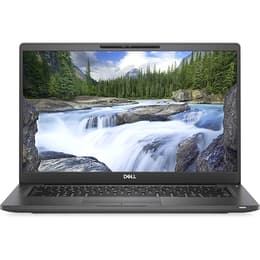
The Dell Latitude 5490 (2018) and Dell Latitude 7400 (2019) are 14-inch business laptops built to handle daily professional tasks under the Windows operating system. While the Latitude 5490 serves as a reliable workhorse focused on core utility, the Latitude 7400 introduces a sleeker chassis design, enhanced mobility features, and slightly refined internal components.
Available Models
Storage
Processor
Memory
Scores
Durability
Both business laptops are engineered for structural longevity, though their release timelines and design structures offer distinct paths for long-term usage.
- Release Timeline and Software Support: The Latitude 7400 arrived a year later than the Latitude 5490, giving it a slightly extended window for firmware updates and software longevity. Both models fully support modern Windows environments.
- Repairability and Maintenance: The Latitude 5490 features a modular build that allows straightforward access to internal components for component swaps, whereas the Latitude 7400 prioritizes a slim form factor while maintaining decent serviceability for essential parts like batteries and storage drives.
- Expected Lifespan: Both machines are robust enough for multi-year deployment, making a quality-assured refurbished option a sustainable choice for users seeking durable hardware.
Year of Release
2017
2019
Last Os Compatibility
Yes
Yes
OS
Windows 11
Windows 11
Performance
Performance across both devices is tailored for productivity, multitasking, and office applications, relying on capable multi-core processing foundations.
- Processor Capabilities: Both laptops handle everyday web browsing, document editing, and collaborative applications smoothly, though the slightly newer hardware generation in the Latitude 7400 yields marginal efficiency gains during heavy multitasking.
- Memory and Storage: Configurations vary widely for both models, supporting generous solid-state storage options and multitasking memory limits that prevent slowdowns when numerous browser tabs and productivity suites run concurrently.
- Battery Behavior: The Latitude 7400 often features power-optimised components that stretch battery endurance during mobile work sessions, whereas the Latitude 5490 relies on a slightly heavier cell configuration to sustain a standard workday.
Graphic card
Integrated Graphics
Integrated Graphics
Screen quality
Display configurations define how each device handles daily viewing, office work, and media consumption in varying environments.
- Display Technology: Both models utilize 14-inch panels with crisp resolutions suitable for text-heavy work, though specific configurations dictate whether an individual unit features standard anti-glare coating or touch capabilities.
- Brightness and Outdoor Use: The Latitude 7400 frequently offers higher panel brightness levels that make outdoor or bright office viewing more comfortable compared to the baseline display options found on some Latitude 5490 units.
- Visual Clarity: Wide viewing angles on both laptops ensure that text remains legible and colors stay consistent during collaborative reviews or presentations.
Resolution
1920 x 1080
1920 x 1080
Screen type
IPS
LED
Camera
Audiovisual
Multimedia capabilities on these enterprise laptops focus primarily on virtual communication and everyday audio-visual utility rather than media creation.
- Webcam and Conferencing: Both laptops feature standard web-facing cameras and integrated microphone arrays adequate for daily video calls, meetings, and remote communication.
- Speaker Output: Built-in stereo speakers deliver clear voice audio suitable for conference calls and casual video playback, though external headphones or speakers are better suited for immersive listening.
- Media Consumption: The combination of clear 14-inch screens and balanced audio output makes both devices well-equipped for training videos, webinars, and everyday media tasks.
Miscellaneous
Physical design choices, port selections, and connectivity features create distinct handling characteristics for mobile workers.
- Port Selection: Both laptops provide robust connectivity, including standard USB ports and video outputs, while the Latitude 7400 integrates modern high-speed connection ports for advanced docking solutions.
- Weight and Dimensions: The Latitude 7400 utilizes premium chassis materials to achieve a lighter and thinner footprint, whereas the Latitude 5490 adopts a slightly chunkier, rugged profile.
- Security Sensors: Enterprise security features like smart card readers, fingerprint options, and facial recognition vary by configuration, allowing buyers to match security needs to specific hardware builds.
Weight
1600 g
7500 g
Screen size
14
14
What the community thinks
User discussions across community forums highlight the Dell Latitude 5490 for its reliable physical port selection, straightforward component accessibility, and dependable everyday office performance. At the same time, owners of the Dell Latitude 7400 frequently praise its lighter travel footprint, refined chassis design, and modern aesthetic.
Users prioritizing a sturdy, easily maintainable workhorse for stationary office environments may prefer the Latitude 5490. Conversely, users prioritizing portability, a lighter travel weight, and a streamlined frame will lean toward the Latitude 7400. Reviewing a quality-assured refurbished option provides an eco-friendly alternative for acquiring either model without compromising on performance standards. Selecting the ideal device depends entirely on whether daily routines demand maximum physical resilience or enhanced mobile convenience.