
Dell Latitude 5410 14" Vs Dell Latitude 7400 14"

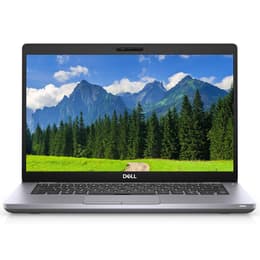
Dell Latitude 5410 14"
Starting at

Refurbished price:£163.00

Versus £397.19 new

See options
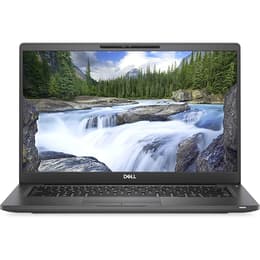
Dell Latitude 7400 14"
Starting at

Refurbished price:£150.00

Versus £699.00 new

See options

Ratings

The Dell Latitude 5410 and Dell Latitude 7400 are 14-inch business-oriented laptops designed for productivity and reliability. The Latitude 7400 was released in early 2019, while the Latitude 5410 followed in late 2020. Both models run on the Windows operating system and offer a range of configurations tailored for professional use, but they differ in their internal components and some design aspects.

Scores

Durability

Both the Dell Latitude 5410 and 7400 are built with business-grade durability in mind, influencing their practical lifespan and ongoing support.

  • Release Timeline: The Latitude 7400, launched in 2019, is an older model compared to the Latitude 5410, which was released in 2020. This difference in release year means the 5410 generally benefits from a slightly longer period of software support and component relevance. [3, 5, 7]
  • OS Support: As of early 2026, both devices continue to receive Windows updates. However, the newer 5410 is likely to receive major operating system updates for a longer duration than the 7400, extending its functional life.
  • Repairability: Both models are noted for their user-friendly repair and upgrade options. The Latitude 5410 features an easy-access bottom panel, standardized screws, and a clear component layout, making DIY repairs and upgrades straightforward. Similarly, the Latitude 7400 is designed for easy disassembly, with captive screws on the bottom panel for convenient access to internal components like the battery, RAM, and SSD. [9, 14, 16, 19, 21, 22]

Year of Release

2019

2019

Last Os Compatibility

Yes

Yes

OS

Windows 11

Windows 11

Performance

The performance of these laptops is primarily driven by their internal processing capabilities and memory configurations, impacting daily responsiveness and multitasking efficiency.

  • Processor Capabilities: The Latitude 5410 typically features 10th-generation Intel Core processors, offering a generational improvement over the 8th-generation Intel Core processors found in the Latitude 7400. This translates to slightly better efficiency and performance for demanding applications and general computing tasks on the 5410. [1, 5, 6, 8, 17, 18]
  • Multitasking and Responsiveness: The Latitude 5410 supports up to 64GB of DDR4 RAM across two SODIMM slots, providing substantial headroom for heavy multitasking and running numerous applications simultaneously. The Latitude 7400, while also featuring two SODIMM slots, typically supports up to 32GB of DDR4 RAM. Both models utilize NVMe PCIe SSDs for storage, ensuring quick boot times and rapid application loading. [6, 9, 10, 17, 18]
  • Battery Behavior: Both laptops offer strong battery life suitable for extended work sessions. The Latitude 5410 can be configured with a 68 Whr battery, which has been noted to provide excellent endurance, with some tests showing up to 15 hours of use in Wi-Fi browsing scenarios. The Latitude 7400, with its 60 Whr battery option, also delivers impressive longevity, often exceeding 13 hours on a single charge. [6, 7, 10, 14, 17, 20, 28]

Memory (GB)

8 GB

8 GB

Processor

Core i5 - Gen 10 (U)

Core i5 - Gen 8 (U)

Graphic card

Integrated Graphics

Integrated Graphics

Screen quality

Both laptops offer 14-inch displays, but there are distinctions in their panel technologies and features that affect the visual experience.

  • Display Technology and Resolution: Both the Latitude 5410 and 7400 commonly feature 14-inch Full HD (1920x1080) anti-glare IPS displays, providing clear visuals suitable for productivity. The Latitude 7400 also had optional 4K resolution for its 2-in-1 variants. [3, 5, 11, 17, 18, 25, 26]
  • Brightness and Clarity: The Latitude 5410 offers display options with up to 300 nits of brightness, including low-power and privacy screen variants. The Latitude 7400 also provides 300-nit panels, with some configurations including Dell's SafeScreen privacy feature. While both offer good clarity, some reviews for the 7400 noted that its standard display brightness could be improved. [3, 11, 17, 18, 25, 26]
  • Touch and Refresh Rate: Both models offer touch-enabled display options. The standard refresh rate for both is 60Hz, which is typical for business laptops and provides a smooth experience for general use. [5, 17, 18, 26]

Audiovisual

The audio and visual components of these laptops are designed to support professional communication and media consumption.

  • Camera System: The Latitude 5410 typically includes a 720p IR HD webcam, often with a privacy shutter, suitable for video conferencing. The Latitude 7400 also features a webcam, with some configurations offering an IR camera for facial recognition. [5, 24, 25, 26]
  • Microphone Quality: Both laptops integrate internal microphones designed for clear voice capture during calls and virtual meetings.
  • Speaker Output: Both models are equipped with integrated speakers. The Latitude 5410 features dual 2W speakers. User feedback for the Latitude 7400 indicates that its speakers provide acceptable sound quality, with crisp and clear high tones, though some found them to be less robust than desired. [9, 25]

Miscellaneous

Beyond core performance, several practical elements contribute to the overall user experience and versatility of these business laptops.

  • Connectivity Options: The Latitude 5410 generally offers more modern wireless connectivity, including Wi-Fi 6 (802.11ax) and Bluetooth 5.1. The Latitude 7400 primarily features Wi-Fi 5 (802.11ac) and Bluetooth 5.0, though some configurations could include Wi-Fi 6. Both include RJ45 Ethernet ports for wired network connections and optional LTE mobile broadband. [5, 11, 17, 18, 25]
  • Port Types: Both laptops provide a comprehensive selection of ports. The Latitude 5410 includes three USB 3.2 Gen 1 Type-A ports and one USB 3.2 Gen 2 Type-C port with DisplayPort Alt Mode, Power Delivery, and optional Thunderbolt 3 support. The Latitude 7400 offers two USB 3.1 Gen 1 Type-A ports and one USB Type-C 3.1 Gen 2 port with Thunderbolt 3 and Power Delivery. Both have HDMI 1.4a/b, universal audio jacks, and MicroSD card readers. [3, 5, 17, 18, 24, 25, 26]
  • Weight and Dimensions: The Latitude 7400 is generally slightly lighter and more compact, with a starting weight around 1.35 kg. The Latitude 5410 starts at approximately 1.47 kg. Both are designed for portability within a professional environment. [5, 6, 7, 17, 18, 26]
  • Build Materials: The Latitude 7400 often features a machined aluminum chassis, giving it a robust and premium feel, with some configurations offering carbon fiber. The Latitude 5410 primarily uses plastic reinforced with carbon fiber and magnesium. [3, 5, 7, 9]

Weight

3000 g

1630 g

Screen size

14

14

The Dell Latitude 5410 and 7400 both serve as reliable business laptops, each with distinct advantages. Users frequently praise the Latitude 7400 for its robust aluminum build and excellent battery life, often reporting over 13 hours of use. Its compact design for a 14-inch laptop is also a common positive. Some criticisms for the 7400 include its display sometimes lacking brightness and its speakers occasionally sounding thin. [6, 7, 9, 11, 13]

The Latitude 5410 is often lauded for its strong performance, benefiting from newer 10th-generation processors and the ability to support up to 64GB of RAM, making it well-suited for intensive multitasking. Its exceptional battery life, particularly with the 68 Whr option, is also a significant highlight, with users reporting long hours of productivity. The 5410's repairability and upgrade options are also frequently mentioned as positive aspects. [10, 16, 18, 21]

Users prioritizing a slightly more premium build and a compact form factor might lean towards the Latitude 7400. Its established reputation for durability and long battery life makes it a solid choice for professionals on the go. Conversely, users who require more processing power for demanding applications, greater RAM capacity for extensive multitasking, and the latest wireless connectivity standards like Wi-Fi 6 may find the Latitude 5410 better suited to their needs. Both devices offer strong repairability, allowing for extended use through upgrades and maintenance.

For those considering these models, opting for a quality-assured refurbished option can be an eco-friendly alternative, providing access to these capable business machines while supporting sustainable consumption.

See all articles

Our recent comparisons