Compare models
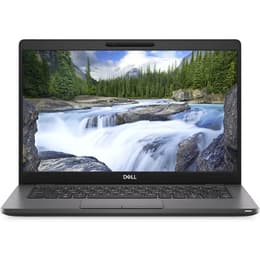
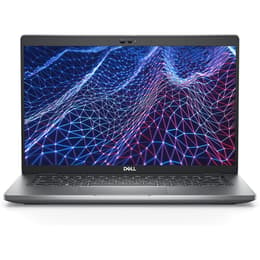
Dell Latitude 5300 13" Vs Dell Latitude 5430 14"
- 1-year minimum warranty
- Free delivery on all items
- Free 30-day returns
Differences at a glance
The Dell Latitude 5300 (2019) and the Dell Latitude 5430 (2022) are business-class laptops designed for professional productivity, education, and portable daily computing. While both run on Windows operating systems and share the durable, utilitarian aesthetic characteristic of the Latitude series, they represent different hardware generations. The primary differences lie in screen size, physical dimensions, and generational internal processing power.
Available Models
Storage
Processor
Memory
Scores
Durability
When evaluating hardware longevity, the release timeline and ongoing software support play vital roles in determining how long each laptop remains relevant for daily tasks.
- Release timeline: The Latitude 5430 benefits from a newer release date, offering a more extended window for official driver support and firmware updates compared to the older Latitude 5300.
- Repairability: Both models feature modular internal components with accessible memory slots, making replacement parts straightforward to source through quality-assured refurbished options.
- Expected lifespan: The newer internal architecture of the Latitude 5430 ensures it stays current with modern operating system requirements for a longer duration.
Year of Release
2019
2022
Last Os Compatibility
Yes
Yes
OS
Windows 11
Windows 11
Performance
System responsiveness and everyday multitasking capabilities differ significantly due to the generational gap in processing technology between these two business laptops.
- Multitasking and app loading: The Latitude 5430 handles demanding office applications, browser tabs, and background sync tools with smoother overall system responsiveness thanks to its newer-generation processor options.
- Storage and memory: Both models support flexible solid-state drive configurations and expandable random access memory, allowing users to configure storage capacity according to their project needs.
- Battery behavior: The Latitude 5430 generally provides longer untethered runtime during typical office tasks, while the Latitude 5300 may require more frequent charging during heavier workloads.
Graphic card
Integrated Graphics
Integrated Graphics
Screen quality
Display dimensions and panel clarity vary between the two models, directly impacting workspace layout and visual comfort during extended tasks.
- Screen size and workspace: The Latitude 5430 offers a 14-inch display providing slightly more screen real estate, whereas the Latitude 5300 features a more compact 13.3-inch panel for maximum portability.
- Panel technology: Both options include clear anti-glare configurations, though higher-tier display options on the newer model provide improved color accuracy and higher brightness levels.
- Outdoor visibility: Increased peak brightness on select configurations of the newer Latitude 5430 makes viewing content under bright office lights or near windows more comfortable.
Resolution
1920 x 1080
1920 x 1080
Screen type
LED
IPS
Camera
Audiovisual
Audio-visual communication tools and multimedia features reflect the hardware standards of their respective release years.
- Webcam clarity: The Latitude 5430 typically includes an improved high-definition webcam sensor, offering clearer video quality for virtual meetings and remote collaboration.
- Audio output: Integrated stereo speakers on both devices deliver adequate sound for conference calls and casual media consumption, though external headphones remain recommended for music.
- Microphone performance: Dual-array microphones on both laptops effectively capture speech during calls while filtering out minor background noise.
Miscellaneous
Physical design, port selections, and connectivity standards dictate how easily each laptop integrates into existing workspace setups.
- Port variety: Both models feature reliable selections of traditional USB ports, HDMI outputs, and modern connector slots, though the Latitude 5430 incorporates updated USB-C connectivity standards.
- Physical footprint: The Latitude 5300 is slightly lighter and smaller, suiting frequent travelers, while the Latitude 5430 balances a slightly larger chassis with comfortable keyboard spacing.
- Wireless standards: The newer model benefits from advanced wireless card compatibility, ensuring stable connections on modern networks.
Weight
1400 g
1360 g
Screen size
13
14
What the community thinks
User feedback from online communities highlights distinct preferences for each of these business laptops. Owners of the Dell Latitude 5300 frequently praise its sturdy physical construction, reliable keyboard, and compact footprint that travels easily. Conversely, users of the Dell Latitude 5430 often highlight its improved multitasking efficiency, more vibrant screen choices, and better battery longevity during long work sessions as key advantages.
Users prioritizing maximum portability and a smaller desk footprint may find the Dell Latitude 5300 well-suited to their daily routine. Meanwhile, users prioritizing stronger multitasking performance, a slightly larger workspace, and extended software support may lean toward the Dell Latitude 5430. Selecting either model as an eco-friendly, quality-assured refurbished option provides a reliable, sustainable choice for professional and student workloads alike without relying on brand-new manufacturing resources.