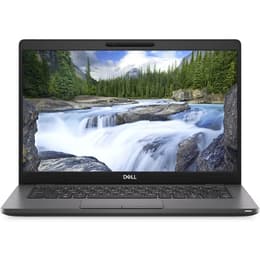
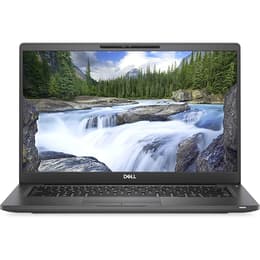
Dell Latitude 5300 13" Vs Dell Latitude 7400 14"

Dell Latitude 5300 13"
Starting at

Refurbished price:£153.00

Versus £1,489.00 new

See options
Dell Latitude 7400 14"
Starting at

Refurbished price:£154.00

Versus £699.00 new

See options

Ratings

The Dell Latitude 5300 13 and the Dell Latitude 7400 14 are business-oriented laptops released around 2019, designed for professionals seeking reliability and productivity. While both offer robust performance and security features, they differ primarily in their form factor, display size, and subtle design choices that cater to varying user preferences for portability and screen real estate. Both devices run on the Windows operating system, providing a familiar and consistent user experience.

Scores

Durability

Both the Dell Latitude 5300 13 and the Dell Latitude 7400 14 were introduced around 2019, placing them in a similar generation of business laptops. Dell typically provides several years of driver and firmware support for its Latitude series, generally extending for 5-7 years from the release date, ensuring continued software compatibility and security updates for both models.

  • Software Longevity: Both laptops are designed to receive ongoing Windows updates and security patches for a comparable duration, offering a practical lifespan suitable for sustained professional use.
  • Repairability: Dell's Latitude series is known for its repair-friendly design. Both the Latitude 5300 and 7400 allow for user-accessible upgrades and component replacements, such as RAM and SSD, which can extend their functional life.
  • Build Durability: The Latitude 5300 features a carbon fiber construction, contributing to its sturdy yet lightweight profile, while the Latitude 7400 utilizes a machined aluminum chassis for its main body and lid, both offering robust protection against daily wear and tear.

Year of Release

2019

2019

Last Os Compatibility

Yes

Yes

OS

Windows 11

Windows 11

Performance

Both the Dell Latitude 5300 13 and the Dell Latitude 7400 14 are equipped with capable internal components designed for business productivity, offering smooth operation for everyday tasks and multitasking.

  • Processing Power: These laptops feature current-generation processors from their release era, enabling them to handle demanding applications and multiple tasks efficiently. Users can expect responsive performance for office suites, web browsing, and light content creation.
  • Memory and Storage: Both models support up to 32GB of system memory, allowing for robust multitasking without significant slowdowns. They also utilize fast solid-state drives for quick boot times and rapid application loading, with storage options extending up to 1TB.
  • Battery Behavior: The Latitude 5300 13, with its 60Wh battery, can provide up to 14-15 hours of web browsing or 16 hours of video playback in typical usage scenarios. The Latitude 7400 14, available with 52Wh or 60Wh batteries (and a 78Wh option for the 2-in-1 variant), offers excellent battery longevity, often reaching 10-12 hours in real-world use and up to 15-18 hours in some configurations.

Memory (GB)

8 GB

8 GB

Processor

Core i5 - Gen 8 (U)

Core i5 - Gen 8 (U)

Graphic card

Integrated Graphics

Integrated Graphics

Screen quality

The visual experience on both Latitude models is designed for clarity and comfort during extended work sessions, though there are differences in size and specific features.

  • Display Technology and Resolution: Both laptops feature Full HD (1920x1080) IPS displays, providing wide viewing angles and clear images. The Latitude 5300 has a 13.3-inch screen, while the Latitude 7400 offers a slightly larger 14-inch display, which can enhance productivity by providing more screen real estate.
  • Brightness and Clarity: The Latitude 5300 typically offers up to 300 nits of brightness, suitable for indoor and some outdoor use. The Latitude 7400 also commonly features 300 nits brightness, with some configurations reaching 342 nits, and includes options like a privacy screen to limit viewing angles.
  • Touch and Anti-Glare Options: Both models offer optional touchscreens, providing flexibility for interaction. Many configurations also include anti-glare finishes, which help reduce reflections in brightly lit environments, improving visibility and reducing eye strain.

Resolution

1920 x 1080

1920 x 1080

Screen type

IPS

IPS

Camera

Audiovisual

For communication and media consumption, both Dell Latitude laptops provide essential audio and visual capabilities suitable for professional environments.

  • Camera System: Both the Latitude 5300 13 and Latitude 7400 14 are equipped with a 720p HD webcam, suitable for video conferencing and online meetings. Some user feedback for the 5300 suggests its webcam quality can be average or grainy, while the 7400's camera is generally considered functional for its purpose.
  • Microphone Quality: Both devices include integrated microphones designed for clear voice capture during calls and recordings.
  • Speaker Output: The speakers on both models are generally adequate for business use, such as conference calls and casual media playback. However, like many business laptops, they may not offer extensive bass or high-fidelity audio for immersive entertainment.

Miscellaneous

Beyond core performance, several practical features differentiate the user experience of these two Dell Latitude laptops.

  • Connectivity Options: Both laptops offer modern connectivity, including Wi-Fi 5 (802.11ac) or optional Wi-Fi 6 (802.11ax) and Bluetooth 5.0. They also provide optional 4G LTE mobile broadband for connectivity on the go.
  • Port Selection: The Latitude 5300 includes two USB 3.1 Gen 1 Type-A ports, one USB 3.1 Gen 2 Type-C port (with Power Delivery and DisplayPort, optional Thunderbolt 3), HDMI 1.4b, Gigabit Ethernet, and a microSD card reader. The Latitude 7400 features one USB Type-C 3.1 Gen 2 port (with Thunderbolt 3 and Power Delivery), two USB Type-A 3.1 Gen 1 ports, HDMI 1.4a, and a microSD 4.0 card reader.
  • Security and Handling: Both models offer security features like optional fingerprint readers (often integrated into the power button) and optional IR cameras for facial recognition (Windows Hello compatible). The Latitude 5300 is lighter, starting at approximately 1.24 kg (2.73 lbs), making it highly portable, while the 14-inch Latitude 7400 weighs around 1.35 kg (3 lbs) to 1.535 kg (3.38 lbs), offering a balance of screen size and portability.

Weight

1370 g

1630 g

Screen size

13

14

The Dell Latitude 5300 13 and Dell Latitude 7400 14 both stand out as reliable business laptops from their release period, each with distinct advantages. Users frequently praise the Latitude 7400 for its excellent battery life, robust build quality, and comfortable keyboard, making it a strong contender for extended work sessions and travel. Some common criticisms for the 7400 include its display brightness potentially being lower than some competitors and occasional fan noise.

The Latitude 5300 is often lauded for its compact and lightweight design, making it highly portable, alongside its good keyboard and user-upgradeable components. However, its webcam quality has sometimes been noted as subpar, and some users might find its smaller screen less ideal for intensive multitasking.

Users prioritizing maximum portability and a smaller footprint for frequent travel or tight workspaces may prefer the Dell Latitude 5300 13. Its lighter weight and compact design make it easy to carry. Conversely, users who value a slightly larger screen for enhanced productivity, potentially longer battery life in certain configurations, and a premium aluminum build might lean towards the Dell Latitude 7400 14. Both devices offer solid performance for business applications and can be excellent quality-assured refurbished options, providing a sustainable choice for those seeking dependable technology.

See all articles

Our recent comparisons