iPhone 12 mini Vs iPhone 14

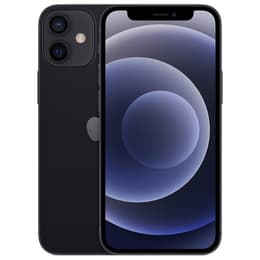
iPhone 12 mini
iPhone 12 mini
Starting at

Refurbished price:£128.00

Versus £579.00 new

See options
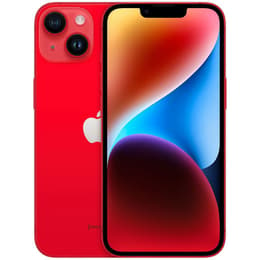
iPhone 14
iPhone 14
Starting at

Refurbished price:£222.00

Versus £599.00 new

See options

Ratings

The iPhone 12 Mini, launched in 2020, and the iPhone 14, released in 2022, represent two distinct approaches to the modern smartphone experience. While the iPhone 12 Mini was designed for users seeking a compact, pocket-friendly device without sacrificing flagship features, the iPhone 14 serves as a more traditional, larger-screened successor that focuses on refined internals and improved safety capabilities. Both devices operate on Apple’s iOS ecosystem, ensuring a consistent software experience across both generations.

Scores

Durability

When considering the long-term use of these devices, the two-year gap between their release dates plays a significant role in their expected software support and physical longevity.

  • Software Longevity: The iPhone 14, being the newer model, is expected to receive iOS updates and security patches for approximately two years longer than the iPhone 12 Mini. This makes it a more suitable option for users who plan to keep their device for five years or more.
  • Physical Resilience: Both phones feature a Ceramic Shield front and aerospace-grade aluminium edges, providing similar levels of resistance to drops and scratches. However, the iPhone 14 includes internal design changes that make it slightly easier to repair, particularly regarding the back glass, which can be replaced more efficiently than on the older model.
  • Practical Lifespan: While the iPhone 12 Mini remains a capable device, its smaller battery may show signs of wear sooner than the larger unit in the iPhone 14, potentially requiring a battery service earlier in its lifecycle to maintain peak performance.

Year of Release

2020

2022

Compatible with latest Update

Yes

Yes

OS

iOS

iOS

Foldable

No

No

Performance

The performance difference between these two models is most noticeable during intensive multitasking and when running demanding applications over extended periods.

  • System Responsiveness: The iPhone 14 handles high-end mobile gaming and video editing with greater ease due to its updated internal architecture. Users will notice that apps stay open in the background longer without needing to reload, thanks to the increased memory capacity compared to the iPhone 12 Mini.
  • Battery Endurance: There is a significant difference in how these devices handle a full day of use. The iPhone 12 Mini is designed for lighter users who prioritise portability, whereas the iPhone 14 offers a much larger battery capacity that comfortably supports heavy social media use, navigation, and streaming from morning until night.
  • Storage Flexibility: While both start with standard storage amounts, the iPhone 14 offers a higher maximum capacity, which is beneficial for users who record a lot of high-resolution video or prefer to keep their entire photo library stored locally on the device.

Memory

4 GB

6 GB

Screen quality

The viewing experience is perhaps the most immediate differentiator between these two smartphones, dictated primarily by their physical dimensions and display technology refinements.

  • Display Dimensions: The iPhone 12 Mini features a 5.4-inch display, making it one of the smallest modern smartphones available. In contrast, the iPhone 14 provides a 6.1-inch screen, which offers more room for reading text, watching videos, and playing games without feeling cramped.
  • Visual Clarity and Brightness: Both devices utilise OLED technology, which provides deep blacks and high contrast for a vibrant viewing experience. However, the iPhone 14 features a higher peak brightness, making the screen significantly easier to read when used outdoors under direct sunlight or in very bright environments.
  • Smoothness of Interaction: While both screens share the same standard refresh rate, the larger canvas of the iPhone 14 makes gestures and scrolling feel more expansive. The resolution on both is high enough that individual pixels are indistinguishable to the human eye, ensuring sharp text and clear images on both models.

Resolution

1080 x 2340

1170 x 2532

Screen type

Super Retina XDR OLED

Super Retina XDR OLED

Audiovisual

For photography and media consumption, the iPhone 14 introduces several hardware and software enhancements that build upon the foundation laid by the iPhone 12 Mini.

  • Camera Performance: Both phones use a dual-camera system with main and ultra-wide lenses. The iPhone 14, however, features a larger main sensor that captures more light, resulting in clearer photos with less grain when shooting in dim environments or at night.
  • Video Capabilities: The iPhone 14 introduces advanced stabilisation features that make handheld video look much smoother, almost as if a gimbal were being used. It also supports a cinematic mode that adds a shallow depth-of-field effect to videos, a feature not present on the older iPhone 12 Mini.
  • Audio and Microphones: Due to its larger physical footprint, the iPhone 14 houses slightly larger speakers that produce a fuller sound with more noticeable bass. Both devices feature high-quality microphone arrays that do an excellent job of isolating the user's voice during calls and reducing background noise.

Main camera

12 megapixels

12 megapixels

Front camera

12 megapixels

12 megapixels

Miscellaneous

Beyond the core specifications, several practical features and physical attributes distinguish these two generations of hardware.

  • Safety and Sensors: The iPhone 14 introduces advanced safety features, including crash detection and emergency SOS via satellite, which are not available on the iPhone 12 Mini. Both devices use secure facial recognition for unlocking and authenticating payments.
  • Portability and Handling: The iPhone 12 Mini is exceptionally light and easy to use with one hand, fitting comfortably into small pockets. The iPhone 14 is heavier and wider, which may require two-handed use for some tasks but feels more substantial and sturdy in the hand.
  • Connectivity: Both models support 5G cellular networks for fast data speeds and use the Lightning port for charging and data transfer. They also both support MagSafe accessories, allowing for easy attachment of magnetic chargers, wallets, and other peripherals to the back of the phone.

Weight

135 g

172 g

Screen size (in)

5.4

6.1

Network

5G

5G

SIM card

Physical SIM + eSIM

Physical SIM + eSIM

Carrier compatibility

Unlocked

Unlocked

Connector

Lightning

Lightning

In summary, the choice between the iPhone 12 Mini and the iPhone 14 often comes down to a preference for size versus modern endurance. User feedback on the iPhone 12 Mini frequently highlights its unique "one-handed" usability, with many fans praising it as the perfect size for a mobile device. However, a common observation among long-term users is that the battery requires more frequent charging, especially during busy days. On the other hand, the iPhone 14 is widely regarded as a reliable "workhorse" that excels in battery life and camera consistency, though some users note it feels very similar to previous standard-sized models.

Users who prioritise a lightweight, compact design and do not mind charging their phone more often will find the iPhone 12 Mini to be a highly capable companion. Choosing a quality-assured refurbished option like the iPhone 12 Mini is an excellent way to access this unique form factor while making a sustainable choice. Conversely, users who need a device that can last through a full day of heavy use, or those who frequently take photos in low light, will likely find the iPhone 14 better suited to their needs. Opting for a refurbished iPhone 14 provides a modern experience with the added benefit of being an eco-friendly alternative to buying new. Ultimately, both devices offer the high-quality build and smooth software experience expected from the brand, serving different lifestyles with equal reliability.

See all articles

Our recent comparisons