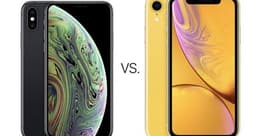
iPhone XR Vs iPhone XS

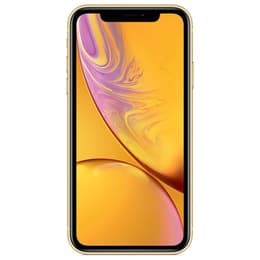
iPhone XR
iPhone XR
Starting at

Refurbished price:£95.00

Versus £399.00 new

See options
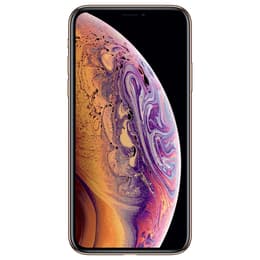
iPhone XS
iPhone XS
Starting at

Refurbished price:£102.00

Versus £399.00 new

See options

Ratings

The iPhone XR and iPhone XS, both released in 2018, represent two distinct approaches to the smartphone experience from that era. While they share the same internal architecture and run the same iOS software, they cater to different user priorities through their physical design and display technologies. The iPhone XR was designed as a versatile, colorful option with a larger footprint, whereas the iPhone XS served as the more compact, high-specification flagship of its generation. Both devices continue to offer a reliable experience for users who prefer a familiar interface and consistent software performance in a well-established ecosystem.

Scores

Durability

When evaluating the longevity of these two models, it is important to consider their shared release timeline and the materials used in their construction.

  • Software Support: Both devices have enjoyed a long history of software updates, typically receiving major iOS versions for six years. By 2026, these models have transitioned into a phase where they primarily receive essential security patches, ensuring they remain safe for daily use even if they no longer support the latest experimental features.
  • Build Materials: The iPhone XS features a stainless steel frame which provides significant structural rigidity and resistance to scratches, while the iPhone XR utilizes aerospace-grade aluminium. Both models use glass on the front and back, though the iPhone XS has a slightly higher rating for water and dust resistance, allowing it to withstand submersion in deeper water for longer periods compared to the iPhone XR.
  • Repairability: As mature models in the market, both devices benefit from a wide availability of replacement parts and a well-documented repair process. This makes them excellent candidates for a quality-assured refurbished option, extending their practical lifespan well beyond the typical upgrade cycle.

Year of Release

2018

2018

Compatible with latest Update

Yes

Yes

OS

iOS

iOS

Foldable

No

No

Performance

Despite sharing the same internal processing power, these two devices handle multitasking and demanding applications with slight variations due to their memory configurations.

  • System Responsiveness: For everyday tasks such as web browsing, social media, and email, both phones remain responsive and fluid. However, the iPhone XS includes additional temporary memory, which allows it to keep more applications open in the background without needing to refresh them when you switch back, a benefit for users who frequently jump between many different apps.
  • Battery Endurance: The iPhone XR is frequently noted for its endurance during a full day of use. Because its screen technology is less demanding on power and its physical size allows for a larger internal battery, it often lasts longer than the iPhone XS under similar conditions, such as continuous video playback or GPS navigation.
  • Storage Flexibility: Both models were released with various storage capacities to house photos, videos, and applications. While the iPhone XS offered a higher maximum storage tier at launch, both provide enough space for standard users to manage their digital lives without constant reliance on cloud services.

Memory

3 GB

4 GB

Screen quality

The most immediate difference between these two smartphones is found in the display technology, which affects everything from color reproduction to battery consumption.

  • Display Technology: The iPhone XS utilises an OLED panel, where each individual pixel produces its own light. This results in true black levels and a high contrast ratio that makes movies and photos appear more lifelike. In contrast, the iPhone XR uses a high-quality LCD, which requires a backlight; while colours are accurate and natural, blacks appear as a very dark grey in dim environments.
  • Clarity and Sharpness: The iPhone XS features a higher pixel density, providing a sharper image that is particularly noticeable when reading small text or viewing high-resolution images. The iPhone XR has a lower resolution that is comparable to older standard models, which is perfectly adequate for general viewing but lacks the fine detail found on its counterpart.
  • Viewing Experience: With a 6.1-inch screen, the iPhone XR offers more surface area for watching videos or playing games. The iPhone XS, at 5.8 inches, provides a more compact experience that is easier to navigate with one hand, while still offering vibrant colours and high brightness levels that remain visible even in direct sunlight.

Resolution

828 x 1792

1125 x 2436

Screen type

Liquid Retina IPS LCD

Super Retina OLED

Audiovisual

The camera systems on these devices represent the primary functional divide for users who enjoy mobile photography and video creation.

  • Camera Versatility: The iPhone XS is equipped with a dual-lens system, including a dedicated telephoto lens. This allows for a 2x optical zoom, which captures distant subjects with more detail than the digital zoom found on the iPhone XR. The second lens also assists in creating more accurate background blur in portrait photos, working effectively on both people and objects.
  • Single Lens Performance: The iPhone XR uses a single wide-angle lens that performs admirably in well-lit conditions. While it can still take portrait photos, it relies entirely on software to identify human faces, meaning it cannot apply the same depth effects to pets or still-life subjects. However, for standard snapshots, the image quality is virtually identical to the main lens of the XS.
  • Video and Audio: Both devices record high-quality 4K video with stereo sound, making them capable tools for capturing memories or social media content. The microphones are designed to reduce background noise during calls and recordings, ensuring clear audio across various environments.

Main camera

12 megapixels

12 megapixels

Front camera

7 megapixels

7 megapixels

Miscellaneous

Beyond the core specifications, the physical handling and connectivity features of these devices influence how they fit into a user's daily routine.

  • Dimensions and Weight: The iPhone XR is noticeably larger and heavier, which may appeal to those who prefer a substantial feel in the hand. The iPhone XS is lighter and slimmer, making it a preferred choice for users with smaller hands or those who carry their phone in tight pockets.
  • Biometric Security: Both models utilise facial recognition technology for secure unlocking and authentication. This system remains fast and reliable, providing a seamless way to access the device and authorise secure actions without needing a physical fingerprint sensor.
  • Connectivity: These smartphones support 4G LTE networks, providing consistent data speeds for streaming and downloading. They also include standard wireless features like Bluetooth for headphones and Wi-Fi for home networking. Both use a proprietary charging port that has been a standard for many years, ensuring compatibility with a wide range of existing accessories.

Weight

194 g

177 g

Screen size (in)

6.1

5.8

Network

4G

4G

SIM card

Physical SIM + eSIM

Physical SIM + eSIM

Carrier compatibility

Unlocked

Unlocked

Connector

Lightning

Lightning

In summary, the choice between the iPhone XR and the iPhone XS depends largely on whether a user prioritises screen size and battery life or display technology and camera versatility. Based on long-term user discussions on community forums, the iPhone XR is frequently praised for its exceptional battery reliability and its comfortable, larger screen size, which many find ideal for reading and casual browsing. However, some users point out that the thicker borders around the screen feel less modern compared to newer standards. On the other hand, the iPhone XS is often celebrated for its premium build quality and the stunning visual depth of its OLED display, though its battery life is a common point of criticism for those who use their phones heavily throughout the day.

Users who prioritise a compact design that is easy to use with one hand and who enjoy taking portrait photos of various subjects will likely find the iPhone XS to be the better fit for their needs. Conversely, users who spend a lot of time away from a charger and prefer a larger viewing area for media will likely lean toward the iPhone XR. Both devices remain capable options in 2026 for those seeking a straightforward smartphone experience. By choosing an eco-friendly alternative through a refurbished model, users can enjoy these classic designs with the confidence that they have been restored to full working order, providing a practical and responsible way to stay connected.
See all articles

Our recent comparisons