
iPhone 15 Vs Xiaomi Redmi Note 11 Pro 5G

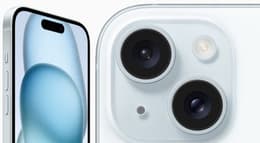
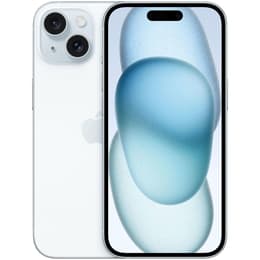
iPhone 15
iPhone 15
Starting at

Refurbished price:£326.00

Versus £699.00 new

See options
Xiaomi Redmi Note 11 Pro 5G
Starting at

Refurbished price:£102.00

Versus £599.00 new

See options

Ratings

The iPhone 15, released in late 2023, and the Xiaomi Redmi Note 11 Pro 5G, launched in early 2022, represent two distinct approaches to the modern smartphone experience. While the iPhone 15 operates on Apple's iOS ecosystem, the Redmi Note 11 Pro 5G utilizes the Android platform with Xiaomi's custom interface, offering a different set of features and user interactions. The primary differences between these two devices lie in their software longevity, display technology, and physical connectivity options, such as port types and expandable storage.

This comparison aims to provide a neutral overview of how each device performs in real-world scenarios, helping users decide which model aligns best with their daily habits. Whether you prioritise a compact design with long-term software support or a larger screen with versatile hardware features, understanding these practical trade-offs is essential for making an informed decision in 2026.

Scores

Durability

The gap in release dates between these two devices significantly influences their expected lifespan and the duration of software support they will receive from their respective manufacturers.

  • Software Support and Longevity: The iPhone 15, being a 2023 release, is expected to receive official iOS updates until approximately 2029 or 2030, ensuring access to the latest features and security patches for many years. In contrast, the Redmi Note 11 Pro 5G arrived in early 2022 and follows a shorter update cycle, meaning it may reach the end of its major operating system support much sooner than the iPhone.
  • Build Durability and Repair: The iPhone 15 features a design that has been updated to allow for easier internal access, which simplifies common repairs like battery or back glass replacements. The Redmi Note 11 Pro 5G uses a glass and plastic construction that is sturdy for daily use, and because it is a widely produced model, finding replacement parts for screen or port repairs is generally straightforward for independent technicians.

Year of Release

2023

2022

Compatible with latest Update

Yes

No

OS

iOS

Android

Foldable

No

No

Performance

While both devices handle standard tasks like web browsing and social media with ease, they offer different levels of responsiveness when it comes to demanding applications and multitasking.

  • System Responsiveness: The iPhone 15 is designed to handle intensive tasks such as high-definition video editing and complex mobile gaming without stuttering, maintaining a very smooth experience even as the device ages. The Redmi Note 11 Pro 5G provides reliable performance for everyday productivity, though users may notice slightly longer loading times when opening large apps or switching between many active tasks simultaneously.
  • Battery and Charging Habits: The Redmi Note 11 Pro 5G is equipped with technology that allows for rapid recharging, enabling the battery to go from empty to nearly full in a very short period. The iPhone 15 focuses on efficient power management to ensure the battery lasts through a full day of typical use, though its charging process is more gradual compared to the Xiaomi model.
  • Storage and Memory: Users who store large amounts of media will find the Redmi Note 11 Pro 5G versatile due to its inclusion of a microSD card slot for expandable storage. The iPhone 15 relies on fixed internal storage options, meaning users must decide on their capacity needs at the time of purchase.

Memory (GB)

6 GB

6 GB

Screen quality

The viewing experience differs between these two models based on their screen size, brightness capabilities, and how smoothly motion is rendered on the display.

  • Display Technology and Smoothness: The Redmi Note 11 Pro 5G features a large 6.67-inch display with a high refresh rate, which makes scrolling through lists and navigating the interface feel fluid and responsive. The iPhone 15 uses a slightly smaller 6.1-inch OLED display that provides deep blacks and vibrant colours, though it operates at a standard refresh rate that may feel less fluid to users accustomed to high-speed screens.
  • Outdoor Visibility: The iPhone 15 is capable of reaching high peak brightness levels, making the screen easier to read even under direct sunlight. While the Redmi Note 11 Pro 5G is clear in most indoor and overcast conditions, it may require more effort to view in extremely bright outdoor environments.
  • Interface Integration: The iPhone 15 introduces a functional area at the top of the screen that changes shape to show notifications and background activity, integrating the camera hardware into the software experience. The Redmi Note 11 Pro 5G uses a traditional small cutout for the camera, maximising the available screen space for video content.

Resolution

1179 x 2556

1080 x 2400

Screen type

Super Retina XDR OLED

Super AMOLED

Audiovisual

Both smartphones offer multi-lens camera systems, but they prioritise different aspects of photography, from high-resolution stills to stable video recording.

  • Photo Detail and Processing: The iPhone 15 uses advanced software processing to produce images with natural skin tones and balanced lighting in various conditions, making it a reliable choice for point-and-shoot photography. The Redmi Note 11 Pro 5G features a high-resolution main sensor that captures a significant amount of detail in bright light, though its performance in low-light settings may show more grain compared to the iPhone.
  • Video Quality and Stability: For users who record a lot of video, the iPhone 15 offers highly effective electronic stabilisation that keeps footage steady even when the user is moving. The Redmi Note 11 Pro 5G records clear video for casual social media sharing, but it lacks the same level of sophisticated stabilisation and dynamic range found in the iPhone's video modes.
  • Lens Versatility: The Redmi Note 11 Pro 5G includes a dedicated macro lens for close-up photography of small objects, a feature not present on the standard iPhone 15. However, the iPhone 15's ultra-wide lens is better suited for capturing expansive landscapes with minimal distortion at the edges of the frame.

Main camera

48 megapixels

108 megapixels

Front camera

12 megapixels

16 megapixels

Miscellaneous

Beyond the core specifications, several practical hardware features might influence which device feels more convenient for your specific lifestyle.

  • Connectivity and Ports: Both devices now utilise the universal USB-C port for charging and data transfer, which simplifies cable management. However, the Redmi Note 11 Pro 5G retains a traditional 3.5mm headphone jack, allowing users to connect wired headphones without an adapter, a feature that has been removed from the iPhone 15.
  • Security and Biometrics: The iPhone 15 uses facial recognition technology to unlock the device and authorise payments, which works by scanning the user's features. The Redmi Note 11 Pro 5G employs a fingerprint sensor built into the power button, offering a physical alternative that some users find more reliable when wearing masks or sunglasses.
  • Physical Handling: The iPhone 15 is lighter and more compact, making it easier to use with one hand and more comfortable in smaller pockets. The Redmi Note 11 Pro 5G is larger and heavier, which provides more screen real estate for media but may require two hands for comfortable operation.

Weight

171 g

202 g

Screen size (in)

6.1

6.67

Mobile network

5G

5G

SIM card

Physical SIM + eSIM

Dual Physical SIM

Carrier compatibility

Unlocked

Unlocked

In summary, the choice between the iPhone 15 and the Xiaomi Redmi Note 11 Pro 5G depends largely on your priorities regarding software longevity and hardware flexibility. Based on common user feedback found in community forums, the iPhone 15 is frequently praised for its consistent camera performance, compact size, and the seamless nature of the iOS ecosystem. However, some users express a desire for a faster screen refresh rate. The Redmi Note 11 Pro 5G receives significant appreciation for its very fast charging speeds, the inclusion of a headphone jack, and the smooth 120Hz display, though some users note that its software updates are less frequent.

Users who prioritise long-term software support, high-quality video recording, and a compact form factor will likely find the iPhone 15 better suited to their needs. Conversely, users who prefer a larger screen for media consumption, the ability to expand storage with a memory card, and the convenience of a headphone jack may lean toward the Redmi Note 11 Pro 5G. Choosing a quality-assured refurbished option for either device can significantly reduce environmental impact while providing a reliable mobile experience. Opting for a sustainable choice through refurbishment ensures the device has been professionally inspected and is ready for continued use. Ultimately, both smartphones remain capable choices in 2026, serving different segments of the mobile market with their unique strengths.


See all articles

Our recent comparisons