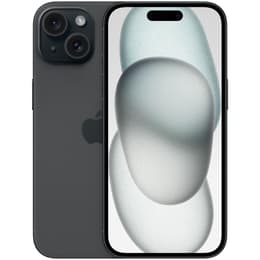

iPhone 15 Vs OnePlus 10 Pro

iPhone 15
iPhone 15
Starting at

Refurbished price:£326.00

Versus £699.00 new

See options
OnePlus 10 Pro
OnePlus 10 Pro
Starting at

Refurbished price:£391.00

Versus £769.39 new

See options

Ratings

The iPhone 15, released in late 2023, and the OnePlus 10 Pro, launched in early 2022, represent two distinct approaches to the modern smartphone experience. While the iPhone 15 serves as a refined entry into the iOS ecosystem with its updated connectivity and interface features, the OnePlus 10 Pro offers a feature-rich Android experience focused on display fluidity and versatile photography. Choosing between them involves weighing the benefits of a newer, long-supported device against a slightly older model that originally launched with high-end hardware specifications.

Scores

Durability

The iPhone 15 and OnePlus 10 Pro differ notably in their expected lifespans due to their release dates and manufacturer update policies.

  • Software Longevity: The iPhone 15 is expected to receive operating system updates for several years, likely remaining current towards the end of the decade. In contrast, the OnePlus 10 Pro, being a 2022 model, has a shorter remaining window for major software version updates and security patches.
  • Physical Build and Repair: Both devices utilise glass and metal constructions that require protective cases for long-term use. The iPhone 15 features a design that simplifies certain internal repairs, while the OnePlus 10 Pro follows a traditional assembly that may require more specialised tools for component replacement.
  • Sustainability: Opting for a sustainable choice like a well-maintained older model or a newer device can reduce electronic waste, provided the software remains functional for the user's needs.

Year of Release

2023

2022

Compatible with latest Update

Yes

Yes

OS

iOS

Android

Foldable

No

No

Performance

Everyday responsiveness and multitasking capabilities are handled differently by these two devices, reflecting their respective software optimisations.

  • System Fluidity: The iPhone 15 provides a consistent and smooth experience when navigating menus or switching between demanding applications, benefiting from tight integration between hardware and software. The OnePlus 10 Pro remains consistently responsive for daily tasks, though users may notice slight variations in speed depending on the complexity of the Android skin.
  • Battery and Charging: While the iPhone 15 is designed to last through a full day of standard use, the OnePlus 10 Pro prioritises rapid recovery, allowing users to replenish the battery in a brief amount of time.
  • Multitasking Efficiency: Users who keep many apps open simultaneously will find both devices capable, though the OnePlus 10 Pro often includes more temporary memory to handle background processes, whereas the iPhone 15 manages resources more aggressively to maintain efficiency.

Memory (GB)

6 GB

8 GB

Screen quality

The viewing experience is one of the most distinct differences between these two smartphones, particularly regarding smoothness and design.

  • Refresh Rate and Motion: The OnePlus 10 Pro features a high refresh rate display that makes scrolling and animations appear notably fluid. The iPhone 15 maintains a 60Hz refresh rate, which is reliable and clear but lacks the same level of visual smoothness found on the OnePlus.
  • Display Technology and Brightness: Both phones use advanced screen technology to produce deep blacks and accurate colours. The iPhone 15 offers high peak brightness, making it easy to read in direct sunlight, while the OnePlus 10 Pro uses a curved panel that provides an immersive feel for video content.
  • Interface Integration: The iPhone 15 introduces a functional cutout at the top of the screen that changes shape to show notifications, while the OnePlus 10 Pro uses a small, unobtrusive corner camera that maximises the available viewing area.

Resolution

1179 x 2556

1440 x 3216

Screen type

Super Retina XDR OLED

LTPO2 Fluid AMOLED

Audiovisual

Photography and media consumption are central to both devices, though they offer different lens configurations and processing styles.

  • Camera Versatility: The OnePlus 10 Pro includes a dedicated zoom lens, allowing for clearer photos of distant subjects. The iPhone 15 lacks a separate telephoto lens but uses its high-resolution sensor to provide a digital crop that maintains significant detail for portraits.
  • Video and Audio Capture: The iPhone 15 is frequently recognised for its stable video recording and natural sound capture, making it a frequent choice for social media creators. The OnePlus 10 Pro offers extensive manual controls for photography enthusiasts who prefer to adjust their settings for specific lighting conditions.
  • Sound Output: Both devices feature stereo speakers that provide clear audio for videos and calls, though the iPhone 15 tends to offer a slightly more balanced sound profile at higher volumes.

Main camera

48 megapixels

48 megapixels

Front camera

12 megapixels

32 megapixels

Miscellaneous

Practical features like physical ports and security sensors play a major role in the daily user experience of these smartphones.

  • Connectivity and Ports: Both devices have transitioned to the universal USB-C standard, allowing users to use the same cables for laptops and other electronics. They both support 5G networks for rapid mobile data where available.
  • Biometric Security: The iPhone 15 uses facial recognition technology that works in various lighting conditions to unlock the device. The OnePlus 10 Pro utilises a fingerprint sensor located under the display, which some users find more convenient when the phone is sitting flat on a desk.
  • Handling and Weight: The iPhone 15 is generally lighter and more compact, making it easier to use with one hand. The OnePlus 10 Pro is larger and heavier, which accommodates its bigger screen but may feel more substantial in a pocket.

Weight

171 g

201 g

Screen size (in)

6.1

6.7

Mobile network

5G

5G

SIM card

Physical SIM + eSIM

Physical SIM

Carrier compatibility

Unlocked

Unlocked

Connector

USB-C (USB 2)

USB-C

User consensus on platforms like Reddit suggests that the iPhone 15 is praised for its reliability and the convenience of its new interface features. However, some users express a desire for a smoother screen refresh rate. The OnePlus 10 Pro receives high marks for its rapid charging and vibrant, fluid display, though some long-term users note that software updates can occasionally be less consistent than those from other manufacturers.

Users who prioritise long-term software support, high-quality video recording, and a compact design will likely find the iPhone 15 to be the more suitable option. Conversely, those who value a large, smooth display for gaming or media, along with the ability to charge their phone in minutes, may lean toward the OnePlus 10 Pro. Both devices represent capable choices for modern smartphone users. Choosing a quality-assured refurbished option is a practical way to access these features while supporting a more circular economy. Ultimately, the decision rests on whether one prefers the streamlined experience of iOS or the hardware-forward approach of the OnePlus Android ecosystem.

See all articles

Our recent comparisons