
iPhone 15 Plus Vs iPhone 16e

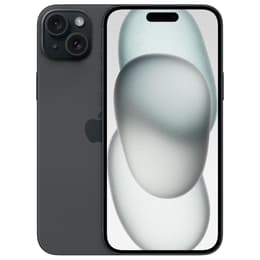
iPhone 15 Plus
iPhone 15 Plus
Starting at

Refurbished price:£345.00

Versus £799.00 new

See options
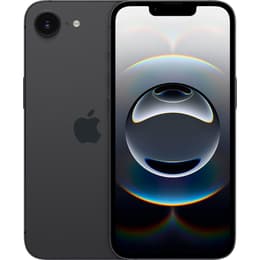
iPhone 16e
iPhone 16e
Starting at

Refurbished price:£359.00

Versus £599.00 new

See options

Ratings

The iPhone 15 Plus, released in 2023, and the iPhone 16E, introduced in 2025, represent different approaches within Apple's smartphone lineup. While both operate on Apple's iOS ecosystem, the iPhone 16E benefits from a more recent release, bringing updated internal components and potentially refined features. The primary distinctions lie in their release timelines, processing power, and physical dimensions, catering to users with varying preferences for size and performance.

Scores

Durability

When considering the practical lifespan, both devices offer robust software support, though the newer model naturally has an advantage.

  • Software Longevity: The iPhone 15 Plus, released in 2023, is expected to receive major iOS updates for approximately 5-6 years from its launch, likely until 2028-2029. The iPhone 16E, being a 2025 model, will benefit from an extended update cycle, potentially until 2030-2031, offering a longer period of access to the latest features and security patches.
  • Durability Features: Both models feature Ceramic Shield on the front for enhanced drop protection and are rated IP68 for water and dust resistance, indicating similar physical resilience in everyday use.
  • Repairability: Apple has made strides in improving repairability for its recent models. Both the iPhone 15 Plus and iPhone 16E are designed with internal components that are more accessible for repairs compared to older generations, contributing to their overall practical lifespan.

Year of Release

2023

2025

OS

iOS

iOS

Foldable

No

No

Performance

The two iPhones offer strong performance for daily tasks, but the newer model provides a noticeable upgrade in processing capabilities.

  • Processing Power: The iPhone 15 Plus is equipped with a powerful processor that handles demanding applications, multitasking, and graphics-intensive games smoothly. The iPhone 16E, featuring a newer generation processor, offers enhanced speed and efficiency, resulting in quicker app launches, more fluid transitions, and improved performance in computationally intensive tasks.
  • Multitasking: Both devices are capable of managing multiple applications simultaneously without significant slowdowns. However, the iPhone 16E's updated internal architecture provides a slight edge for users who frequently switch between many active apps or engage in heavy background processes.
  • Storage Options: Both models typically offer a range of storage configurations, allowing users to choose based on their needs for apps, photos, and videos. Performance remains consistent across different storage tiers.

Memory (GB)

6 GB

8 GB

Screen quality

Both iPhones deliver excellent visual experiences, but there are differences in size and potential display refinements.

  • Display Technology: The iPhone 15 Plus features a 6.7-inch Super Retina XDR OLED display, known for its deep blacks, vibrant colors, and high contrast. The iPhone 16E likely comes with a 6.1-inch OLED display, also offering excellent visual fidelity.
  • Brightness and Clarity: Both screens provide high peak brightness, ensuring good visibility even in bright outdoor conditions. The resolution on both devices is sharp, delivering clear text and detailed images for an immersive viewing experience.
  • Refresh Rate: Both the iPhone 15 Plus and the iPhone 16E typically feature a standard 60Hz refresh rate, providing smooth scrolling and responsiveness for most users.

Resolution

1290 x 2796

2532x1170

Audiovisual

Both devices offer capable camera systems, with the newer model incorporating advancements in sensor technology and computational photography.

  • Main Camera System: The iPhone 15 Plus features a dual-camera setup with a high-resolution main sensor and an ultrawide lens, capable of capturing detailed photos with good dynamic range. The iPhone 16E also includes a dual-camera system, likely with an updated main sensor and improved computational photography algorithms, which can result in better low-light performance and more refined image processing.
  • Photography Features: Both models support features like Cinematic mode for video and Photographic Styles for personalized image looks. The iPhone 16E may introduce subtle enhancements in these areas due to its newer processor and software optimizations.
  • Video Recording: Both devices are capable of recording high-quality video with good stabilization. The iPhone 16E might offer minor improvements in video dynamic range or low-light video capture.

Front camera

12 megapixels

TrueDepth 12MP

Miscellaneous

Beyond core features, several practical elements differentiate these two iPhone models.

  • Connectivity: Both the iPhone 15 Plus and iPhone 16E support 5G cellular connectivity, ensuring fast mobile data speeds where available. They also feature modern Wi-Fi standards and Bluetooth for reliable wireless connections.
  • Charging Port: A significant change for the iPhone 15 Plus was the adoption of USB-C, a versatile and widely used port. The iPhone 16E continues with USB-C, offering universal compatibility for charging and data transfer.
  • Biometric Security: Both models utilize Face ID for secure facial recognition, providing convenient and robust unlocking and authentication.
  • Design and Handling: The iPhone 15 Plus, with its 6.7-inch display, offers a larger screen experience, which can be beneficial for media consumption and productivity. The iPhone 16E, likely featuring a 6.1-inch display, provides a more compact and potentially easier-to-handle form factor for users who prefer a smaller device.

Weight

201 g

167 g

Screen size (in)

6.7

6.1

Mobile network

5G

5G

SIM card

Physical SIM + eSIM

eSIM

Carrier compatibility

Unlocked

Unlocked

Connector

USB-C

USB-C

The iPhone 15 Plus and iPhone 16E both offer a premium smartphone experience within the Apple ecosystem, but they cater to slightly different user priorities. Users frequently praise the iPhone 15 Plus for its expansive display and robust battery life, making it a strong choice for media consumption and extended use without frequent charging. Some users, however, noted its larger size might be less comfortable for one-handed operation.

The iPhone 16E, as a newer model, often receives acclaim for its updated processor, offering a snappier experience and longer software support, which is a significant advantage for those planning to keep their device for many years. Its likely more compact size is often preferred by users seeking a balance between screen real estate and portability. Potential criticisms might revolve around its battery life not matching the larger 'Plus' models, though it generally provides a full day of use for most.

Users prioritizing a larger screen and maximum battery capacity may find the iPhone 15 Plus well-suited to their needs. Conversely, those who value the latest internal components, a slightly more compact design, and the longest possible software support will likely lean towards the iPhone 16E. Both devices represent excellent choices, and opting for a quality-assured refurbished option for either model can be an eco-friendly alternative, allowing consumers to make informed, sustainable choices while enjoying premium technology.


See all articles

Our recent comparisons