
Compare models
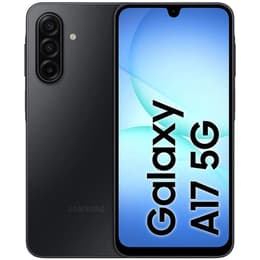
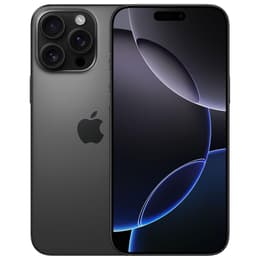
Galaxy A17 Vs iPhone 16 Pro Max
- 1-year minimum warranty
- Free delivery on all items
- Free 30-day returns
Differences at a glance
The Samsung Galaxy A17 (2025) and the Apple iPhone 16 Pro Max (2024) represent entirely different tiers of the smartphone market, catering to distinct user preferences and software ecosystems. While the Galaxy A17 runs on Android and focuses on delivering core everyday capabilities, the iPhone 16 Pro Max operates on iOS and offers high-end performance and expansive multimedia features. The primary differentiators between these two devices lie in their processing capabilities, camera versatility, and operating systems.
Available Models
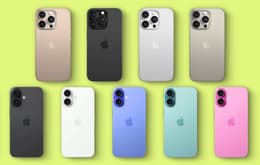
Colour
Storage
Scores
Durability
Evaluating the durability and long-term viability of these devices reveals distinct release timelines and support commitments that influence their expected practical lifespan.
- Software longevity and updates: The Galaxy A17 offers extended support with multi-year operating system upgrades, while the iPhone 16 Pro Max benefits from Apple's long-standing tradition of timely and sustained iOS updates.
- Build and repairability: The Galaxy A17 incorporates a durable glass front with a reinforced plastic build, whereas the iPhone 16 Pro Max utilizes a titanium frame and ceramic front shield, with both models requiring professional service for complex repairs.
- Expected practical lifespan: Both smartphones maintain sustained performance for routine daily requirements, though hardware headroom allows the iPhone 16 Pro Max to handle intensive computing demands over a longer duration.
Year of Release
2025
2024
Foldable
No
No
Performance
System performance and hardware execution shape how each smartphone handles daily workloads, multitasking, and power management.
- Multitasking and app responsiveness: The iPhone 16 Pro Max handles demanding 3D games and heavy professional software smoothly, whereas the Galaxy A17 manages everyday apps, web browsing, and casual multitasking reliably.
- Storage configurations: The iPhone 16 Pro Max provides higher starting storage capacities suited for large media libraries, while the Galaxy A17 offers moderate internal storage paired with expandable options via memory cards.
- Battery behavior: Both devices house large batteries designed to comfortably last through a full day of standard use, though heavy gaming or navigation will drain power reserves more rapidly on the Galaxy A17.
Screen quality
Display technology varies significantly between the two models, impacting outdoor visibility, media consumption, and visual smoothness.
- Display technology and clarity: The iPhone 16 Pro Max features a vibrant OLED display with deep contrast and high resolution, while the Galaxy A17 utilizes a bright AMOLED panel that delivers clear visuals and sharp text.
- Refresh rate and smoothness: The Galaxy A17 features a responsive refresh rate for smooth scrolling, whereas the iPhone 16 Pro Max employs adaptive refresh technology that adjusts dynamically based on the active content.
- Outdoor visibility: Both screens reach high peak brightness levels, ensuring that text and images remain legible under direct sunlight during outdoor use.
Resolution
1080x2340
1320 x 2868
Audiovisual
Multimedia capabilities and camera hardware diverge to support different photography styles and audio-visual preferences.
- Camera versatility: The iPhone 16 Pro Max includes a sophisticated triple-lens camera system with advanced optical zoom and a high-resolution ultra-wide sensor, while the Galaxy A17 relies on a functional multi-lens setup geared toward everyday snapshots.
- Video and low-light performance: The iPhone 16 Pro Max captures detailed low-light photos and professional-grade video formats, whereas the Galaxy A17 produces balanced images under standard lighting conditions.
- Audio output: The iPhone 16 Pro Max delivers robust stereo sound through its built-in speakers for media playback, while the Galaxy A17 provides clear audio adequate for daily calls and casual video watching.
Front camera
13MP
12 megapixels
Miscellaneous
Practical daily features such as connectivity, physical dimensions, and security sensors help define the handling experience of each device.
- Connectivity standards: Both models support modern 5G connectivity, advanced Wi-Fi protocols, and Bluetooth for pairing with wireless accessories.
- Physical dimensions and weight: The Galaxy A17 features a lighter, slimmer profile that rests comfortably in one hand, whereas the iPhone 16 Pro Max has a larger, heavier footprint due to its expansive screen size and robust frame.
- Authentication methods: The Galaxy A17 uses a convenient side-mounted fingerprint sensor, while the iPhone 16 Pro Max relies entirely on secure facial recognition technology.
Weight
192 g
227 g
Screen size (in)
6.7
6.9
Mobile network
5G
5G
SIM card
Dual Physical SIM
Physical SIM + eSIM
Carrier compatibility
Unlocked
Unlocked
Connector
USB-C
USB-C (USB 3)
What the community thinks
User discussions across online communities highlight distinct preferences for each device. Owners of the Galaxy A17 frequently praise its reliable battery longevity, slim profile, and extended software support window relative to its class. Conversely, users of the iPhone 16 Pro Max commonly emphasize appreciation for its expansive display, robust build materials, and high-tier processing speeds. Critics of the Galaxy A17 sometimes note limitations during intensive graphic tasks, while some users find the heavier build of the iPhone 16 Pro Max less comfortable for prolonged one-handed operation.
Users prioritizing productivity, advanced photography tools, and heavy gaming will find the iPhone 16 Pro Max well-suited to their needs. Meanwhile, users prioritizing everyday messaging, media streaming, and straightforward functionality may lean toward the Galaxy A17. For those seeking an eco-friendly alternative, exploring a quality-assured refurbished option provides a sustainable way to acquire these devices while reducing electronic waste. Ultimately, the choice depends entirely on individual workflow requirements and software ecosystem preferences.