
Compare models
Dell Latitude 7420 14" Vs Microsoft Surface Pro 9 13"
- 1-year minimum warranty
- Free delivery on all items
- Free 30-day returns
Differences at a glance
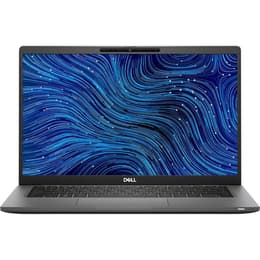
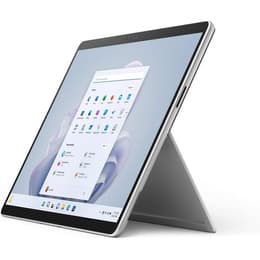
The Dell Latitude 7420 (2021) and the Microsoft Surface Pro 9 (2022) represent two distinct approaches to portable enterprise computing, matching a traditional clamshell business laptop against a versatile detachable 2-in-1 tablet. While both run Windows 11 and target mobile professionals, they differ primarily in their physical form factors, release timelines, and structural design. Choosing between them depends heavily on whether daily workflows favor a conventional keyboard-and-hinge layout or a flexible touchscreen tablet configuration.
Available Models
Storage
Processor
Memory
Scores
Durability
Both machines are built to withstand daily transport, though their different release years and repair architectures influence long-term usability.
- Release timeline and support: The Microsoft Surface Pro 9 arrived a year later than the Dell Latitude 7420, granting it a slightly extended window for ongoing firmware updates and vendor support.
- Repairability and build: The Dell Latitude 7420 features a traditional laptop chassis that allows straightforward component servicing, whereas the glued assembly of the Surface Pro 9 makes internal component replacement significantly more challenging.
- Expected lifespan: Both units handle routine professional tasks reliably over multiple years, though users exploring a quality-assured refurbished option will find that enterprise business laptops often offer easier modular upkeep over time.
Year of Release
2020
2022
Last Os Compatibility
Yes
Yes
OS
Windows 11
Windows 11
Performance
Equipped with capable internal hardware configurations, both devices manage multitasking, office suites, and web-based applications smoothly during regular daily use.
- System responsiveness: Applications launch swiftly and multi-tab browsing runs without interruption on both models, supported by fast solid-state storage options.
- Memory and multitasking: Available memory tiers handle heavy spreadsheet work and background synchronization efficiently, though heavy multi-application users benefit from selecting higher RAM configurations at purchase since components are integrated.
- Battery behavior: Typical office workflows sustain several hours of operation away from an outlet on both devices, though demanding tasks reduce overall field endurance more quickly on the compact tablet chassis.
Graphic card
Integrated Graphics
Integrated Graphics
Screen quality
Visual output differs significantly due to distinct display dimensions, aspect ratios, and panel technologies built into each device.
- Display format: The Microsoft Surface Pro 9 uses a taller 3:2 aspect ratio screen optimized for document editing and vertical scrolling, while the Dell Latitude 7420 employs a standard widescreen 16:9 or 16:10 format suited for traditional media viewing.
- Clarity and touch: Both panels deliver sharp text rendering and accurate color reproduction, with the Surface Pro series featuring high refresh rate capabilities for smoother on-screen motion.
- Outdoor usability: Adequate maximum brightness levels on both screens allow comfortable indoor work, though bright outdoor environments require adjusting positioning to minimize reflections on the glossy glass panels.
Resolution
1920 x 1080
2880 x 1920
Screen type
LCD
LCD
Camera
Audiovisual
Audio and visual communication features are tailored for remote meetings, video calls, and casual multimedia playback.
- Webcam performance: Integrated front-facing cameras on both devices capture clear image quality for virtual conferences, accompanied by reliable microphone arrays that isolate background noise.
- Speaker output: Built-in stereo speakers provide clear dialogue for meetings and casual video streaming, though external headphones or speakers improve depth for music listening.
- Secondary capture: The Surface Pro 9 includes an outward-facing rear camera for quick document scanning, a feature omitted from the traditional clamshell layout of the Latitude.
Miscellaneous
Physical portability, connection options, and peripheral support vary according to each chassis design.
- Port selection: The Dell Latitude 7420 includes traditional legacy connections alongside versatile USB Type-C ports, whereas the Surface Pro 9 relies primarily on streamlined proprietary charging connectors and compact data ports.
- Dimensions and weight: The Surface Pro 9 functions as a lightweight standalone tablet that gains bulk only when attaching the magnetic keyboard cover, while the Latitude 7420 maintains a fixed, professional clamshell profile.
- Security and input: Both models offer biometric login features through infrared cameras, while the Latitude provides a deep-travel physical keyboard and the Surface supports optional digital stylus input.
Weight
1550 g
880 g
Screen size
14
13
What the community thinks
User feedback highlights distinct preferences for each device based on everyday work styles. Owners of the Dell Latitude 7420 frequently praise its comfortable mechanical keyboard, robust port selection, and traditional lap stability. Conversely, Surface Pro 9 users often commend its exceptional screen clarity, tablet versatility, and lightweight portability during travel. Frequent criticisms for the laptop focus on its bulkier footprint compared to ultra-thin alternatives, while tablet users occasionally note physical instability when using the device on a lap rather than a flat desk.
Users prioritizing a sturdy, traditional keyboard layout with extensive peripheral connectivity will find the Dell Latitude 7420 well-suited to their needs, while users prioritizing maximum portability, touch input, and a flexible tablet form factor may prefer the Microsoft Surface Pro 9. Selecting an eco-friendly refurbished option provides a sustainable path to acquiring either enterprise-grade device without compromising on functional capability.