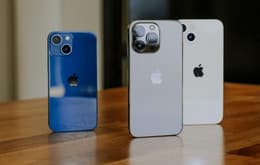
iPhone 13 mini Vs iPhone XS

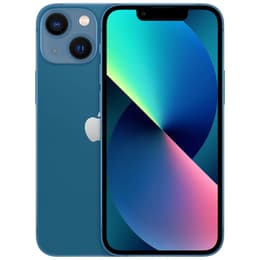
iPhone 13 mini
iPhone 13 mini
Starting at

£184.00

£649.00 new

See options
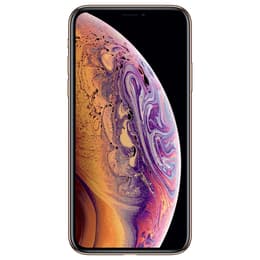
iPhone XS
iPhone XS
Starting at

£100.00

£399.00 new

See options

Ratings

The iPhone 13 Mini (2021) and the iPhone XS (2018) represent two different eras of Apple's smartphone design philosophy. While the iPhone 13 Mini focuses on providing modern power in a compact, pocket-friendly form factor, the iPhone XS remains a classic example of a larger, premium-built device from a few years prior. Both smartphones operate on the iOS platform, ensuring a familiar user experience, yet they differ significantly in their internal capabilities, physical dimensions, and overall longevity.

Scores

Durability

The age gap between these two devices plays a significant role in their expected lifespan and ongoing utility for the average user.

  • Software Support: The iPhone 13 Mini, released in 2021, is expected to receive official software updates for several years longer than the iPhone XS, which debuted in 2018. This ensures the newer model remains compatible with the latest apps and security patches for a more extended period.
  • Physical Resilience: The iPhone 13 Mini features a Ceramic Shield front cover, which offers increased protection against drops compared to the standard glass used on the iPhone XS. Additionally, the 13 Mini has a higher water resistance rating, making it more capable of surviving accidental submersions in daily use.
  • Repairability: Both devices are well-supported by repair networks, though the older internal layout of the iPhone XS is familiar to most technicians. However, finding genuine replacement parts for the newer 13 Mini is often more straightforward due to its more recent production cycle.

Year of Release

2021

2018

Compatible with latest Update

Yes

Yes

OS

iOS

iOS

Foldable

No

No

Performance

When comparing how these devices handle daily tasks, the generational leap in internal technology becomes apparent in responsiveness and efficiency.

  • System Responsiveness: The iPhone 13 Mini handles demanding applications, high-end mobile gaming, and intensive multitasking with ease, showing very little lag. In contrast, while the iPhone XS remains capable for standard browsing and social media, users may notice slower loading times when opening large files or switching between multiple heavy apps.
  • Battery Behaviour: Despite its smaller physical size, the iPhone 13 Mini utilises more efficient internal components that allow it to last through a full day of moderate use. The iPhone XS, having an older battery architecture, may require more frequent charging, especially for users who rely heavily on navigation or video streaming throughout the day.
  • Storage and Memory: The 13 Mini offers higher base storage options, which is beneficial for users who take many photos or download offline content. The XS provides sufficient memory for smooth operation, but it lacks the high-speed data processing capabilities found in the more modern model.

Memory

4 GB

4 GB

Screen quality

The viewing experience on these devices is defined by their differing sizes and the evolution of display technology over three years.

  • Display Size and Handling: The iPhone XS features a 5.8-inch display, providing more screen real estate for reading and watching videos. The iPhone 13 Mini uses a 5.4-inch screen, which makes the entire device much easier to operate with one hand, appealing to those who find modern smartphones too bulky.
  • Brightness and Outdoor Use: The iPhone 13 Mini boasts a significantly higher peak brightness, making the screen much easier to read under direct sunlight. While the iPhone XS uses a high-quality OLED panel with deep blacks, it can struggle with visibility in very bright outdoor environments compared to the newer model.
  • Visual Clarity: Both devices offer sharp resolutions and vibrant colours thanks to their OLED technology. However, the 13 Mini provides a slightly more refined visual experience with improved contrast ratios, making HDR content appear more lifelike during media consumption.

Resolution

1080 x 2340

1125 x 2436

Screen type

Super Retina XDR OLED

Super Retina OLED

Audiovisual

Photography and media playback have seen notable changes between the release of the XS and the 13 Mini, catering to different shooting styles.

  • Photography Versatility: The iPhone 13 Mini includes an ultra-wide lens, allowing users to capture more of a scene in a single shot, which is ideal for landscapes. The iPhone XS instead features a telephoto lens, which provides a dedicated zoom for portraits, though it lacks the modern night mode capabilities found on the 13 Mini for clear low-light photos.
  • Video Recording Features: Users interested in mobile filmmaking will find the 13 Mini more capable, as it introduces features like cinematic mode for professional-looking depth effects. The iPhone XS records high-quality 4K video but lacks the advanced stabilisation and software-driven enhancements present in the 2021 model.
  • Audio Output: Both smartphones feature stereo speakers that provide clear audio for calls and media. The 13 Mini offers a slightly fuller sound profile with better bass response, while the XS maintains a balanced output that remains clear even at higher volumes.

Main camera

12 megapixels

12 megapixels

Front camera

12 megapixels

7 megapixels

Miscellaneous

Practical daily usage is influenced by connectivity standards and the physical build of each handset, affecting how they feel in the hand.

  • Connectivity Standards: The iPhone 13 Mini supports 5G networks, allowing for much faster mobile data speeds in areas with coverage. The iPhone XS is limited to 4G LTE, which is still reliable for most tasks but may feel slower when downloading large files or streaming high-definition content on the go.
  • Charging and Accessories: The 13 Mini is compatible with MagSafe accessories, enabling easy attachment of magnetic chargers and wallets. Both devices use a Lightning port for wired charging, but the 13 Mini's internal magnets offer a more modern ecosystem of peripherals that the XS cannot support.
  • Weight and Dimensions: The iPhone 13 Mini is one of the lightest and smallest modern smartphones available, making it almost unnoticeable in a pocket. The iPhone XS is heavier and larger, using stainless steel for its frame, which gives it a substantial feel in the hand compared to the aluminium used on the 13 Mini.

Weight

140 g

177 g

Screen size (in)

5.4

5.8

Network

5G

4G

SIM card

Physical SIM + eSIM

Physical SIM + eSIM

Carrier compatibility

Unlocked

Unlocked

Connector

Lightning

Lightning

Public sentiment from user forums suggests that the iPhone 13 Mini is highly regarded for its unique combination of small size and high-end power, though some users find the screen too cramped for long typing sessions. The iPhone XS is often praised for its premium stainless steel feel and the inclusion of a dedicated zoom lens, which many still prefer over an ultra-wide lens. However, common criticisms for the XS involve its declining battery health and the lack of modern camera features like night mode, which are standard on newer models.

Users who prioritise one-handed use, the fastest possible performance in a small package, and long-term software support will find the iPhone 13 Mini to be an ideal fit. Conversely, those who prefer a slightly larger screen for media consumption and a more traditional, weighted feel may lean toward the iPhone XS. Choosing a quality-assured refurbished option for either device is an eco-friendly alternative that helps reduce electronic waste. Ultimately, the decision rests on whether a user values the compact efficiency of the 13 Mini or the classic flagship proportions of the XS. Both remain functional choices for different needs, representing a sustainable choice for those looking to extend the life of existing technology.
See all articles

Our recent comparisons