Galaxy S21 FE 5G Vs iPhone 14

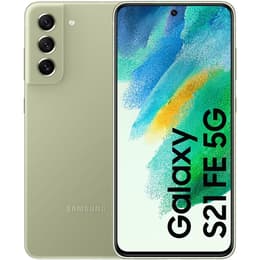
Galaxy S21 FE 5G
Galaxy S21 FE 5G
Starting at

Refurbished price:£122.00

Versus £759.00 new

See options
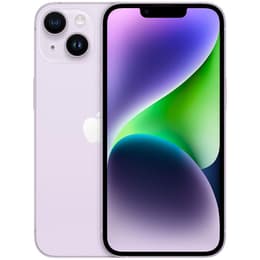
iPhone 14
iPhone 14
Starting at

Refurbished price:£232.00

Versus £599.00 new

See options

Ratings

The Samsung Galaxy S21 FE 5G and the Apple iPhone 14 both arrived in 2022, representing two distinct approaches to the modern smartphone experience. While the Galaxy S21 FE 5G serves as a versatile entry into the Android ecosystem with a focus on display fluidity and camera flexibility, the iPhone 14 offers a refined iOS experience known for its consistent performance and long-term software reliability. These devices cater to different user priorities, ranging from customisable software and high refresh rates to seamless ecosystem integration and video excellence.

Choosing between these two models involves weighing the benefits of Samsung's open platform against Apple's tightly integrated hardware and software. Both smartphones remain highly relevant today, providing modern features like 5G connectivity and advanced photography tools. This comparison explores the practical differences in their daily operation, helping you decide which device aligns best with your personal habits and professional requirements.

Scores

Durability

When evaluating how long these devices will remain functional and secure, both manufacturers offer clear roadmaps for software support and physical maintenance.

  • Software Longevity: The iPhone 14 generally benefits from a longer support window, with Apple typically providing major operating system updates for six to seven years. The Galaxy S21 FE 5G follows Samsung's commitment to four years of major Android updates and five years of security patches, meaning it will reach its software ceiling slightly sooner than its counterpart.
  • Physical Resilience: The iPhone 14 features a glass back and a ceramic-hardened front, while the Galaxy S21 FE 5G utilises a reinforced polycarbonate back. While the Samsung model is often more resistant to cracks from accidental drops, the iPhone's materials offer a different tactile experience and high resistance to scratches.
  • Repairability Standards: Both devices have established repair networks, though the Galaxy S21 FE 5G is often noted for having a more straightforward internal layout for screen and battery replacements. Users looking for a device that can be easily serviced over several years will find both models are well-supported by professional technicians.

Year of Release

2022

2022

Compatible with latest Update

Yes

Yes

OS

Android

iOS

Foldable

No

No

Performance

Daily performance is defined by how quickly apps open and how smoothly the interface responds to your touch, with both phones handling demanding tasks effectively.

  • System Responsiveness: The iPhone 14 is known for its high efficiency, allowing it to maintain a consistent speed even when the storage is nearly full or when running intensive video editing software. The Galaxy S21 FE 5G provides a very responsive experience, particularly when navigating the interface, though it may occasionally show slight variations in speed during heavy multitasking compared to the iPhone.
  • Multitasking and Memory: With ample memory for background tasks, the Galaxy S21 FE 5G allows users to keep many apps open simultaneously without frequent reloading. The iPhone 14 manages its resources differently, using aggressive software optimisation to ensure that the active application always receives maximum power for a lag-free experience.
  • Battery Behaviour: In typical use cases, the Galaxy S21 FE 5G features a larger battery capacity that comfortably lasts through a full day of mixed usage. The iPhone 14, despite having a physically smaller battery, benefits from highly efficient internal hardware that provides comparable endurance, especially during video playback and standby periods.

Memory (GB)

8 GB

6 GB

Screen quality

The display is the primary way you interact with your phone, and these two models offer significantly different visual experiences in terms of size and smoothness.

  • Motion Smoothness: A standout feature of the Galaxy S21 FE 5G is its 120Hz refresh rate, which makes scrolling through social media feeds and system menus appear twice as smooth as the standard 60Hz screen on the iPhone 14. This higher frequency reduces motion blur and provides a more fluid feel during fast-paced interactions.
  • Display Technology: Both phones use advanced OLED technology, which ensures deep blacks and high contrast ratios. The iPhone 14 is praised for its colour accuracy and natural tones, making it a favourite for photo viewing, while the Samsung display offers vibrant, punchy colours that make multimedia content look particularly engaging.
  • Viewing Area and Brightness: The Galaxy S21 FE 5G provides a slightly larger 6.4-inch screen compared to the 6.1-inch display on the iPhone 14, offering more room for reading and gaming. Both screens reach high brightness levels, ensuring that text remains legible even when used outdoors under direct sunlight.

Resolution

1080 x 2340

1170 x 2532

Screen type

Dynamic AMOLED 2X

Super Retina XDR OLED

Audiovisual

While both devices capture high-quality images, their camera systems are designed with different photographic priorities in mind.

  • Zoom and Versatility: The Galaxy S21 FE 5G includes a dedicated telephoto lens, allowing for 3x optical zoom without losing detail. This makes it better suited for capturing distant subjects or taking flattering portraits. The iPhone 14 lacks a dedicated zoom lens, relying instead on digital cropping for closer shots.
  • Video and Stabilisation: The iPhone 14 is widely regarded for its exceptional video quality, offering smooth stabilisation and consistent exposure that is ideal for content creators. Its ability to record in advanced cinematic modes provides a professional look to home videos that is difficult to match.
  • Low-Light Performance: Both smartphones excel in evening photography, using software processing to brighten dark scenes. The iPhone 14 tends to produce images with more natural shadows, while the Galaxy S21 FE 5G often prioritises visibility and detail in the darkest areas of the frame.

Main camera

12 megapixels

12 megapixels

Front camera

32 megapixels

12 megapixels

Miscellaneous

Beyond the core specifications, the physical design and connectivity options influence how these phones fit into your daily routine.

  • Biometric Security: The iPhone 14 uses Face ID, which projects invisible dots to map your face for secure unlocking even in total darkness. The Galaxy S21 FE 5G utilises an optical fingerprint sensor located under the display, providing a familiar and quick way to access the device with a single touch.
  • Charging and Ports: The Galaxy S21 FE 5G uses the universal USB-C standard, making it compatible with most modern laptop and tablet chargers. The iPhone 14 uses the Lightning port, which requires specific cables but integrates perfectly with the existing ecosystem of Apple accessories.
  • Portability and Build: Weighing slightly less than many flagship models, the Galaxy S21 FE 5G is easy to handle for long periods. The iPhone 14 has a more compact footprint, making it ideal for one-handed use and fitting easily into smaller pockets or bags. Both devices feature high levels of water and dust resistance for peace of mind.

Weight

177 g

172 g

Screen size (in)

6.4

6.1

Mobile network

5G

5G

SIM card

Physical SIM

Physical SIM + eSIM

Carrier compatibility

Unlocked

Unlocked

The choice between the Galaxy S21 FE 5G and the iPhone 14 ultimately depends on which features you value most in your daily life. User consensus on community forums often highlights the Galaxy S21 FE 5G for its impressive 120Hz display and the flexibility of its triple-camera system, particularly the zoom lens. Conversely, iPhone 14 users frequently praise the device for its reliable battery life, superior video recording, and the seamless way it works with other Apple products. Some criticisms of the Samsung model mention the plastic back feeling different than glass, while some iPhone users express a desire for a faster screen refresh rate.

Users who prioritise a smooth visual experience for browsing and gaming, or those who frequently take photos of distant subjects, will find the Galaxy S21 FE 5G to be a well-suited companion. Those who value long-term software updates, high-quality video production, and a more compact design will likely lean toward the iPhone 14. Both devices are available as a quality-assured refurbished option, providing a sustainable choice for those looking to reduce their environmental impact without sacrificing modern smartphone capabilities. Whichever model you choose, both represent reliable pieces of technology that continue to perform well in the current mobile landscape.

See all articles

Our recent comparisons