Compare models
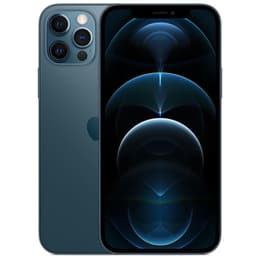
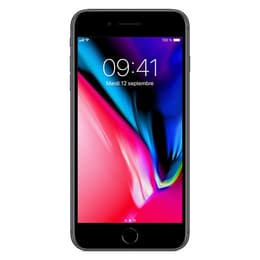
iPhone 12 Pro Vs iPhone 8 Plus
- 1-year minimum warranty
- Free delivery on all items
- Free 30-day returns
Differences at a glance
The iPhone 12 Pro, launched in 2020, and the iPhone 8 Plus, released in 2017, represent two distinct eras in the evolution of the smartphone. While the iPhone 8 Plus is a hallmark of the classic design featuring a physical home button and a wide-aspect screen, the iPhone 12 Pro showcases the modern shift toward an all-screen aesthetic with flat edges and advanced facial recognition. Both devices operate on the iOS platform, but their capabilities are separated by three years of significant technological advancement.
For those considering a sustainable choice like a quality-assured refurbished option, understanding the practical differences between these two models is essential. The iPhone 12 Pro introduces 5G connectivity and a sophisticated triple-camera system, whereas the iPhone 8 Plus offers a familiar tactile experience and a large, traditional display format that many users still find comfortable for daily tasks.
Available Models
Colour
Storage (GB)
Scores
Durability
When evaluating how long these devices will remain functional and secure, the release dates play a pivotal role in software support and physical resilience.
- Software Support Longevity: The iPhone 12 Pro was released three years after the iPhone 8 Plus, which directly impacts its lifespan. By 2026, the iPhone 8 Plus has largely moved past its window for major operating system updates, meaning it may no longer support the latest features or certain new applications. In contrast, the iPhone 12 Pro continues to receive full software support and critical security patches, ensuring it remains compatible with modern digital services for several more years.
- Physical Build and Protection: The iPhone 12 Pro features a Ceramic Shield front cover, which is designed to be significantly more resistant to drop damage than the standard glass found on the iPhone 8 Plus. Additionally, the 12 Pro has a higher water resistance rating, allowing it to withstand deeper submersion for longer periods compared to the more modest protection of the 8 Plus.
- Repair Accessibility: Both models benefit from a wide network of repair providers. The iPhone 8 Plus is often noted for having a less complex internal structure for basic repairs like battery swaps, while the iPhone 12 Pro requires more specialized tools due to its compact internal layout and integrated sensors.
Year of Release
2020
2017
Compatible with latest Update
Yes
No
OS
iOS
iOS
Foldable
No
No
Performance
The difference in internal hardware results in a noticeable gap in how these phones handle modern applications and multitasking demands.
- System Responsiveness: The iPhone 12 Pro is built to handle intensive tasks such as high-definition video editing, augmented reality apps, and complex mobile gaming without stuttering. Users will notice that apps open almost instantaneously and the interface remains fluid even under heavy load. The iPhone 8 Plus, while still capable of handling basic social media, messaging, and web browsing, may experience slower load times and occasional lag when running the most demanding modern software.
- Multitasking and Memory: With a higher memory capacity, the iPhone 12 Pro can keep many more applications active in the background. This means users can switch between a navigation app, a music player, and a web browser without the phone needing to reload the content. The iPhone 8 Plus has more limited memory, which may result in background apps closing more frequently to prioritize the active task.
- Storage and Efficiency: The iPhone 12 Pro typically starts with higher base storage options, allowing users to keep more photos and videos locally. Its internal components are also more energy-efficient, helping the device manage its power consumption more effectively during a full day of varied use compared to the older architecture of the 8 Plus.
Screen quality
The display technology marks one of the most significant upgrades between these two generations, affecting everything from movie watching to outdoor visibility.
- Display Technology and Contrast: The iPhone 12 Pro utilizes an OLED display, which provides
Resolution
1170 x 2532
1080 x 1920
Screen type
Super Retina XDR OLED
Retina IPS LCD
Audiovisual
Main camera
12 megapixels
12 megapixels
Front camera
12 megapixels
7 megapixels
Miscellaneous
Weight
187 g
202 g
Width
7.15 cm
7,81 cm
Height
14.67 cm
15,84 cm
Depth
0.74 cm
0,75 cm
Screen size (in)
6.1
5.5
Mobile network
5G
4G
SIM card
Physical SIM + eSIM
Physical SIM
Carrier compatibility
Unlocked
Unlocked
Connector