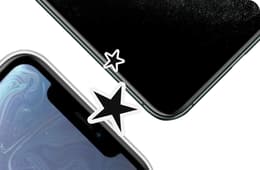
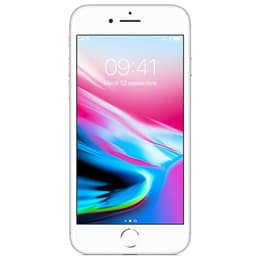

iPhone 11 Pro Vs iPhone 8

iPhone 11 Pro
iPhone 11 Pro
Starting at

Refurbished price:£151.00

Versus £639.00 new

See options
iPhone 8
iPhone 8
Starting at

Refurbished price:£69.00

Versus £249.00 new

See options

Ratings

The iPhone 11 Pro (2019) and the iPhone 8 (2017) represent two distinct eras of smartphone design and functionality. While the iPhone 8 retains the classic home button and a compact form factor, the iPhone 11 Pro introduced a more modern aesthetic with an all-screen front and a sophisticated triple-camera system. Both devices operate on the iOS platform, though their ability to run the latest software versions differs significantly due to their respective release dates. This comparison explores how these two models serve different user needs in a contemporary context, focusing on practical usability and long-term reliability.

Scores

Durability

The age gap between these two devices plays a critical role in their expected longevity and software compatibility in the current year.

  • Software Support: The iPhone 8, released in 2017, has reached the end of its major operating system update cycle, meaning it may no longer receive the latest features or security patches. In contrast, the iPhone 11 Pro, launched two years later, typically maintains compatibility with newer software versions for a longer period, ensuring better app support and a longer functional lifespan.
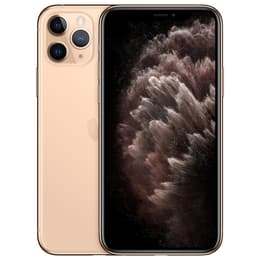
  • Build Materials: The iPhone 11 Pro features a stainless steel frame and textured matte glass, which offers a sturdy feel and high resistance to daily wear. The iPhone 8 uses an aluminium frame with a glass back, which is lighter but may feel less substantial during daily handling.
  • Sustainability: For those looking to extend the life of these devices, choosing a quality-assured refurbished option is an eco-friendly way to access reliable hardware while reducing electronic waste.

Year of Release

2019

2017

Compatible with latest Update

Yes

No

OS

iOS

iOS

Foldable

No

No

Performance

Daily responsiveness and multitasking capabilities vary noticeably between these two generations of hardware when running modern applications.

  • System Speed: The iPhone 11 Pro handles demanding applications, high-definition video editing, and modern mobile games with consistent smoothness. The iPhone 8 remains capable for basic tasks like messaging and web browsing, but users may notice slower loading times when opening larger apps or switching between multiple active programmes.
  • Battery Endurance: The iPhone 11 Pro was designed with a focus on efficiency, providing enough power to last through a full day of moderate to heavy use. The iPhone 8 has a much smaller battery capacity, which often necessitates more frequent charging, especially for users who frequently stream media or use navigation apps.
  • Memory Management: With more internal memory for active tasks, the iPhone 11 Pro keeps more apps open in the background without needing to refresh them, whereas the iPhone 8 may close background apps more aggressively to maintain system stability.

Memory (GB)

4 GB

2 GB

Screen quality

The viewing experience is one of the most immediate differences when comparing these two smartphones side-by-side.

  • Display Technology: The iPhone 11 Pro utilises an OLED panel, which provides deep black levels and a high contrast ratio, making it ideal for watching films or viewing photos. The iPhone 8 uses a traditional LCD, which offers natural colour reproduction but lacks the vibrant punch and energy efficiency of its successor.
  • Size and Clarity: At 5.8 inches, the iPhone 11 Pro offers a significantly larger viewing area within a body that is only slightly larger than the iPhone 8. The iPhone 8 features a 4.7-inch screen with larger borders at the top and bottom, which some users prefer for one-handed use despite the reduced screen real estate.
  • Outdoor Visibility: The iPhone 11 Pro reaches much higher brightness levels, ensuring the screen remains legible even under direct sunlight, while the iPhone 8 may be more difficult to read in bright outdoor environments.

Resolution

1125 x 2436

750 x 1334

Screen type

Super Retina XDR OLED

Retina IPS LCD

Audiovisual

Photography and media consumption capabilities have evolved significantly between the release of these two models, particularly in low-light conditions.

  • Camera Versatility: The iPhone 11 Pro features three distinct lenses—wide, ultra-wide, and telephoto—allowing users to capture everything from expansive landscapes to zoomed-in portraits. The iPhone 8 relies on a single wide lens, which produces clear photos in daylight but lacks the flexibility for different perspectives.
  • Low-Light Performance: Users will find that the iPhone 11 Pro excels in dim environments thanks to dedicated processing that brightens images without introducing excessive noise. The iPhone 8 lacks these specific night-time optimisations, resulting in darker and less detailed photos in low-light settings.
  • Audio Experience: The iPhone 11 Pro provides a more immersive spatial audio experience through its speakers, whereas the iPhone 8 offers standard stereo sound that is clear but lacks the depth and volume found in the newer model.

Main camera

12 megapixels

12 megapixels

Front camera

12 megapixels

7 megapixels

Miscellaneous

Practical design choices and connectivity features define the everyday handling and security of these devices.

  • Biometric Security: The iPhone 8 uses a fingerprint sensor integrated into the home button, which many users find reliable and convenient. The iPhone 11 Pro transitioned to facial recognition technology, allowing for secure unlocking and authentication just by looking at the device.
  • Physical Dimensions: The iPhone 8 is notably thinner and lighter, making it a preferred choice for those who value portability and ease of storage in small pockets. The iPhone 11 Pro is heavier and thicker, reflecting its more complex internal components and larger battery.
  • Charging and Ports: Both devices utilise a proprietary port for charging and data transfer, and neither includes a traditional headphone jack, requiring the use of wireless headphones or an adapter for wired audio.

Weight

188 g

148 g

Screen size (in)

5.8

4.7

Mobile network

4G

4G

SIM card

Physical SIM + eSIM

Physical SIM

Carrier compatibility

Unlocked

Unlocked

Connector

Lightning

Lightning

Public sentiment on community forums highlights a clear divide in user preference based on specific needs. The iPhone 8 is frequently praised for its classic design, the tactile feel of the home button, and its compact size, which remains a rarity in the modern market. However, users often point out that its battery life and camera capabilities feel dated by current standards. The iPhone 11 Pro receives consistent acclaim for its display quality and the versatility of its triple-camera system, though some users find its weight to be a drawback for long-term handheld use.

Users who prioritise a compact, lightweight device for basic communication and social media may find the iPhone 8 suits their requirements perfectly. Conversely, those who frequently consume media, take photographs in various lighting conditions, or require a battery that lasts through a busy day will likely find the iPhone 11 Pro to be a more appropriate fit. Choosing a quality-assured refurbished option for either model allows users to make a sustainable choice while accessing a device that has been thoroughly checked for performance. Ultimately, the decision rests on whether one values the traditional simplicity of the iPhone 8 or the modern, feature-rich experience of the iPhone 11 Pro.

See all articles

Our recent comparisons