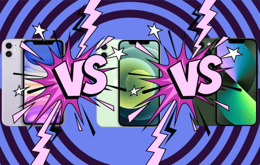
iPhone 11 Pro Vs iPhone 13 mini

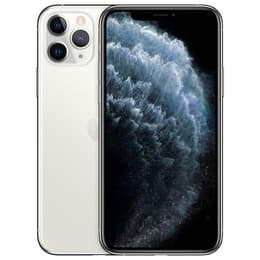
iPhone 11 Pro
iPhone 11 Pro
Starting at

Refurbished price:£152.00

Versus £639.00 new

See options
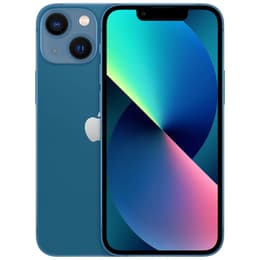
iPhone 13 mini
iPhone 13 mini
Starting at

Refurbished price:£185.00

Versus £649.00 new

See options

Ratings

The iPhone 11 Pro (2019) and the iPhone 13 Mini (2021) are two smartphones that cater to very different user preferences despite sharing the same software ecosystem. The iPhone 11 Pro was designed as a high-end powerhouse with a versatile triple-camera system, while the iPhone 13 Mini focuses on providing modern performance in a significantly smaller, more portable frame. Both devices run on the iOS platform, ensuring a familiar user experience with access to the latest security updates and applications.

Scores

Durability

The primary difference in longevity between these two models stems from their two-year age gap and the materials used in their construction.

  • Software Longevity: Because the iPhone 13 Mini was released two years after the iPhone 11 Pro, it is expected to receive official software updates for a longer period. Users can generally expect the 13 Mini to remain compatible with the latest apps and security patches further into the future, whereas the 11 Pro is closer to the end of its official support cycle.
  • Build Materials and Repairability: The iPhone 11 Pro features a stainless steel frame which provides a sturdy, weighted feel, while the iPhone 13 Mini uses a lighter aluminium frame. The 13 Mini also introduces a more durable front glass technology designed to better withstand accidental drops. Both devices are designed with water and dust resistance, though the 13 Mini's newer internal layout may offer slightly better resilience over time.
  • Practical Lifespan: For users planning to keep their device for several years, the iPhone 13 Mini offers a longer runway due to its newer internal components. However, the iPhone 11 Pro remains a robust device that can still handle daily tasks reliably for those who do not require the absolute latest software versions in the long term.

Year of Release

2019

2021

Compatible with latest Update

Yes

Yes

OS

iOS

iOS

Foldable

No

No

Performance

While both phones handle everyday tasks with ease, the generational gap in their internal hardware results in noticeable differences in speed and efficiency.

  • System Responsiveness: The iPhone 13 Mini benefits from a more advanced processor that handles demanding applications, such as high-definition video editing or complex mobile games, with greater fluidity. While the iPhone 11 Pro is still very capable for standard browsing and social media, the 13 Mini feels slightly snappier when switching between multiple heavy apps or processing large files.
  • Battery Efficiency: Despite its smaller physical size, the iPhone 13 Mini uses more efficient power management technology to provide a full day of use for moderate users. The iPhone 11 Pro has a larger battery capacity which may benefit those who spend a lot of time on cellular data or using the screen at high brightness, though its older hardware is less energy-efficient than the 13 Mini.
  • Storage and Multitasking: Both devices offer various storage capacities to suit different needs, from casual photo taking to heavy media storage. In terms of multitasking, the iPhone 11 Pro's hardware was designed to manage professional workflows, making it very stable when running several background processes, a trait the 13 Mini matches through its modern architecture.

Memory (GB)

4 GB

4 GB

Screen quality

The viewing experience on these devices is defined by their size and the technology used to produce colours and contrast.

  • Display Technology: Both models utilise OLED technology, which provides deep blacks, high contrast, and vibrant colours that make photos and videos look lifelike. This technology also helps with battery life when using dark mode as the pixels can completely turn off. The iPhone 13 Mini offers a slightly higher peak brightness, which makes the screen easier to read when used outdoors under direct sunlight.
  • Size and Portability: The iPhone 11 Pro features a 5.8-inch display, which many users find to be a sweet spot for watching videos while still being manageable with one hand. In contrast, the iPhone 13 Mini has a 5.4-inch screen, making it one of the smallest modern smartphones available. This smaller size is ideal for users who prioritise portability and ease of use with a single hand.
  • Clarity and Smoothness: Both screens offer high resolutions that ensure text looks sharp and images appear detailed. While neither device features the ultra-high refresh rates found on more recent Pro models, they both provide a smooth and responsive touch experience that feels natural during scrolling and navigation.

Resolution

1125 x 2436

1080 x 2340

Screen type

Super Retina XDR OLED

Super Retina XDR OLED

Audiovisual

The camera systems represent the biggest functional difference between these two models, catering to different types of photographers.

  • Camera Versatility: The iPhone 11 Pro features a triple-lens system, including a dedicated telephoto lens for zooming in on distant subjects without losing detail. The iPhone 13 Mini lacks this zoom lens, instead opting for a dual-lens setup. However, the 13 Mini's main sensor is more advanced, capturing more light and detail in standard photos than the older 11 Pro.
  • Low-Light and Video: The iPhone 13 Mini introduces improved software processing for night photography, resulting in clearer images with less grain in dark environments. For video enthusiasts, the 13 Mini also includes a cinematic feature that automatically shifts focus between subjects, a tool not available on the 11 Pro. Both devices record high-quality 4K video with excellent stabilisation.
  • Audio and Microphones: Both smartphones provide clear stereo sound through their speakers, making them suitable for watching movies or taking calls on speakerphone. The microphone arrays on both devices are designed to filter out background noise, ensuring that voice recordings and calls remain crisp even in moderately loud environments.

Main camera

12 megapixels

12 megapixels

Front camera

12 megapixels

12 megapixels

Miscellaneous

Beyond the core specifications, several practical features influence how these phones feel and function in the real world.

  • Connectivity Standards: A significant advantage for the iPhone 13 Mini is its compatibility with 5G networks, allowing for much faster download and upload speeds in areas with 5G coverage. The iPhone 11 Pro is limited to 4G/LTE, which is still reliable but may feel slower when downloading large files or streaming high-quality content on the go.
  • Charging and Accessories: The iPhone 13 Mini supports MagSafe, a magnetic system that allows for easy attachment of wireless chargers and other accessories. The iPhone 11 Pro uses standard wireless charging and the traditional Lightning port. Both devices rely on Face ID for secure unlocking, which remains fast and reliable on both generations.
  • Weight and Handling: The iPhone 13 Mini is remarkably light and thin, making it almost unnoticeable in a pocket and very comfortable for long phone calls. The iPhone 11 Pro is heavier and thicker, giving it a more substantial, premium feel in the hand that some users prefer for stability when taking photos or typing.

Weight

188 g

140 g

Screen size (in)

5.8

5.4

Mobile network

4G

5G

SIM card

Physical SIM + eSIM

Physical SIM + eSIM

Carrier compatibility

Unlocked

Unlocked

Connector

Lightning

Lightning

When looking at user feedback from various tech communities, the choice between these two devices often comes down to a preference for size versus camera flexibility. Users who have transitioned to the iPhone 13 Mini frequently praise its one-handed usability and how easily it fits into small pockets, though some note that the smaller screen can feel cramped for intensive tasks. On the other hand, iPhone 11 Pro users often highlight the value of the telephoto lens for portraits and the more substantial feel of the stainless steel build, even if the device is older.

Users who prioritise a compact design and the fastest possible mobile data speeds will likely find the iPhone 13 Mini to be the better fit for their lifestyle. Its modern processor and 5G capabilities ensure it will remain relevant for several years. Conversely, users who frequently take portrait photos or want a slightly larger screen for media consumption may prefer the iPhone 11 Pro, as its triple-camera system remains highly versatile today.

Choosing a quality-assured refurbished option for either of these models is an eco-friendly alternative that helps reduce electronic waste. By opting for a sustainable choice, users can access high-performing technology while contributing to a more circular economy. Both devices serve distinct needs, and the choice depends on whether portability or photographic versatility is the priority.

See all articles

Our recent comparisons