
Google Pixel Fold Vs Sony Xperia 1 IV

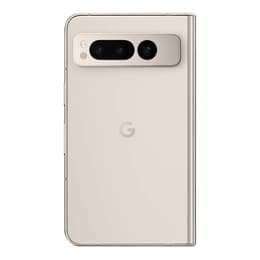
Google Pixel Fold
Google Pixel Fold
Starting at

Refurbished price:£371.00

Versus £1,499.00 new

See options
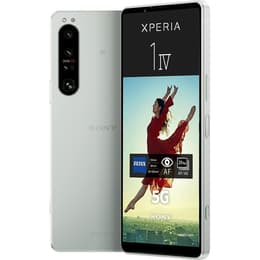
Sony Xperia 1 IV
Sony Xperia 1 IV
Starting at

Refurbished price:£346.00

Versus £1,500.00 new

See options

Ratings

The Google Pixel Fold (released in June 2023) and the Sony Xperia 1 IV (released in May 2022) represent distinct approaches to high-end smartphone design. The Pixel Fold introduces a foldable form factor, offering a large internal display for enhanced productivity and media consumption, while the Xperia 1 IV maintains a traditional slab design, focusing on a cinematic display and advanced camera controls. Both devices run on the Android operating system, providing a familiar software experience, but cater to different user preferences through their core hardware and design philosophies.

Scores

Durability

When considering the long-term usability of these devices, their release timelines and software support policies are key factors.

  • Release and Software Support: The Google Pixel Fold, launched in June 2023, is guaranteed five years of OS and security updates, extending its software support until at least June 2028. The Sony Xperia 1 IV, released in May 2022, launched with Android 12 and is upgradable to Android 14, but typically receives fewer years of major OS updates compared to Pixel devices.
  • Physical Durability: The Pixel Fold features an IPX8 water resistance rating, indicating protection against submersion. However, its internal foldable screen, made of plastic, is susceptible to scratches, and some durability tests have shown structural weaknesses in the device's frame under pressure, despite a durable hinge. The Xperia 1 IV offers IP65/68 dust and water protection and uses Corning Gorilla Glass Victus on both its front and back for enhanced scratch and drop resistance.
  • Practical Lifespan: Users prioritizing extended software longevity and the latest Android features may find the Pixel Fold's longer update commitment more appealing. For those who value a robust, traditional form factor with strong glass protection, the Xperia 1 IV offers a design that may withstand daily wear and tear differently than a foldable device.

Year of Release

2023

2022

Compatible with latest Update

Yes

No

OS

Android

Android

Foldable

Yes

No

Performance

The performance of these smartphones is driven by their respective processors and optimized for different user experiences.

  • Processing Power: The Google Pixel Fold is equipped with a Google Tensor G2 processor, designed to handle demanding applications and facilitate advanced AI features, contributing to smooth multitasking and efficient on-device machine learning. The Sony Xperia 1 IV utilizes a Snapdragon 8 Gen 1 processor, which provides robust performance for gaming and intensive tasks, though some users have noted it can lead to increased heat generation during prolonged heavy use.
  • Multitasking and Responsiveness: Both devices come with 12GB of RAM, enabling efficient multitasking and quick app switching. The Pixel Fold's larger internal display is designed to enhance productivity by allowing multiple apps to run simultaneously in a more expansive view. The Xperia 1 IV offers a consistently responsive experience in its traditional form factor.
  • Battery Behavior: The Pixel Fold houses a 4821mAh battery, with user reports generally indicating it can last through a full day of typical use, and some tests showing strong endurance in web browsing. The Xperia 1 IV features a 5000mAh battery. However, its 4K 120Hz display and processor can contribute to faster battery drain, with some users reporting the need for more frequent charging, especially with high refresh rate enabled.

Memory (GB)

12 GB

12 GB

Screen quality

The display technologies of the Pixel Fold and Xperia 1 IV offer distinct visual experiences tailored to their form factors.

  • Display Technology and Resolution: The Google Pixel Fold features a 7.6-inch inner OLED display with a resolution of 2208x1840 pixels and a 5.8-inch outer OLED display at 2092x1080 pixels. Both screens offer vibrant colors and deep blacks characteristic of OLED technology. The Sony Xperia 1 IV boasts a 6.5-inch 4K HDR OLED display with a resolution of 3840x1644 pixels, providing exceptional sharpness and detail, particularly for media consumption.
  • Refresh Rate and Brightness: Both the Pixel Fold's internal and external displays support a 120Hz refresh rate for smooth scrolling and animations, with peak brightness levels reaching up to 1550 nits on the outer screen and 1450 nits on the inner screen. The Xperia 1 IV also features a 120Hz refresh rate and offers good brightness, achieving an average of 890 cd/m² with a full white display, making it suitable for HDR content.
  • Aspect Ratio and Viewing Experience: The Pixel Fold's outer display has a wider aspect ratio (17.4:9) compared to many traditional smartphones, making it comfortable for one-handed use when folded. When unfolded, its 6:5 aspect ratio inner screen provides an expansive canvas for apps and media. The Xperia 1 IV's 21:9 aspect ratio is designed for a cinematic viewing experience, ideal for widescreen content, though it results in a taller and narrower phone body.

Resolution

1840 x 2208

1644 x 3840

Screen type

Foldable OLED

OLED

Audiovisual

Both devices offer advanced camera systems, though they approach mobile photography with different philosophies.

  • Rear Camera Systems: The Google Pixel Fold features a triple rear camera setup, including a 48MP main sensor with optical image stabilization (OIS), a 10.8MP ultrawide lens, and a 10.8MP telephoto lens capable of 5x optical zoom. This system is praised for its balanced image processing and strong zoom capabilities, often delivering natural colors. The Sony Xperia 1 IV also has a triple 12MP rear camera system, comprising a main, ultrawide, and a unique telephoto lens with continuous optical zoom between 85mm and 125mm.
  • Photography Features and Performance: The Pixel Fold leverages Google's computational photography for features like Night Sight and Real Tone, producing consistently good results across various lighting conditions. The Xperia 1 IV emphasizes manual controls, drawing on Sony's Alpha camera technology, offering granular adjustments for enthusiasts and the ability to shoot 4K 120fps video across all rear lenses. Its natural color reproduction is also a notable characteristic.
  • Front Cameras and Video: The Pixel Fold includes a 9.5MP outer front camera and an 8MP inner front camera, both capable of 4K video recording. The Xperia 1 IV features a 12MP front camera. Both devices offer high-quality video recording, with the Xperia 1 IV particularly noted for its 4K 120fps video capabilities across all rear cameras, providing excellent slow-motion potential.

Main camera

48 megapixels

12 megapixels

Front camera

8 megapixels

12 megapixels

Miscellaneous

Beyond core specifications, several practical elements differentiate the user experience of these two devices.

  • Connectivity and Ports: Both smartphones support modern connectivity standards, including 5G, Wi-Fi 6E (802.11ax), Bluetooth 5.2, and NFC. They both utilize a USB-C port for charging and data transfer. A notable distinction is the Sony Xperia 1 IV's inclusion of a 3.5mm headphone jack and a microSD card slot for expandable storage up to 1TB, features absent on the Pixel Fold.
  • Biometric Security and Sensors: The Pixel Fold incorporates a fingerprint sensor for secure unlocking. The Xperia 1 IV features a side-mounted fingerprint sensor that is integrated into the power button, offering quick and reliable access. Both devices include standard sensors like accelerometers, gyroscopes, and proximity sensors.
  • Design and Handling: The Pixel Fold, when folded, measures 139.7 x 79.5 x 12.1 mm and weighs 283g, offering a wider and shorter profile than many traditional phones. When unfolded, it becomes a thin tablet-like device at 5.8 mm thick. The Xperia 1 IV has dimensions of 165 x 71 x 8.2 mm and weighs 185g, presenting a taller and narrower form factor with a flat, blocky design. The Pixel Fold's design aims for a more comfortable external screen experience, while the Xperia 1 IV's elongated shape is geared towards cinematic viewing.

Weight

283 g

185 g

Screen size (in)

7.6

6,5

Mobile network

5G

5G

SIM card

Physical SIM + eSIM

Physical SIM + eSIM

Carrier compatibility

Unlocked

Unlocked

Connector

USB-C

USB-C + Jack 3.5mm

The Google Pixel Fold and Sony Xperia 1 IV cater to distinct user needs within the premium smartphone market. The Pixel Fold is often praised for its innovative foldable design, offering a versatile large internal display that enhances multitasking and media consumption. Users frequently highlight its capable camera system, particularly the 5x optical zoom, and the clean, intuitive Android experience. However, common concerns include its durability, especially the susceptibility of the inner screen to scratches, and some reports of structural fragility in bend tests. The device's weight and the visible crease on the inner screen are also points of discussion among users.

The Sony Xperia 1 IV receives acclaim for its unique 4K OLED display, providing an exceptionally sharp and cinematic viewing experience. Its camera system, with advanced manual controls and continuous optical zoom, is highly regarded by photography enthusiasts who appreciate its natural color science and 4K 120fps video capabilities across all lenses. On the other hand, a frequent criticism of the Xperia 1 IV is its battery life, which some users find insufficient for a full day, particularly when utilizing the high refresh rate display. The phone's tendency to generate heat during intensive use is also a noted concern.

Users prioritizing a large, adaptable screen for productivity and a strong, AI-enhanced camera system with extended software support may find the Google Pixel Fold well-suited to their needs. Conversely, individuals who value a traditional, robust smartphone design with an unparalleled cinematic display, advanced manual camera controls, and expandable storage will likely lean towards the Sony Xperia 1 IV. Both devices offer compelling features, and considering quality-assured refurbished options can provide an eco-friendly alternative for either choice.


See all articles

Our recent comparisons