
Compare models
Google Pixel Fold Vs iPhone 17 Pro
- 1-year minimum warranty
- Free delivery on all items
- Free 30-day returns
Differences at a glance
The Google Pixel Fold (2023) and the iPhone 17 Pro (2025) represent two distinct visions of modern smartphone design, contrasting a foldable device format with a traditional candy bar form factor. While the Pixel Fold focuses on transforming from a compact phone into a tablet-sized display, the iPhone 17 Pro emphasizes high-end performance housed in a refined, rigid structure. Running on Android and iOS respectively, these two devices offer completely different software ecosystems while catering to users who demand large screen interactions or advanced daily efficiency.
Available Models
Colour
Storage (GB)
Scores
Durability
When examining longevity, both devices offer robust support timelines and build strategies, though their physical mechanics differ due to their unique screen designs.
- Software longevity: The iPhone 17 Pro benefits from Apple's long-term operating system updates, ensuring multi-year feature additions and security patches. The Google Pixel Fold also features an extended software commitment, providing multiple years of system upgrades to keep the interface current.
- Repairability and durability: Traditional smartphones like the iPhone 17 Pro typically feature higher resistance to daily wear and simpler repair processes. Foldable devices require more careful handling of the inner flexible display and hinge mechanism, making a quality-assured refurbished option an appealing, sustainable choice for users wanting to test new form factors with peace of mind.
Year of Release
2023
2025
Performance
Both smartphones handle intensive everyday tasks with ease, though they approach multitasking and internal capacity through different hardware configurations.
- Multitasking and storage: The Google Pixel Fold utilizes a large amount of memory designed to run multiple split-screen applications simultaneously, paired with various high-capacity storage tiers. The iPhone 17 Pro relies on efficient system optimization to switch smoothly between demanding software and gaming environments without stuttering.
- Battery behavior: The Pixel Fold's dual-screen setup requires extra power during tablet-mode usage, which can lead to more frequent charging during heavy days. The iPhone 17 Pro optimizes energy consumption efficiently across a single display, comfortably lasting through a full day of standard use.
Screen quality
The display experiences differ dramatically between the two models, primarily due to the foldable screen architecture of one and the traditional panel of the other.
- Display technology: The Google Pixel Fold provides an outer screen for standard interactions and an expansive inner organic light-emitting diode display that resembles a small tablet. The iPhone 17 Pro utilizes a bright, responsive organic light-emitting diode panel featuring high refresh rates for fluid scrolling and media viewing.
- Outdoor visibility and clarity: Both screens offer deep black levels and vibrant color reproduction, with peak brightness levels designed to remain legible under direct sunlight during outdoor commutes or travel.
Audiovisual
Optics and media playback vary to suit different photography preferences and audio-visual consumption styles.
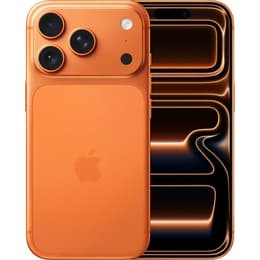
- Camera systems: The iPhone 17 Pro features a versatile multi-lens rear setup capable of detailed low-light shots and high-resolution video stabilization. The Google Pixel Fold integrates a capable triple-lens array that leverages advanced computational processing to balance shadows and highlights automatically in everyday snapshots.
- Media and audio output: Both models include stereo speakers that deliver clear audio for video calls and casual music listening, though neither features a traditional headphone jack.
Miscellaneous
Physical dimensions and connectivity standards shape how each device fits into daily routines and travel environments.
- Connectivity and ports: Both smartphones support current-generation 5G networks, fast Wi-Fi standards, and modern Bluetooth protocols for seamless accessory pairing. The iPhone 17 Pro uses a reversible universal cable standard, while the Pixel Fold relies on its own matching connection type for charging and data transfer.
- Handling and weight: The iPhone 17 Pro maintains a familiar, pocket-friendly weight and width suited for single-handed use. The Pixel Fold is significantly heavier and wider when closed to accommodate its internal folding hinge, requiring a two-handed grip for comfortable multitasking.
Screen size (in)
7.6
6.3
Mobile network
5G
5G
SIM card
Physical SIM + eSIM
Physical SIM + eSIM
Carrier compatibility
Unlocked
Unlocked
Connector
USB-C
USB-C
What the community thinks
User discussions across online communities frequently praise the iPhone 17 Pro for its dependable battery efficiency, robust camera performance, and comfortable single-handed ergonomics. At the same time, users highlight the Google Pixel Fold for its innovative dual-screen workspace that transforms reading, document editing, and video watching into a tablet-like experience. Common concerns for the foldable model involve its heavier build and the extra care required for the flexible inner screen, whereas critics of the traditional phone format note a lack of expansive multi-window flexibility.
Users prioritizing a multi-window workspace and a tablet-sized screen for productivity will find the Google Pixel Fold well-suited to their needs, while users prioritizing everyday pocket ergonomics, simplified handling, and long battery endurance may lean toward the iPhone 17 Pro. Selecting either device depends entirely on personal habits regarding screen format and software preference, with sustainable alternatives available for conscious buyers.