
Google Pixel 9a Vs iPhone 16 Pro

Google Pixel 9a
Google Pixel 9a
Starting at

Refurbished price:£319.00

Versus £499.00 new

See options
iPhone 16 Pro
iPhone 16 Pro
Starting at

Refurbished price:£564.00

Versus £999.00 new

See options

Ratings

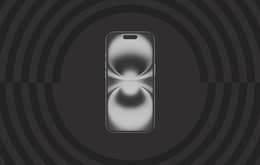
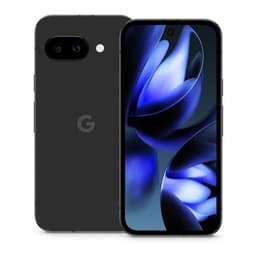
The Google Pixel 9A, released in April 2025, and the iPhone 16 Pro, launched in September 2024, represent distinct approaches to the modern smartphone experience. While the Pixel 9A offers a compelling Android experience with a focus on AI and computational photography, the iPhone 16 Pro delivers Apple's premium iOS ecosystem with advanced performance and a refined camera system. These devices cater to different user preferences, with key differentiators lying in their operating systems, hardware capabilities, and overall user philosophies.

Scores

Durability

When considering the long-term usability of a smartphone, software support and physical resilience are key factors. Both devices offer robust support timelines and durable designs.

  • Software Longevity: The Google Pixel 9A is notable for its extensive software commitment, promising seven years of OS updates, security patches, and Pixel Drop features, extending its support until at least March 2032. The iPhone 16 Pro, while typically receiving a minimum of five years of major iOS updates, often sees security updates for seven years or more, ensuring a prolonged period of secure and functional use.
  • Physical Durability: Both the Pixel 9A and the iPhone 16 Pro feature an IP68 rating for dust and water protection, indicating resistance to submersion. The iPhone 16 Pro further incorporates a Ceramic Shield front cover and a titanium frame, contributing to its overall robustness. The Pixel 9A utilizes Corning Gorilla Glass 3 for display protection.
  • Repairability: While specific repairability scores can vary, both manufacturers generally design their devices with a balance of durability and serviceability. Users can expect access to official repair channels and parts for several years following their respective releases.

Year of Release

2025

2024

Compatible with latest Update

Yes

Yes

Foldable

No

No

Performance

Performance in daily use is a critical aspect for any smartphone, influencing everything from app responsiveness to demanding tasks. Both the Pixel 9A and iPhone 16 Pro are equipped to handle modern mobile computing needs, though with different underlying architectures.

  • Processing Power: The Google Pixel 9A is powered by a current-generation Google Tensor G4 processor, which enables smooth navigation, efficient multitasking, and supports advanced on-device AI features. The iPhone 16 Pro features Apple's A18 Pro chip, designed for high-end performance, delivering exceptional speed and efficiency for intensive applications, gaming, and professional-grade tasks.
  • Multitasking and Storage: The Pixel 9A comes with 8GB of RAM, providing ample capacity for running multiple applications simultaneously without significant slowdowns. It offers storage options of 128GB and 256GB. The iPhone 16 Pro is available with storage capacities ranging from 128GB up to 1TB, catering to users with extensive storage requirements for media and applications.
  • Battery Behavior: The Pixel 9A is equipped with a 5100mAh battery, supporting wireless and proprietary fast charging, and is designed to provide extended usage throughout the day for most users. The iPhone 16 Pro, with an expected 3577mAh battery, also offers excellent battery longevity, with many users reporting a full day or more of use, particularly with moderate usage patterns.

Memory (GB)

8 GB

8 GB

Screen quality

The display is the primary interface for smartphone interaction, and both devices offer high-quality visual experiences tailored to their respective ecosystems.

  • Display Technology and Clarity: Both the Google Pixel 9A and the iPhone 16 Pro feature vibrant OLED displays, known for their deep blacks and excellent contrast. The Pixel 9A offers a 6.3-inch screen with a 1080x2424 pixel resolution, resulting in a clear visual experience at 422 pixels per inch. The iPhone 16 Pro has a slightly larger 6.3-inch Super Retina XDR OLED display with a resolution of 2868x1230 pixels, providing a sharp 460 pixels per inch.
  • Brightness and Smoothness: The Pixel 9A features a variable refresh rate from 60Hz to 120Hz, contributing to smoother scrolling and more fluid animations. The iPhone 16 Pro incorporates ProMotion technology, offering adaptive refresh rates up to 120Hz, which dynamically adjusts for optimal smoothness and power efficiency. For outdoor visibility, the iPhone 16 Pro boasts higher peak brightness levels, reaching up to 2000 nits in outdoor conditions, compared to the Pixel 9A's typical brightness.
  • Screen Features: The iPhone 16 Pro includes the Dynamic Island, an interactive area around the front camera and sensors that displays alerts and background activities. Both devices offer expansive viewing experiences with minimal bezels.

Resolution

2424 x 1080

1206 x 2622

Audiovisual

Camera capabilities are a significant consideration for many users, and both the Pixel 9A and iPhone 16 Pro excel in different aspects of mobile photography and videography.

  • Rear Camera Systems: The Google Pixel 9A features a dual-camera setup on the rear, including a 48-megapixel primary sensor and a 13-megapixel ultrawide lens, known for its computational photography strengths and consistent image quality. The iPhone 16 Pro boasts a more advanced Pro camera system, featuring a new 48-megapixel Ultra Wide camera with autofocus, a second-generation 48-megapixel Fusion main camera, and a 5x optical zoom telephoto lens, offering greater versatility and detail.
  • Photography Performance: The Pixel 9A is praised for its ability to produce sharp photos with natural colors, and its Night Sight mode is effective in low-light conditions. The iPhone 16 Pro's camera system delivers enhanced detail, improved low-light performance, and advanced image processing, with users appreciating its responsiveness even when shooting at full 48MP resolution.
  • Video Recording and Audio: The iPhone 16 Pro supports 4K video recording at 120 frames per second, providing options for high-quality slow-motion and professional video capture. Both devices offer capable microphone quality for calls and recording, and their speaker outputs provide a satisfactory media consumption experience.

Front camera

13 megapixels

12 megapixels

Miscellaneous

Beyond core features, several practical elements contribute to the overall user experience and daily convenience of these smartphones.

  • Connectivity and Ports: The Google Pixel 9A supports modern connectivity standards including Wi-Fi 802.11ax and Bluetooth v5.30, along with 5G capabilities and a USB Type-C port for charging and data transfer. The iPhone 16 Pro steps up with support for Wi-Fi 7 and a faster 5G modem, also featuring a USB-C connector. Both devices offer dual-SIM functionality, supporting both physical Nano-SIM and eSIM.
  • Biometric Security and Sensors: The Pixel 9A typically relies on a fingerprint sensor for biometric authentication. The iPhone 16 Pro utilizes Face ID for secure facial recognition. Both devices integrate a range of sensors for various functionalities, including GPS, NFC for contactless payments, and ambient light sensors.
  • Design and Handling: The Pixel 9A measures 154.70 x 73.30 x 8.90mm and weighs 185.90 grams, offering a comfortable in-hand feel. The iPhone 16 Pro is slightly more compact at 149.6 × 71.5 × 8.25 mm and weighs 199 grams, with a premium titanium build that contributes to its sturdy feel.

Weight

186 g

199 g

Screen size (in)

6.3

6.3

Mobile network

5G

5G

SIM card

Physical SIM + eSIM

Physical SIM + eSIM

Carrier compatibility

Unlocked

Unlocked

Connector

USB-C

USB-C (USB 3)

The Google Pixel 9A and iPhone 16 Pro cater to distinct user preferences, each offering a compelling smartphone experience. Users often praise the Pixel series for its exceptional camera capabilities, clean Android interface, and genuinely useful AI features, making it a strong contender for those who prioritize computational photography and a streamlined software experience. Some common criticisms for Pixel devices have included occasional software bugs after updates and a fingerprint scanner that can be inconsistent.

Conversely, the iPhone 16 Pro receives acclaim for its robust build quality, consistently smooth performance, and advanced camera system, particularly for video recording. Users appreciate the refined iOS ecosystem and the device's overall reliability. Potential drawbacks noted by some users include the device's weight and the size of the camera bump, which can affect handling.

Users prioritizing a long-term software commitment, a pure Android experience, and advanced AI features for everyday tasks may find the Google Pixel 9A well-suited to their needs. Its strong camera performance and extended update policy make it a practical choice. On the other hand, individuals who value a premium build, top-tier processing power for demanding applications, and a highly integrated ecosystem with advanced video capabilities will likely lean towards the iPhone 16 Pro. Both devices offer quality-assured refurbished options, providing an eco-friendly alternative for consumers seeking reliable technology. Ultimately, the choice depends on whether a user prioritizes the open nature and AI-centric features of Android or the polished performance and integrated ecosystem of iOS.

See all articles

Our recent comparisons