Galaxy S10 Vs iPhone 14 Pro Max

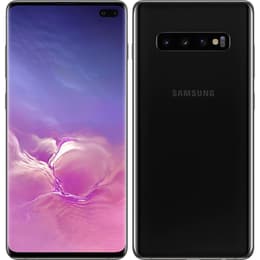
Galaxy S10
Galaxy S10
Starting at

Refurbished price:£108.00

Versus £639.00 new

See options
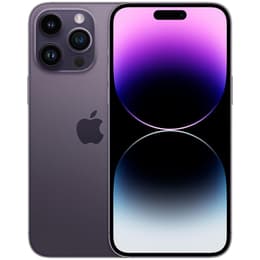
iPhone 14 Pro Max
iPhone 14 Pro Max
Starting at

Refurbished price:£325.00

Versus £1,199.00 new

See options

Ratings

The Samsung Galaxy S10, a smartphone released in March 2019, and the iPhone 14 Pro Max, launched in September 2022, represent different generations of flagship mobile technology. While both devices offer premium experiences, the iPhone 14 Pro Max introduces significant advancements in display technology, camera capabilities, and overall performance, reflecting the evolution of smartphone design and engineering over several years.

Scores

Durability

The longevity of a smartphone is influenced by its release timeline, software support, and repairability.

  • Release Timeline and OS Support: The Galaxy S10, released in March 2019, originally ran on Android 9.0 Pie and received three major Android OS updates, concluding its major software support around Android 12/One UI 4. Security updates for most S10 models ended in early 2023, though some critical security flaws might still receive patches. In contrast, the iPhone 14 Pro Max, launched in September 2022 with iOS 16, benefits from Apple's typically longer software support, often extending to 5-6 years from its release. This means the iPhone 14 Pro Max is expected to receive significant iOS updates for several more years than the Galaxy S10.
  • Repairability: The Galaxy S10 received a low repairability score of 3 out of 10 from iFixit, indicating challenges in repair due to extensive adhesive use, a glued-down battery, and a soldered charging port. The iPhone 14 Pro Max, while featuring some internal redesigns, also presents repair challenges, particularly with its rear glass panel, and its iFixit repairability score is 6 out of 10, though the general iPhone 14 series score was later downgraded to 4 out of 10 due to software restrictions on parts.
  • Expected Practical Lifespan: Users prioritizing the latest software features and security patches will find the iPhone 14 Pro Max offers a considerably longer practical lifespan due to its newer release and extended update policy. The Galaxy S10, having reached the end of its official software support, may pose security risks or compatibility issues with newer applications over time.

Year of Release

2019

2022

Compatible with latest Update

No

Yes

OS

Android

iOS

Foldable

No

No

Performance

Performance is a key differentiator, impacting how smoothly applications run and how efficiently the device handles demanding tasks.

  • Processing Power: The Galaxy S10 is powered by a processor capable of handling most everyday applications and games smoothly, reflecting its flagship status at the time of its release. The iPhone 14 Pro Max, being a much newer device, features a significantly more advanced processor, delivering superior performance for intensive applications, high-fidelity gaming, and complex multitasking. This newer processor also contributes to better power efficiency.
  • Multitasking and Responsiveness: With 8GB of RAM, the Galaxy S10 offers solid multitasking capabilities for its generation. The iPhone 14 Pro Max comes with 6GB of RAM, but due to the optimized integration between hardware and software in its operating system, it provides a highly responsive user experience and handles numerous open applications with ease.
  • Battery Behavior: The Galaxy S10 is equipped with a 3400 mAh battery, with user experiences varying from lasting a full day with moderate use to requiring a midday charge for heavy users. The iPhone 14 Pro Max features a 4323 mAh battery, consistently delivering excellent battery life, often extending beyond a full day of heavy usage, with some reports indicating over 13 hours of screen-on time.

Memory (GB)

8 GB

6 GB

Screen quality

The display is a primary interface for user interaction, and both devices offer high-quality viewing experiences with distinct characteristics.

  • Display Technology and Clarity: The Galaxy S10 features a 6.1-inch Dynamic AMOLED display with a QHD+ resolution (3040x1440 pixels), resulting in a sharp 550 pixels per inch (ppi). It supports HDR10+ for enhanced contrast and color. The iPhone 14 Pro Max boasts a larger 6.7-inch Super Retina XDR OLED display with a resolution of 2796x1290 pixels, yielding 460 ppi. It also supports HDR and offers exceptional color accuracy.
  • Brightness and Outdoor Visibility: The Galaxy S10's display can reach a peak brightness of 1200 nits, providing good visibility in various lighting conditions. The iPhone 14 Pro Max significantly surpasses this with a typical maximum brightness of 1000 nits and an impressive peak outdoor brightness of 2000 nits, ensuring excellent readability even in direct sunlight.
  • Refresh Rate and Smoothness: The Galaxy S10 has a standard 60Hz refresh rate. The iPhone 14 Pro Max features ProMotion technology, offering an adaptive refresh rate that can scale from 1Hz to 120Hz. This dynamic adjustment provides smoother scrolling and more fluid animations while conserving battery life when a high refresh rate is not needed.

Resolution

1440 x 3040

1290 x 2796

Screen type

Dynamic AMOLED

LTPO Super Retina XDR OLED

Audiovisual

Camera systems are crucial for capturing memories, and both devices offer capable photographic tools, though with different strengths and generations of technology.

  • Rear Camera System: The Galaxy S10 is equipped with a versatile triple-camera setup, including a 12-megapixel wide-angle lens with dual aperture and optical image stabilization (OIS), a 12-megapixel telephoto lens with 2x optical zoom and OIS, and a 16-megapixel ultra-wide-angle lens. The iPhone 14 Pro Max features a more advanced 'Pro camera system' with a 48-megapixel main sensor (with second-generation sensor-shift OIS), a 12-megapixel ultra-wide lens with a 120-degree field of view, and two 12-megapixel telephoto lenses offering 2x and 3x optical zoom, both with OIS.
  • Photography Performance: The Galaxy S10 delivers good photos in daylight and supports HDR10+ video recording. Its low-light performance was considered strong for its time. The iPhone 14 Pro Max benefits from a larger main sensor, advanced image processing (Photonic Engine, Deep Fusion), and improved Night mode, resulting in superior detail, color accuracy, and low-light performance across its lenses.
  • Video Recording and Audio: Both devices are capable of recording high-quality video. The Galaxy S10 can record up to 4K at 60fps. The iPhone 14 Pro Max offers enhanced video capabilities, including cinematic mode and ProRes video recording, alongside excellent microphone quality for calls and recordings. Both provide a good media consumption experience through their speakers.

Main camera

12 megapixels

48 megapixels

Front camera

10 megapixels

12 megapixels

Miscellaneous

Beyond core features, several practical elements contribute to the overall user experience and device utility.

  • Connectivity and Ports: The Galaxy S10 supports Wi-Fi 6 (802.11ax) and Bluetooth, and notably includes a 3.5mm headphone jack and a USB-C port. The iPhone 14 Pro Max offers 5G connectivity, newer Wi-Fi standards, and Bluetooth, but relies on the Lightning port for charging and data transfer, and does not include a headphone jack.
  • Biometric Security: The Galaxy S10 features an ultrasonic in-display fingerprint scanner and face unlock. The iPhone 14 Pro Max utilizes Face ID for secure facial recognition.
  • Design and Handling: The Galaxy S10 measures 149.90 x 70.40 x 7.80 mm and weighs 157g, offering a relatively compact and lightweight design. The iPhone 14 Pro Max is larger and heavier at 160.7 x 77.6 x 7.85 mm and 240g, reflecting its larger screen and battery. Both devices feature IP68 water and dust resistance. The iPhone 14 Pro Max also features the Dynamic Island, a dynamic area around the front camera cutout that displays alerts and background activities.

Weight

175 g

120 g

Screen size (in)

6.1

6.7

Mobile network

4G

5G

SIM card

Physical SIM

Physical SIM + eSIM

Carrier compatibility

Unlocked

Unlocked

Connector

USB-C + Jack 3.5mm

Lightning

User sentiment for the Galaxy S10 often praises its compact design, the inclusion of a headphone jack, and its vibrant display, which were significant features at its launch. Common criticisms, particularly in recent years, revolve around its aging battery life for some users and the cessation of major software updates, which can impact security and app compatibility.

The iPhone 14 Pro Max generally receives high praise for its exceptional battery life, powerful performance, and advanced camera system, particularly its low-light capabilities and video quality. Users also appreciate the fluid experience of its high refresh rate display and the innovative Dynamic Island. Some users have noted that its size and weight can make one-handed use challenging.

Users prioritizing a more compact device with traditional features like a headphone jack and expandable storage might find the Galaxy S10 appealing, especially if their usage is light and they are less concerned with the latest software updates. However, for those who demand cutting-edge performance, a long-lasting battery, advanced camera features, and extended software support, the iPhone 14 Pro Max is better suited. Its larger display and higher peak brightness also cater to users who consume a lot of media or use their phone outdoors frequently. Both devices, when considering a refurbished option, offer an eco-friendly alternative to purchasing new, providing quality-assured technology for various user needs.

See all articles

Our recent comparisons