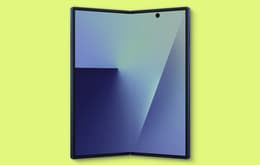
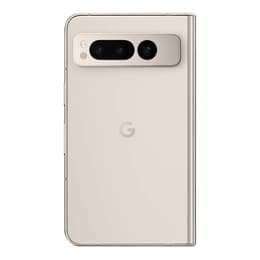

Google Pixel 9a Vs Google Pixel Fold

Google Pixel 9a
Google Pixel 9a
Starting at

Refurbished price:£319.00

Versus £499.00 new

See options
Google Pixel Fold
Google Pixel Fold
Starting at

Refurbished price:£371.00

Versus £1,499.00 new

See options

Ratings

The Google Pixel 9A (2025) and the Google Pixel Fold (2023) represent two distinct philosophies within the smartphone market. While the Pixel 9A is a modern, traditional smartphone designed for efficiency and longevity, the Pixel Fold is a versatile device that transforms from a standard phone into a small tablet. Both devices operate on the Android platform, offering a clean software experience directly from Google, but they cater to very different user habits and physical requirements.

The primary differentiator between these two models is their form factor: one is a lightweight, durable slab, while the other is a sophisticated folding device. Choosing between them involves weighing the benefits of a large, expansive workspace against the simplicity and updated internal technology of a more recent, standard release. This comparison explores how these differences impact daily use, from screen quality to long-term software support.

Scores

Durability

The release timeline of these two devices creates a significant gap in their expected functional lifespan and software support cycles. While the Pixel 9A is a newer entry into the market, the Pixel Fold represents an earlier generation of hardware that paved the way for folding technology.

  • Software Support Duration: The Pixel 9A is designed to receive operating system and security updates for a much longer period, often extending up to seven years from its launch. In contrast, the Pixel Fold, being an older model, is closer to the end of its official update window, meaning it may stop receiving new features sooner.
  • Physical Durability: The Pixel 9A features a solid, non-moving construction that is naturally more resistant to dust and mechanical wear. The Pixel Fold utilizes a complex hinge and a flexible internal display, which, while engineered for thousands of folds, requires more careful handling to maintain its integrity over several years.
  • Repairability and Maintenance: Standard smartphones like the Pixel 9A are generally easier for technicians to service due to their straightforward internal layout. The Pixel Fold’s intricate design and multiple screens make repairs more specialised and complex, which is a factor for users planning to keep their device for a long duration.

Year of Release

2025

2023

Compatible with latest Update

Yes

Yes

OS

Android

Android

Foldable

No

Yes

Performance

Performance on these devices is shaped by the era of their internal components, with the newer Pixel 9A offering more modern efficiency while the Pixel Fold focuses on heavy-duty multitasking capabilities.

  • System Responsiveness: The Pixel 9A handles everyday tasks, such as launching apps and navigating the interface, with a high degree of fluidity thanks to its more recent internal architecture. While the Pixel Fold remains capable, users may notice slightly slower loading times when opening demanding applications compared to the newer model.
  • Multitasking and Productivity: The Pixel Fold is specifically designed for users who need to run multiple apps simultaneously. Its large internal screen allows for a split-screen experience that is far more functional than the standard multitasking found on the Pixel 9A, making it better suited for professional workflows.
  • Battery Efficiency: The Pixel 9A is optimised for lower power consumption, often allowing it to last through a full day of heavy use with ease. The Pixel Fold has a larger battery capacity, but because it must power two separate displays—one of which is quite large—it may require more frequent charging for users who spend a lot of time using the internal screen.

Memory (GB)

8 GB

12 GB

Screen quality

The display experience is where these two devices diverge most sharply, offering users a choice between traditional clarity and expansive, foldable versatility.

  • Display Technology and Layout: The Pixel 9A features a single, high-quality OLED display that provides vibrant colours and deep blacks in a familiar format. The Pixel Fold offers two screens: a functional outer display for quick tasks and a massive internal folding screen that provides a tablet-like experience for reading or watching videos.
  • Outdoor Visibility: The Pixel 9A is engineered with high peak brightness levels, making it very easy to read text and view photos even under direct sunlight. The Pixel Fold’s internal screen, while impressive in size, can sometimes struggle with reflections due to the protective layer required for the folding mechanism.
  • Viewing Experience: For users who prioritise media consumption, the Pixel Fold’s internal display offers an immersive canvas that is unmatched by standard phones. However, the Pixel 9A provides a more consistent and uniform viewing experience without the slight crease that is inherent to folding screen technology.

Resolution

2424 x 1080

1840 x 2208

Audiovisual

Both devices lean heavily into Google’s reputation for excellent photography, though they use different hardware configurations to achieve their results.

  • Camera Versatility: The Pixel Fold includes a dedicated telephoto lens, allowing users to capture clear photos from a distance. The Pixel 9A lacks this specific hardware, instead relying on high-resolution sensors and software processing to maintain detail when zooming in on subjects.
  • Image Processing and AI: Because it is a newer device, the Pixel 9A benefits from more advanced software optimisations that help in challenging lighting conditions. This results in photos that often look more balanced and natural, particularly in low-light environments or when capturing fast-moving subjects.
  • Video and Audio Capture: Both phones record high-quality video with effective stabilisation, but the Pixel Fold’s unique design allows it to act as its own tripod when partially folded. This is particularly useful for video calls or time-lapse recordings, while the Pixel 9A offers a more traditional handheld filming experience with clear, focused microphone pickup.

Front camera

13 megapixels

8 megapixels

Miscellaneous

Practical daily considerations such as weight, connectivity, and physical materials further distinguish these two smartphones for different types of users.

  • Weight and Portability: The Pixel 9A is a lightweight device that is easy to use with one hand and fits comfortably in most pockets. The Pixel Fold is significantly heavier and bulkier, which may be a drawback for users who prefer a more discreet and portable phone.
  • Build Materials: The Pixel 9A uses a combination of durable glass and composite materials that feel sturdy yet practical. The Pixel Fold features a more complex build involving stainless steel and glass, giving it a substantial feel that reflects its sophisticated mechanical nature.
  • Connectivity and Security: Both devices support 5G networks and modern Wi-Fi standards for fast internet speeds. They also feature secure biometric unlocking, with the Pixel 9A typically using an under-display sensor and the Pixel Fold integrating the fingerprint reader into the power button for easy access whether the device is open or closed.

Weight

186 g

283 g

Screen size (in)

6.3

7.6

Mobile network

5G

5G

SIM card

Physical SIM + eSIM

Physical SIM + eSIM

Carrier compatibility

Unlocked

Unlocked

Connector

USB-C

USB-C

In summary, the Google Pixel 9A and the Google Pixel Fold serve very different needs. User feedback for the Pixel 9A often highlights its exceptional reliability, long-term software support, and comfortable, lightweight design. It is frequently praised by those who want a straightforward smartphone that performs consistently over many years. On the other hand, the Pixel Fold is celebrated by enthusiasts and professionals for its transformative screen, which makes reading, gaming, and multitasking far more engaging, though some users note its weight as a significant trade-off.

Users who prioritise a durable, modern device with the longest possible software lifespan will find the Pixel 9A to be a highly practical choice. Those who value a larger screen for productivity or media consumption, and who don't mind a heavier device, may find the Pixel Fold more aligned with their priorities. Choosing a quality-assured refurbished option is an eco-friendly alternative that allows you to enjoy these advanced features while supporting a more sustainable electronics lifecycle. Ultimately, the Pixel 9A is the choice for longevity and simplicity, while the Pixel Fold is for those seeking a more versatile, multi-functional mobile experience.


See all articles

Our recent comparisons