
Compare models
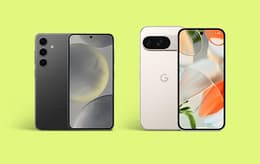
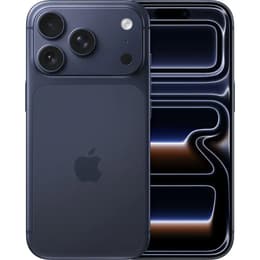
Google Pixel 9 Pro XL Vs iPhone 17 Pro
- 1-year minimum warranty
- Free delivery on all items
- Free 30-day returns
Differences at a glance
The Google Pixel 9 Pro XL (2024) and the iPhone 17 Pro (2025) represent premium options in the large-format smartphone market, each offering distinct approaches to mobile computing. While both devices deliver high-end functionality, the Pixel 9 Pro XL runs on the Android operating system with an emphasis on integrated artificial intelligence features, whereas the iPhone 17 Pro operates on Apple's iOS ecosystem with a focus on deep hardware and software integration. Choosing between them often depends on software preferences and daily workflow requirements.
Available Models
Colour
Storage
Scores
Durability
When evaluating the longevity and maintenance of these smartphones, both models offer extensive software support and sturdy physical designs suited for long-term daily use.
- Software support timelines: Both manufacturers provide multi-year operating system updates and security patches, with Google offering a lengthy seven-year support window and Apple typically supporting devices for a similar extended duration.
- Repairability and durability: Both models feature robust glass and metal enclosures paired with high water-resistance ratings, though availability of modular parts and local repair options can vary depending on regional service networks.
- Expected practical lifespan: Built with current-generation components and ample system memory, both devices are equipped to maintain reliable performance and handle future software requirements for many years as a quality-assured refurbished option.
Year of Release
2024
2025
Compatible with latest Update
Yes
Yes
OS
Android
iOS
Foldable
No
No
Performance
Performance and daily responsiveness vary between the two devices based on their respective processor architectures and memory management systems.
- Everyday multitasking and app loading: Both smartphones handle demanding mobile applications, swift web browsing, and heavy background tasks smoothly without noticeable stutter or lag.
- Storage and memory configurations: Each device offers multiple high-capacity internal storage tiers paired with generous random access memory to keep multiple resource-heavy applications active simultaneously.
- Thermal efficiency during intensive tasks: Advanced cooling designs help both models maintain stable processing speeds during extended gaming sessions or high-resolution video export tasks, keeping thermal throttling to a minimum.
Screen quality
Display technology on both smartphones emphasizes visual clarity, deep contrast levels, and smooth motion handling for all types of media consumption.
- Panel technology and brightness: Both devices utilize advanced organic light-emitting diode displays capable of exceptional peak brightness levels, ensuring sharp text and vivid images even under direct sunlight.
- Refresh rate and fluidity: Adaptive refresh rate technology allows both screens to scale dynamically from low frequencies for static content up to high refresh rates for smooth scrolling and responsive gaming.
- Viewing experience and size: Each model provides an expansive screen real estate suited for productivity tasks, reading, and watching video content, complemented by slim bezels and accurate color reproduction.
Resolution
1344 x 2992
2622x1206
Screen type
LTPO OLED
Super Retina XDR
Audiovisual
Camera systems on these flagship devices utilize sophisticated multi-lens setups and advanced image processing to capture detailed photos and stable videos.
- Lens versatility: Both smartphones feature high-resolution main sensors, ultra-wide lenses, and dedicated telephoto zoom capabilities that adapt well to various distances and lighting scenarios.
- Low-light and video performance: Enhanced computational photography allows both models to capture clear, noise-reduced images in dark environments, alongside high-bitrate video recording options featuring advanced stabilization.
- Audio and media output: Stereo speaker setups on both devices deliver balanced sound output for calls and media playback, supported by sensitive microphone arrays that isolate voice input effectively.
Main camera
50 megapixels
48 megapixels
Front camera
42 megapixels
18 megapixels
Miscellaneous
Physical design attributes and connectivity standards shape how each smartphone integrates into everyday travel and communication setups.
- Connectivity and ports: Both devices support modern 5G networks, fast Wi-Fi standards, and Bluetooth connections, utilizing a universal USB-C port for charging and data transfer.
- Biometrics and physical handling: Security features include responsive facial recognition and secure fingerprint authentication, housed within bodies that balance screen size with ergonomic grip design.
- Build composition: Durable framing materials and textured glass backs contribute to structural integrity while helping resist daily wear and accidental drops.
Weight
221 g
206 g
Screen size (in)
6.8
6.3
Mobile network
5G
5G
SIM card
Physical SIM + eSIM
Physical SIM + eSIM
Carrier compatibility
Unlocked
Unlocked
Connector
USB-C
USB-C
What the community thinks
User feedback from online communities highlights distinct preferences for each device based on personal ecosystem habits. Owners of the Google Pixel 9 Pro XL frequently praise its clean software interface, intuitive voice-driven assistance tools, and reliable photo processing capabilities. Conversely, users of the iPhone 17 Pro often emphasize appreciation for its streamlined ecosystem integration, consistent video recording quality, and robust build engineering. Users prioritizing deep integration with Apple services and accessories may prefer the iPhone 17 Pro, while users leaning toward customizable Android features and integrated AI tools will find the Google Pixel 9 Pro XL well-suited to their needs.
Choosing either model as an eco-friendly refurbished alternative provides a sustainable path to high-end mobile technology without compromising on modern specifications or everyday reliability.