
Google Pixel 9 Pro XL Vs iPhone 16 Plus

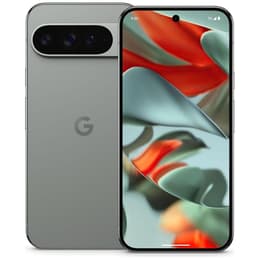
Google Pixel 9 Pro XL
Starting at

Refurbished price:£383.00

Versus £1,093.99 new

See options
iPhone 16 Plus
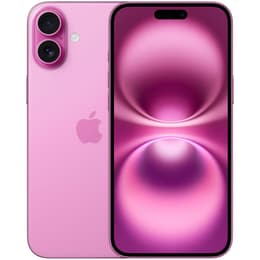
iPhone 16 Plus
Starting at

Refurbished price:£502.00

Versus £799.00 new

See options

Ratings

The Google Pixel 9 Pro XL, released in August 2024, and the iPhone 16 Plus, launched in September 2024, represent distinct approaches to the large-screen smartphone experience. While both devices offer robust performance and advanced camera systems, they differentiate themselves through their operating systems and core philosophies. The Pixel 9 Pro XL operates on Android, emphasizing AI-driven features and a customizable user interface, whereas the iPhone 16 Plus runs on iOS, focusing on a streamlined ecosystem and integrated services. These differences influence everything from software longevity to user interaction.

Scores

Durability

When considering the long-term usability of a smartphone, software support and physical durability are key factors. Both the Google Pixel 9 Pro XL and the iPhone 16 Plus offer substantial longevity, though their approaches differ.

  • Software Updates: The Google Pixel 9 Pro XL is designed to receive seven years of major Android updates, extending its software support until Android 22. This commitment ensures users have access to the latest features and security enhancements for an extended period. The iPhone 16 Plus typically receives major iOS updates for five to seven years, with additional security patches beyond that, meaning it is expected to receive updates until approximately 2036.
  • Physical Durability: The iPhone 16 Plus features a Ceramic Shield front cover, which is designed for enhanced drop performance, and a glass back. Both devices are expected to offer robust build quality with durable materials. The Pixel 9 Pro XL features a durable glass back and a polished aluminum frame, with Gorilla Glass Victus 2 protecting its display.
  • Repairability: While specific repairability scores can vary, both manufacturers generally provide repair services and parts for several years after a device's release. Users seeking to extend the life of their device beyond its initial purchase can consider quality-assured refurbished options, which offer a sustainable choice.

Year of Release

2024

2024

Compatible with latest Update

Yes

Yes

Foldable

No

No

Performance

The performance capabilities of the Google Pixel 9 Pro XL and the iPhone 16 Plus cater to demanding applications and efficient multitasking, though they achieve this with different underlying hardware.

  • Processing Power: The Google Pixel 9 Pro XL is equipped with the Google Tensor G4 processor, designed to handle complex AI tasks and deliver smooth performance across applications and gaming. The iPhone 16 Plus integrates the Apple A18 chip, which features a 6-core CPU, 5-core GPU, and a 16-core Neural Engine, providing significant performance improvements for demanding apps and graphics-intensive games.
  • Multitasking and Storage: The Pixel 9 Pro XL comes with 16GB of RAM, facilitating seamless transitions between numerous open applications and intensive background processes. It offers storage options up to 1TB. The iPhone 16 Plus includes 8GB of RAM and is available with up to 512GB of internal storage, providing ample space and efficient multitasking for most users.
  • Battery Behavior: The Pixel 9 Pro XL houses a 5060 mAh battery, designed to support extended usage throughout the day. The iPhone 16 Plus features a 4674 mAh battery, which, combined with software optimizations, aims to provide reliable power for daily activities.

Memory (GB)

16 GB

8 GB

Screen quality

Both devices offer large, vibrant displays, but they differ in their underlying technology and refresh rate capabilities, impacting the visual experience.

  • Display Technology and Size: The Google Pixel 9 Pro XL features a 6.8-inch OLED display, offering deep blacks and rich colors. The iPhone 16 Plus comes with a 6.7-inch Super Retina XDR OLED display, known for its color accuracy and contrast.
  • Resolution and Clarity: The Pixel 9 Pro XL's display has a resolution of 2992x1344 pixels, resulting in a pixel density of 487 PPI, providing sharp and detailed visuals. The iPhone 16 Plus offers a resolution of 2796x1290 pixels with a pixel density of 460 PPI, delivering clear text and images.
  • Brightness and Smoothness: The Pixel 9 Pro XL's screen supports a variable refresh rate from 1Hz to 120Hz, contributing to smooth scrolling and responsiveness, and can reach a peak brightness of 3000 nits. The iPhone 16 Plus maintains a 60Hz refresh rate and offers a typical maximum brightness of 1000 nits, with peak HDR brightness of 1600 nits and peak outdoor brightness of 2000 nits.

Resolution

1344 x 2992

1290 x 2796

Screen type

LTPO OLED

Super Retina XDR OLED

Audiovisual

The camera systems on the Google Pixel 9 Pro XL and the iPhone 16 Plus are designed to capture high-quality images and videos, each with its own strengths in computational photography and hardware.

  • Rear Camera System: The Google Pixel 9 Pro XL features a triple-lens rear camera setup, including a 50MP main sensor, a 48MP ultrawide lens with macro autofocus, and a 48MP telephoto lens capable of 5x optical zoom. The iPhone 16 Plus has a dual-camera system with a 48MP main camera, which can achieve a 2x telephoto effect through cropping, and a 12MP ultrawide lens. Its cameras are vertically aligned to support Spatial Capture for 3D photos and videos.
  • Photography Features: The Pixel 9 Pro XL emphasizes AI-powered photography, delivering images with high contrast and vibrant colors, and includes features like 'Add Me'. The iPhone 16 Plus offers features such as Photonic Engine and Smart HDR 5, and introduces macro photography for the first time on a non-Pro model.
  • Video Capabilities: Both devices support 4K video recording at up to 60 frames per second. The Pixel 9 Pro XL can achieve 8K video through cloud-based upscaling. The iPhone 16 Plus supports Dolby Vision video recording, Cinematic mode, Action mode, and Spatial video recording. The front camera on the Pixel 9 Pro XL is 42MP, while the iPhone 16 Plus has a 12MP front camera.

Main camera

50 megapixels

48 megapixels

Front camera

42 megapixels

12 megapixels

Miscellaneous

Beyond core specifications, several practical elements contribute to the overall user experience and daily functionality of these devices.

  • Connectivity and Ports: The Google Pixel 9 Pro XL supports Ultra Wideband (UWB) connectivity, and features a USB-C port. The iPhone 16 Plus offers comprehensive connectivity with 5G, Wi-Fi 7, Bluetooth 5.3, and includes Apple's second-generation Ultra Wideband chip. It also uses a USB-C port, though with USB 2.0 speeds.
  • Design and Handling: The Pixel 9 Pro XL features a design with more rounded corners and flat side rails, and a redesigned camera bar that is matte and does not extend to the edges. The iPhone 16 Plus maintains the flat-edge design and incorporates an Action button and a new Camera Control button for enhanced user interaction.
  • Security and AI Features: The Pixel 9 Pro XL includes a Titan M2 security coprocessor and integrates advanced AI features like Gemini and Gemini Live. The iPhone 16 Plus features Face ID for authentication and integrates Apple Intelligence across its apps and experiences, enhancing communication and productivity.

Weight

221 g

199 g

Screen size (in)

6.8

6.7

Mobile network

5G

5G

SIM card

Physical SIM + eSIM

Physical SIM + eSIM

Carrier compatibility

Unlocked

Unlocked

Connector

USB-C

USB-C (USB 2)

The Google Pixel 9 Pro XL and the iPhone 16 Plus each offer a compelling smartphone experience, catering to different user preferences. Users often praise the Pixel series for its advanced computational photography and deep integration of AI features, which enhance everything from image processing to daily tasks. Criticisms sometimes focus on the consistency of battery life compared to some competitors, though the Pixel 9 Pro XL aims to address this with its larger battery capacity. The iPhone 16 Plus is frequently lauded for its robust ecosystem, consistent performance, and long-term software support, with users appreciating the intuitive iOS experience. Some common feedback for the standard iPhone models includes the absence of a high refresh rate display, a feature typically reserved for the Pro variants.

Users prioritizing a highly intelligent and customizable Android experience, with a focus on cutting-edge camera technology and extensive software support, may find the Google Pixel 9 Pro XL well-suited to their needs. Its large display and powerful processor are ideal for those who engage in heavy multitasking and appreciate AI-driven enhancements. Conversely, individuals who value a seamless and secure ecosystem, consistent performance, and a device with a strong track record for long-term software updates will likely lean towards the iPhone 16 Plus. Its integrated features and durable design make it a reliable choice for everyday use. Both devices are available as quality-assured refurbished options, providing an eco-friendly alternative for consumers.

See all articles

Our recent comparisons