
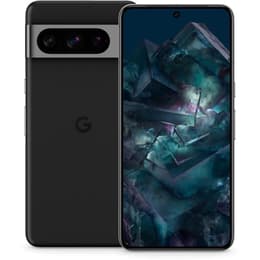
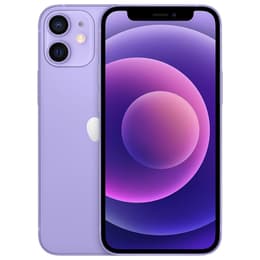

Google Pixel 8 Pro Vs iPhone 12 mini

Google Pixel 8 Pro
Google Pixel 8 Pro
Starting at

Refurbished price:£253.00

Versus £960.91 new

See options
iPhone 12 mini
iPhone 12 mini
Starting at

Refurbished price:£126.00

Versus £579.00 new

See options

Ratings

The Google Pixel 8 Pro (2023) and the iPhone 12 Mini (2020) represent two very different philosophies in the smartphone market. While the Pixel 8 Pro is a modern, large-format flagship designed for maximum screen real estate and advanced software features, the iPhone 12 Mini is a compact device built for easy one-handed use and portability. These devices run on Android and iOS respectively, offering distinct ecosystems for users. Choosing between them involves weighing the benefits of a contemporary, large-screen experience against a classic, pocket-friendly design that is increasingly rare in today's market.

Scores

Durability

The Pixel 8 Pro offers a significantly longer software commitment compared to the older iPhone 12 Mini, reflecting the three-year gap between their release dates.

  • Software Longevity: The Pixel 8 Pro is supported with operating system and security updates for seven years from its launch, meaning it remains current until 2030. In contrast, the iPhone 12 Mini, released in 2020, is closer to the end of its official support cycle, though it still receives regular updates for the time being.
  • Physical Build and Repair: Both devices feature robust glass and metal constructions, but the Pixel 8 Pro uses more recent glass technology for improved scratch resistance. Choosing a quality-assured refurbished option for either model ensures the device has been inspected for structural integrity and functional longevity.
  • Maintenance: The iPhone 12 Mini has a well-established repair network, making it relatively simple to find replacement parts like batteries, whereas the Pixel 8 Pro benefits from a manufacturer-supported repair programme that encourages long-term ownership through easier access to genuine components.

Year of Release

2023

2020

Compatible with latest Update

Yes

Yes

Foldable

No

No

Performance

These smartphones handle daily tasks with different levels of efficiency based on their age and battery capacity, impacting how they feel during heavy use.

  • System Responsiveness: The Pixel 8 Pro utilises a modern processor that handles demanding multitasking and high-end applications without hesitation. The iPhone 12 Mini remains responsive for everyday browsing and social media, though users may notice slightly longer loading times for the most intensive modern apps compared to the newer Pixel.
  • Battery Endurance: Due to its large physical size, the Pixel 8 Pro houses a high-capacity battery that typically lasts through a full day of heavy use. The iPhone 12 Mini features a much smaller battery to maintain its compact form, which often requires a mid-day charge for users who frequently use navigation or video streaming.
  • Multitasking Capability: With a higher amount of temporary memory, the Pixel 8 Pro can keep more applications open in the background without closing them. The iPhone 12 Mini may need to refresh apps more frequently when switching between several tasks, though its system remains efficient for standard workflows.

Memory (GB)

12 GB

4 GB

Screen quality

The viewing experience differs vastly between these two models in terms of scale, fluidity, and brightness, catering to different visual preferences.

  • Display Technology: Both phones use OLED technology, providing deep blacks and high contrast for a vibrant look. However, the Pixel 8 Pro features a much larger 6.7-inch display compared to the 5.4-inch screen on the iPhone 12 Mini, making it better suited for watching videos or reading long documents.
  • Smoothness of Motion: The Pixel 8 Pro includes a high refresh rate that adjusts up to 120Hz, resulting in very smooth scrolling and animations. The iPhone 12 Mini operates at a standard 60Hz, which is functional and clear but lacks the fluid visual feel found on more modern flagship displays.
  • Outdoor Visibility: The Pixel 8 Pro is designed to reach very high brightness levels, ensuring the screen remains clear even under direct sunlight. The iPhone 12 Mini is legible outdoors but may struggle more with glare in extremely bright environments compared to the newer technology in the Pixel.

Resolution

1344 x 2992

1080 x 2340

Screen type

LTPO OLED

Super Retina XDR OLED

Audiovisual

Photography and media playback are areas where the generational gap between these devices is most apparent, especially regarding zoom and low-light capabilities.

  • Camera Versatility: The Pixel 8 Pro features a triple-lens system, including a dedicated telephoto lens for high-quality zoomed images. The iPhone 12 Mini uses a dual-lens setup that lacks a dedicated zoom, though it still captures clear, natural-looking photos in standard and wide-angle modes.
  • Low-Light Performance: Using advanced software processing, the Pixel 8 Pro excels at brightening dark scenes and reducing grain in night-time photography. The iPhone 12 Mini performs well in dim lighting but cannot match the clarity and detail found in the newer model's specialised night modes.
  • Audio Experience: The larger body of the Pixel 8 Pro allows for speakers with more depth and volume, creating a more immersive experience for media. The iPhone 12 Mini provides clear audio for calls and videos but lacks the bass response and loudness of its much larger counterpart.

Main camera

50 megapixels

12 megapixels

Front camera

10.5 megapixels

12 megapixels

Miscellaneous

Practical considerations like physical dimensions and connectivity play a major role in daily satisfaction and how the device fits into your lifestyle.

  • Portability and Handling: The iPhone 12 Mini is exceptionally light and small, fitting easily into any pocket and allowing for effortless one-handed operation. The Pixel 8 Pro is a substantial device that usually requires two hands for comfortable use and takes up significantly more space in a bag or pocket.
  • Connectivity and Ports: Both devices support 5G for fast mobile data. The Pixel 8 Pro uses a universal USB-C port for charging and data transfer, while the iPhone 12 Mini uses the Lightning connector, which may require specific cables if you are moving from other modern electronics.
  • Security Features: The Pixel 8 Pro offers both a fingerprint sensor under the glass and facial recognition for unlocking. The iPhone 12 Mini relies solely on facial recognition, which is highly secure and works well in most lighting conditions, though it lacks a fingerprint alternative.

Weight

213 g

135 g

Screen size (in)

6.7

5.4

Mobile network

5G

5G

SIM card

Physical SIM + eSIM

Physical SIM + eSIM

Carrier compatibility

Unlocked

Unlocked

According to community discussions and user forums, the Pixel 8 Pro is frequently praised for its exceptional camera capabilities and the fluidity of its large, bright display. However, some users find its physical size cumbersome for daily carry and prefer something more manageable. On the other hand, the iPhone 12 Mini remains a favourite among those who miss smaller phones, with many users appreciating how easily it fits into a pocket and how light it feels during long calls. The most common criticism for the Mini is its battery life, which many report is insufficient for a full day of active use without a top-up.

Users who prioritise a modern photography experience, long-term software support, and a large screen for media consumption will find the Pixel 8 Pro aligns well with their needs. Conversely, those who value portability, one-handed usability, and the iOS ecosystem may lean toward the iPhone 12 Mini. Choosing a sustainable choice like a quality-assured refurbished device allows users to access these features while reducing environmental impact. Ultimately, the decision rests on whether you prefer a feature-rich, large-format modern smartphone or a compact, classic device that focuses on the essentials of the mobile experience.

See all articles

Our recent comparisons






