
Smartphones
Compare models
Differences at a glance
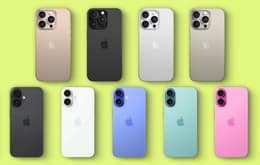
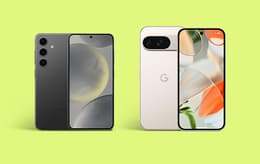
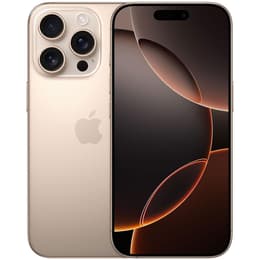
The Google Pixel 7, released in October 2022, and the iPhone 16 Pro, launched in September 2024, represent distinct approaches to the premium smartphone experience. While both devices offer advanced capabilities, they differ significantly in their operating systems, camera systems, and display technologies. The Pixel 7 operates on Android, emphasizing Google's AI-driven features, whereas the iPhone 16 Pro runs on iOS, focusing on a cohesive ecosystem and robust performance.
Colour
Storage
The longevity of a smartphone is influenced by its release timeline, software support, and physical durability. These factors determine how long a device remains functional and receives essential updates.
Year of Release
Compatible with latest Update
Foldable
Performance in smartphones is about more than just raw speed; it encompasses how smoothly applications run, how efficiently the battery is managed, and the overall responsiveness of the system during daily tasks.
The display is a primary interface for smartphone interaction, and differences in technology, resolution, and brightness significantly impact the viewing experience.
Resolution
Screen type
Camera capabilities are a crucial aspect for many users, with both hardware and software playing significant roles in image and video quality.
Main camera
Front camera
Beyond core features, several practical elements contribute to the overall user experience, from connectivity to physical design.
Weight
Screen size (in)
Mobile network
SIM card
Carrier compatibility
The Google Pixel 7 and iPhone 16 Pro cater to different user preferences, each excelling in distinct areas. Users often praise the Pixel 7 for its exceptional camera software, delivering consistent and high-quality photos with minimal effort, particularly its AI-driven features like Photo Unblur. Its clean Android experience and timely updates are also frequently highlighted. Some common criticisms, however, include its 90Hz display not matching the smoother 120Hz of some competitors and battery life that, while generally sufficient, may not satisfy the heaviest users.
The iPhone 16 Pro typically receives acclaim for its powerful performance, fluid 120Hz ProMotion display, and a highly capable, versatile camera system that includes a dedicated telephoto lens. Its robust build quality and long-term software support are also strong points. User feedback often points to its consistent ecosystem experience and strong privacy features.
Users prioritizing an intuitive, AI-enhanced photography experience and a pure Android interface may find the Google Pixel 7 well-suited to their needs. Those who value cutting-edge performance, a highly responsive display, a comprehensive camera array, and a longer software support window within the iOS ecosystem will likely lean toward the iPhone 16 Pro. Both devices offer compelling features, and for those seeking a more environmentally conscious purchase, a quality-assured refurbished option provides a reliable and sustainable choice.