
Smartphones
Compare models
Differences at a glance
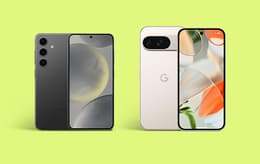
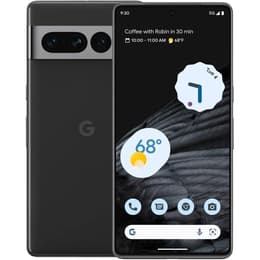
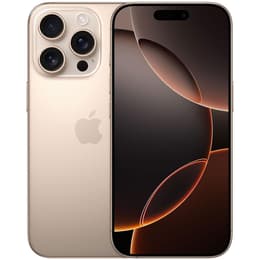
The Google Pixel 7 Pro, released in October 2022, and the iPhone 16 Pro, launched in September 2024, represent distinct approaches to high-end smartphone design and functionality. While both devices offer premium experiences, they cater to different user preferences through their respective operating systems, camera philosophies, and overall ecosystems. The Pixel 7 Pro runs on Android, emphasizing Google's AI capabilities and a clean software experience, whereas the iPhone 16 Pro operates on iOS, focusing on powerful performance, a cohesive ecosystem, and advanced video features.
Colour
Storage (GB)
When considering the longevity of these devices, their release timelines and software support policies are key factors.
Year of Release
Compatible with latest Update
Foldable
The performance of a smartphone is crucial for daily use, influencing everything from app responsiveness to multitasking capabilities.
The display is a primary interface for smartphone interaction, and both devices offer high-quality viewing experiences with distinct characteristics.
Resolution
Screen type
Both the Google Pixel 7 Pro and the iPhone 16 Pro are recognized for their advanced camera systems, though they approach photography with different strengths.
Main camera
Front camera
Beyond core features, several practical elements contribute to the overall user experience of these smartphones.
Weight
Screen size (in)
Mobile network
SIM card
Carrier compatibility
The Google Pixel 7 Pro and iPhone 16 Pro offer distinct yet compelling smartphone experiences, each with its own set of strengths and user appeal. User feedback for the Pixel 7 Pro often highlights its exceptional camera capabilities, particularly its computational photography and natural image processing, along with a clean Android software experience and useful AI integrations. Some users have noted that its battery life can be inconsistent for heavy usage and that its raw processing power might lag behind some rivals. The iPhone 16 Pro is frequently praised for its top-tier performance, robust ecosystem, and class-leading video recording. Reviewers have sometimes pointed to its software as occasionally buggy at launch and its secondary cameras as less remarkable compared to the main sensor.
Users prioritizing an intuitive Android experience, advanced computational photography, and Google's integrated AI features may find the Pixel 7 Pro well-suited to their needs. Those who value raw processing power for demanding applications, superior video capabilities, a tightly integrated ecosystem, and longer software support will likely lean towards the iPhone 16 Pro. Both devices represent excellent choices in the premium smartphone segment, and for those considering a more sustainable option, quality-assured refurbished versions of either model can provide an eco-friendly alternative.