
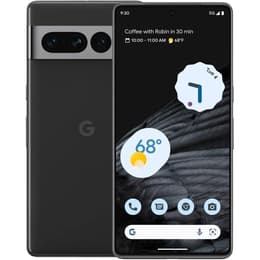
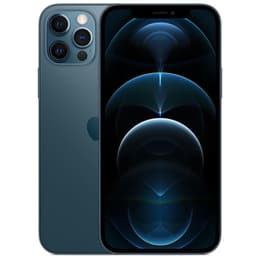

Google Pixel 7 Pro Vs iPhone 12 Pro

Google Pixel 7 Pro
Google Pixel 7 Pro
Starting at

Refurbished price:£169.75

Versus £899.99 new

See options
iPhone 12 Pro
iPhone 12 Pro
Starting at

Refurbished price:£205.00

Versus £879.00 new

See options

Ratings

The Google Pixel 7 Pro, released in 2022, and the iPhone 12 Pro, launched in 2020, represent different eras of flagship smartphone design. While the Pixel 7 Pro offers a modern, large-screen experience with advanced photography features, the iPhone 12 Pro remains a compact and durable choice for those within the Apple ecosystem. These devices run on Android and iOS respectively, offering distinct software experiences that cater to different user preferences for customisation and integration.

Choosing between these two models involves weighing the benefits of a newer, larger device against a slightly older but highly efficient and well-built alternative. Both smartphones continue to provide a high-quality experience for daily tasks, media consumption, and photography in 2026.

Scores

Durability

The Pixel 7 Pro is two years newer than the iPhone 12 Pro, which naturally impacts its software support timeline and overall expected lifespan.

  • Software Longevity: The Pixel 7 Pro is expected to receive security updates until late 2027, providing a few more years of protected use. The iPhone 12 Pro, despite Apple's history of long-term support, is approaching the later stages of its major operating system update cycle, though it remains highly functional for current applications.
  • Build Resilience: The iPhone 12 Pro features a stainless steel frame and Ceramic Shield glass, which provides significant resistance to drops and scratches. The Pixel 7 Pro uses a polished aluminium frame and Gorilla Glass Victus, offering modern durability but with a different aesthetic feel.
  • Repairability: Both manufacturers have made strides in repair accessibility, though the Pixel 7 Pro is often noted for having a slightly more modular internal layout for screen and battery replacements compared to the more tightly integrated components of the iPhone.

Year of Release

2022

2020

Compatible with latest Update

Yes

Yes

OS

Android

iOS

Foldable

No

No

Performance

Performance on these devices remains fluid for everyday tasks, though they handle power management and multitasking in different ways based on their internal hardware.

  • System Responsiveness: The Pixel 7 Pro excels in smart features like real-time translation and voice typing, maintaining a smooth feel during heavy multitasking. The iPhone 12 Pro remains remarkably quick for app launches and social media, though it may show its age slightly more when running the most demanding modern games or high-resolution video editing software.
  • Battery Endurance: With a larger physical footprint, the Pixel 7 Pro houses a high-capacity battery that typically lasts through a full day of mixed use. The iPhone 12 Pro has a smaller battery capacity, which may require more frequent charging for users who rely heavily on GPS navigation or video streaming throughout the day.
  • Storage and Memory: Both devices offer ample storage options starting at 128GB, but the Pixel 7 Pro includes more temporary memory (RAM), which helps keep more apps open in the background without them needing to restart when you switch back to them.

Memory (GB)

12 GB

6 GB

Screen quality

The viewing experience differs significantly due to the display technology and physical dimensions of each handset, impacting how users interact with content.

  • Display Fluidity: The Pixel 7 Pro features a high refresh rate that adjusts up to 120Hz, making scrolling through lists and system animations appear exceptionally smooth. The iPhone 12 Pro is limited to a standard 60Hz refresh rate, which is functional and clear but lacks the same level of visual fluidity found on the newer Pixel.
  • Size and Clarity: Users who enjoy media consumption will appreciate the Pixel's 6.7-inch curved display with high pixel density for sharp details. In contrast, the iPhone 12 Pro offers a 6.1-inch flat screen that is easier to navigate with one hand while still providing excellent colour accuracy and high brightness for outdoor visibility.
  • Panel Technology: Both use OLED technology, ensuring deep blacks and high contrast, but the Pixel's screen can reach higher peak brightness levels, which is particularly helpful when using the device in direct sunlight or viewing high-dynamic-range content.

Resolution

1440 x 3120

1170 x 2532

Screen type

LTPO AMOLED

Super Retina XDR OLED

Audiovisual

Photography is a primary focus for both models, though they excel in different areas of image and video capture depending on the user's creative needs.

  • Zoom Capabilities: The Pixel 7 Pro includes a dedicated telephoto lens capable of 5x optical zoom, allowing for clear photos of distant subjects. The iPhone 12 Pro offers a 2x optical zoom, which is well-suited for portraits and close-range subjects but lacks the reach for wildlife or stadium photography.
  • Video Production: The iPhone 12 Pro is widely recognised for its consistent video quality and the ability to record in high-quality colour formats, making it a preferred choice for mobile content creators. The Pixel 7 Pro counters with impressive software-based stabilisation and cinematic blur effects for a more artistic look.
  • Low-Light Performance: Both devices handle dark environments well, but the Pixel 7 Pro often produces brighter, more detailed night shots through its advanced software processing, while the iPhone 12 Pro uses a specialised depth sensor to focus quickly and accurately in low-light conditions.

Main camera

50 megapixels

12 megapixels

Front camera

10.8 megapixels

12 megapixels

Miscellaneous

Practical daily usage is influenced by the physical design and the specific hardware standards each manufacturer employs for connectivity and security.

  • Connectivity and Ports: The Pixel 7 Pro uses the universal USB-C standard for charging and data transfer, which is compatible with most modern electronics. The iPhone 12 Pro relies on the Lightning port, which is specific to the Apple ecosystem. Both support 5G connectivity for fast mobile data speeds.
  • Biometric Security: The iPhone 12 Pro uses a secure facial recognition system that works reliably in most lighting conditions. The Pixel 7 Pro offers both an under-display fingerprint scanner and a facial unlock feature, providing users with multiple ways to securely access their device.
  • Dimensions and Handling: The iPhone 12 Pro is significantly lighter and narrower, making it more comfortable for users with smaller hands or those who prefer a pocket-friendly device. The Pixel 7 Pro is a larger, heavier smartphone that prioritises screen real estate over compact handling.

Weight

212 g

187 g

Screen size (in)

6.7

6.1

Mobile network

5G

5G

SIM card

Physical SIM + eSIM

Physical SIM + eSIM

Carrier compatibility

Unlocked

Unlocked

User feedback for the Google Pixel 7 Pro often highlights the intelligent feel of the software and the impressive reach of the zoom lens. However, some users find the curved screen edges prone to accidental touches and the overall size a bit cumbersome for one-handed use. The iPhone 12 Pro is frequently praised for its timeless design, stainless steel durability, and reliable video performance, though its battery life and standard refresh rate are common points of criticism when compared to more recent releases.

Choosing between these two depends largely on your priorities. Users who desire a large, immersive screen for gaming and movies, along with advanced long-range photography, will find the Pixel 7 Pro aligns well with their needs. Conversely, those who prefer a more compact, sturdy device that integrates seamlessly with other Apple products and provides consistent video quality may lean toward the iPhone 12 Pro. Opting for a quality-assured refurbished option is a sustainable choice that allows you to access these high-end features while reducing electronic waste.

Both smartphones remain capable performers in 2026, offering a professional-grade experience for different types of mobile users. As an eco-friendly alternative, choosing a refurbished model ensures these devices continue to provide utility for years to come while supporting a more circular economy.

See all articles

Our recent comparisons







