
Compare models

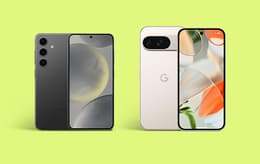
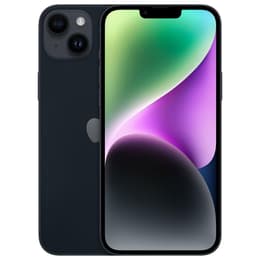
Google Pixel 10 Vs iPhone 14 Plus

  • 1-year minimum warranty
  • Free delivery on all items
  • Free 30-day returns
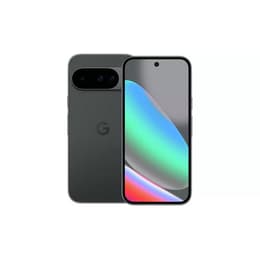
Google Pixel 10
Starting at

Refurbished price:£412.00

Versus £999.00 new

See options
iPhone 14 Plus
Starting at

Refurbished price:£253.00

Versus £699.00 new

See options

Differences at a glance

The Google Pixel 10 (2025) and iPhone 14 Plus (2022) represent two different approaches to the large-screen smartphone category, balancing modern features with distinct operating systems. While the iPhone 14 Plus runs on iOS with a focus on seamless ecosystem integration, the Google Pixel 10 operates on Android and emphasizes deep artificial intelligence integration. Choosing between these devices depends on software preferences and whether users prioritize a newer hardware generation or an established large-screen format.

Available Models

Colour

Storage (GB)

Scores

Durability

When examining longevity, the Google Pixel 10 and iPhone 14 Plus offer differing timelines based on their release years and manufacturer support models.

  • Software Support Duration: The Google Pixel 10 benefits from an extended multi-year update policy covering both operating system upgrades and security patches. The iPhone 14 Plus receives long-term iOS updates, though its older release year means its support window concludes slightly earlier than its newer competitor.
  • Repairability and Build: Both devices feature durable glass and metal construction designed to withstand daily wear. Repair options are widely available for both models, with quality-assured refurbished options providing a sustainable choice that extends the active lifecycle of each device.

Year of Release

2025

2022

Performance

Daily operation and hardware efficiency dictate how smoothly each device handles multitasking, media consumption, and demanding applications.

  • Multitasking and App Responsiveness: The Google Pixel 10 utilizes current-generation hardware paired with optimized memory management to switch rapidly between intensive apps. The iPhone 14 Plus relies on mature processor architecture that handles everyday tasks, gaming, and background processes smoothly.
  • Battery Behavior: Both devices easily accommodate a full day of typical use, though their efficiency varies under heavy workloads like extended video streaming or navigation. Storage configurations for both models range from entry-level capacities to higher tiers for large media libraries, with neither device offering expandable storage slots.

Screen quality

Display characteristics define the visual experience, impacting clarity, outdoor visibility, and media enjoyment on large screens.

  • Display Technology and Brightness: Both smartphones feature expansive OLED displays that deliver deep blacks and vibrant colors. The Google Pixel 10 incorporates a high peak brightness level for clear visibility under direct sunlight, while the iPhone 14 Plus offers consistent color accuracy and a spacious viewing area for movies and text.
  • Refresh Rate and Smoothness: The Google Pixel 10 supports a fluid high refresh rate for scrolling and animations. The iPhone 14 Plus maintains a standard refresh rate, which handles daily interactions efficiently while conserving energy.

Audiovisual

Imaging and audio hardware shape how well each smartphone captures memories and reproduces sound for media consumption.

  • Camera Systems: The Google Pixel 10 features a dual-rear camera setup backed by advanced computational photography tools that excel at low-light shots and realistic skin tones. The iPhone 14 Plus utilizes a dual-camera system known for reliable point-and-shoot accuracy and smooth video stabilization across various lighting conditions.
  • Audio Output: Both models incorporate stereo speakers that deliver clear sound for hands-free calls and casual video viewing, though neither includes a traditional headphone jack.

Miscellaneous

Physical dimensions and connectivity options influence everyday handling, comfort, and network compatibility.

  • Connectivity and Ports: Both devices support 5G networks, modern Wi-Fi standards, and Bluetooth for accessory pairing. The Google Pixel 10 utilizes a USB-C port for charging and data transfer, whereas the iPhone 14 Plus employs Apple's proprietary Lightning connector.
  • Design and Handling: The iPhone 14 Plus offers a larger physical footprint with a lightweight aluminum frame designed for spacious viewing. The Google Pixel 10 provides a slightly more compact handling experience while maintaining a large screen size through narrower borders. Both include secure biometric authentication methods via facial recognition or fingerprint sensors.

Screen size (in)

6.3

6.7

Mobile network

5G

5G

SIM card

Physical SIM + eSIM

Physical SIM + eSIM

Carrier compatibility

Unlocked

Unlocked

Connector

USB-C

Lightning

What the community thinks

User feedback on community forums highlights distinct preferences for each device. Owners of the Google Pixel 10 frequently praise its advanced software intelligence, vibrant high-refresh-rate display, and capable photo processing tools. Conversely, users of the iPhone 14 Plus often emphasize appreciation for its reliable battery longevity, spacious screen real estate, and the straightforward nature of the iOS operating system. Common discussions occasionally note that the iPhone 14 Plus uses a standard refresh rate, while some Pixel users monitor thermal management during extended gaming sessions.

Users prioritizing extended software longevity, modern display fluidness, and advanced photography software will find the Google Pixel 10 well-suited to their needs. Meanwhile, users seeking a large-screen iOS experience with dependable battery life may prefer the iPhone 14 Plus. Choosing either model as a quality-assured refurbished option provides a sustainable choice that reduces electronic waste without compromising on core performance.