
Compare models

Google Pixel 10 Vs iPhone 14

  • 1-year minimum warranty
  • Free delivery on all items
  • Free 30-day returns
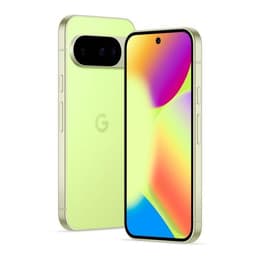
Google Pixel 10
Starting at

Refurbished price:£394.00

Versus £1,196.66 new

See options
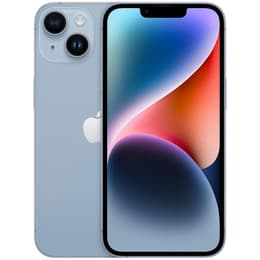
iPhone 14
Starting at

Refurbished price:£237.00

Versus £599.00 new

See options

Differences at a glance

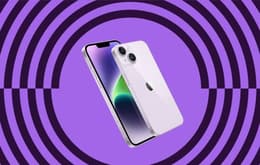
The Google Pixel 10 (2025) and the iPhone 14 (2022) represent distinct generations and ecosystems within the modern smartphone landscape. While the iPhone 14 relies on a streamlined dual-camera layout and Apple's unified software environment, the Google Pixel 10 introduces a versatile triple-lens array and runs on Android 16. Operating on different software platforms, these two devices offer contrasting approaches to daily mobile computing, satisfying different user preferences for interface design and device integration.

Available Models

Colour

Storage (GB)

Scores

Durability

When evaluating hardware longevity and software support, both smartphones offer structured timelines for updates, though their release years create a natural gap in active lifespan.

  • Release timeline and age: The iPhone 14 debuted in late 2022, whereas the Google Pixel 10 launched in late 2025, giving the Pixel a newer baseline for hardware components.
  • Software support duration: Google provides extensive major OS updates for several years, while Apple traditionally supports devices for a long duration relative to their launch date.
  • Expected practical lifespan: Users looking for extended software update windows from the present day will find the newer Google Pixel 10 provides a longer active support window.

Year of Release

2025

2022

Compatible with latest Update

Yes

Yes

OS

Android

iOS

Foldable

No

No

Performance

System responsiveness and everyday multitasking depend heavily on internal component harmony, memory allocation, and battery efficiency during regular workflows.

  • Processor capabilities: Both devices handle demanding apps, web browsing, and casual gaming smoothly, utilizing their respective current-generation processors to maintain consistent thermal efficiency.
  • RAM and multitasking: The Google Pixel 10 features ample RAM headroom for switching between intensive background applications, while the iPhone 14 utilizes efficient memory management within its operating system.
  • Battery behavior: The Google Pixel 10 houses a larger battery capacity that comfortably powers a full day of mixed use, whereas the iPhone 14's smaller battery may require a top-up during heavy usage days.

Screen quality

Display technology defines media consumption and outdoor visibility, with each device employing refined panel technology to ensure sharp visuals.

  • Display technology: Both models utilize vibrant OLED panels that deliver deep black levels, high contrast, and crisp text clarity for reading and video playback.
  • Brightness and outdoor use: The Google Pixel 10 achieves high peak brightness levels for clear visibility under direct sunlight, matching the reliable outdoor legibility of the iPhone 14.
  • Refresh rate and smoothness: The Google Pixel 10 features an adaptive high refresh rate for fluid scrolling, whereas the iPhone 14 standardizes a traditional refresh rate for everyday navigation.

Resolution

1080x2424

1170 x 2532

Screen type

OLED

Super Retina XDR OLED

Audiovisual

Optics and audio output dictate how well each smartphone performs during media creation, video calls, and entertainment consumption.

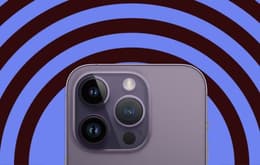
  • Camera systems: The Google Pixel 10 introduces a flexible triple-lens rear setup including a dedicated telephoto zoom, while the iPhone 14 employs a dependable dual-lens configuration with computational image processing.
  • Video and low light: Both devices capture detailed low-light photos and stable high-definition video, utilizing advanced software stabilization to minimize motion blur.
  • Media and audio: Built-in stereo speakers on both models deliver clear sound output for hands-free calls, podcasts, and casual video streaming.

Front camera

42 megapixels

12 megapixels

Miscellaneous

Physical design choices, connectivity standards, and daily ergonomics shape how comfortable each device feels during regular handling.

  • Build and dimensions: The Google Pixel 10 offers a slightly larger 6.3-inch display footprint, while the iPhone 14 maintains a compact 6.1-inch form factor that is lightweight and easy to hold.
  • Durability features: Both smartphones feature robust water and dust resistance ratings alongside durable front glass protection to withstand daily wear.
  • Connectivity and ports: Each device supports rapid 5G cellular networks, modern Wi-Fi standards, and secure biometric authentication methods for unlocking the phone and authorizing payments.

Weight

204 g

172 g

Screen size (in)

6.3

6.1

Mobile network

4G

5G

SIM card

Physical SIM + eSIM

Physical SIM + eSIM

Carrier compatibility

Unlocked

Unlocked

Connector

USB-C

Lightning

What the community thinks

User feedback from online forums highlights distinct preferences for each device. Owners of the iPhone 14 frequently praise its compact ergonomics, reliable build quality, and seamless integration within Apple's ecosystem, though some users note limitations with the standard refresh rate and battery longevity during intensive tasks. Conversely, Google Pixel 10 users highlight the versatility of the new triple-lens camera system, smooth high-refresh-rate display, and long-lasting battery capacity, while occasional discussions focus on its slightly larger physical footprint.

Users prioritizing a compact form factor and a streamlined operating system environment may prefer the iPhone 14, while users prioritizing enhanced optical zoom versatility, a high refresh rate display, and extended software longevity will lean toward the Google Pixel 10. For those exploring sustainable hardware choices, a quality-assured refurbished option provides a reliable and eco-friendly alternative for acquiring either model without compromising on performance standards. Ultimately, the right choice depends on individual software preferences and daily usage priorities.