
Compare models

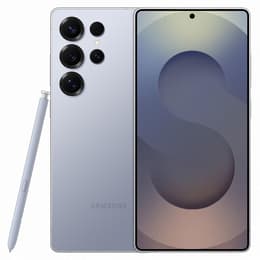
Galaxy S25 Ultra Vs OnePlus 13

  • 1-year minimum warranty
  • Free delivery on all items
  • Free 30-day returns
Galaxy S25 Ultra
Starting at

Refurbished price:£627.00

Versus £1,200.00 new

See options
OnePlus 13
Starting at

Refurbished price:£519.00

Versus £888.40 new

See options

Differences at a glance

The Samsung Galaxy S25 Ultra (2025) and the OnePlus 13 (2025) represent leading choices within the current smartphone landscape. While both devices run on the Android operating system with custom interfaces, they cater to slightly different priorities in daily use. The Galaxy S25 Ultra emphasizes integrated productivity features and versatile telephoto photography, whereas the OnePlus 13 focuses on high-capacity energy storage and rapid charging speeds.

Available Models

Colour

Storage (GB)

Scores

Durability

Both models arrive with contemporary software foundations designed to support long-term daily usage and security updates. Hardware construction utilizes robust materials intended to withstand normal wear and tear over several years.

  • Software Support: Both devices offer extended multi-year software maintenance schedules, ensuring regular security patches and system upgrades throughout their operational lifespans.
  • Build Longevity: The inclusion of durable glass formulations and reinforced outer frames helps both handsets resist accidental drops and scratches during everyday handling.
  • Repairability: Standardized internal layouts allow authorized service centers to replace aging components like batteries efficiently, supporting sustainable usage choices through a quality-assured refurbished option.

Year of Release

2025

2025

Compatible with latest Update

Yes

Yes

OS

Android

Android

Foldable

No

No

Performance

Equipped with current-generation processing architecture and generous random access memory configurations, both smartphones deliver responsive, fluid execution across diverse daily tasks.

  • Multitasking and App Loading: Demanding applications, resource-heavy games, and background processes launch instantly and run simultaneously without stuttering or unexpected slowdowns.
  • System Responsiveness: Navigation through user interfaces, web browsing, and media streaming remain consistently smooth due to efficient hardware optimization.
  • Energy Management: Both devices handle power draw effectively, though variations in physical battery capacity influence how long each phone operates under heavy continuous workloads.

Screen quality

Visual output on both handsets utilizes advanced display panels that deliver sharp details, accurate color reproduction, and comfortable viewing experiences in various lighting conditions.

  • Display Technology: Advanced organic light-emitting diode panels provide deep black levels and vibrant contrast, making text legible and media immersive.
  • Outdoor Visibility: High peak brightness capabilities ensure screens remain clear and easy to read even under direct sunlight.
  • Motion Smoothness: Adaptive refresh rates scale dynamically to match on-screen activity, ensuring fluid scrolling while preserving battery efficiency.

Resolution

1080 x 2340 pixels

1440 x 3168

Audiovisual

Imaging hardware across both models includes versatile multi-lens arrays capable of capturing detailed photographs and stable video recordings across diverse environments.

  • Main and Ultra-Wide Capture: Primary sensors gather ample light for clear low-light shots, while ultra-wide lenses accommodate expansive landscapes and group photos with minimal edge distortion.
  • Zoom Capabilities: Dedicated telephoto lenses maintain structural clarity when framing distant subjects, though optical zoom ranges vary slightly between the two devices.
  • Media Audio: Integrated stereo speakers deliver balanced sound output for casual video playback and hands-free calls, supported by clear microphone arrays.

Miscellaneous

Physical dimensions and connectivity standards define how comfortably each device integrates into daily routines and travel requirements.

  • Connectivity: Comprehensive 5G network compatibility, modern Wi-Fi standards, and rapid Bluetooth pairing ensure stable connections for peripherals and data transfers.
  • Physical Dimensions: Both models feature large display footprints balanced by relatively slim profiles, though subtle differences in weight and corner curvature affect single-handed reach.
  • Biometric Security: Responsive under-display fingerprint sensors and facial recognition features provide quick, secure device unlocking.

Weight

2 g

213 g

Screen size (in)

6.9

6.82

Mobile network

5G

5G

SIM card

Physical SIM + eSIM

Dual Physical SIM

Carrier compatibility

Unlocked

Unlocked

Connector

USB-C

USB-C

What the community thinks

User feedback from online communities highlights distinct preferences for each device based on everyday routines. Owners of the Galaxy S25 Ultra frequently praise its integrated stylus functionality, sharp display geometry, and reliable long-range zoom capabilities. At the same time, some users note its larger physical footprint feels heavy during extended one-handed use. Conversely, users of the OnePlus 13 frequently commend its exceptional battery endurance, rapid charging speeds, and smooth multitasking performance, though some express preference for a different camera color tuning style.

Users prioritizing productivity tools and versatile telephoto photography may prefer the Galaxy S25 Ultra, while users prioritizing all-day energy independence and rapid replenishment will find the OnePlus 13 well-suited to their needs. Choosing either model as a sustainable choice through a quality-assured refurbished option allows consumers to access high-end technology while supporting eco-friendly purchasing habits.