
Compare models
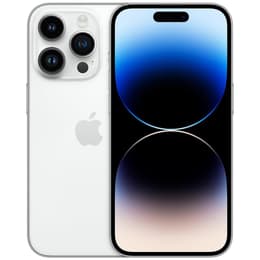
Google Pixel 10 Pro XL Vs iPhone 14 Pro
- 1-year minimum warranty
- Free delivery on all items
- Free 30-day returns
Differences at a glance
The Google Pixel 10 Pro XL (2025) and the iPhone 14 Pro (2022) are high-end smartphones designed to deliver robust everyday performance, advanced camera versatility, and premium build quality. While they belong to different generations and run on distinct operating systems—Android and iOS respectively—both devices serve users looking for capable flagship experiences. The primary differences lie in their physical dimensions, screen real estate, software ecosystems, and generational technology timelines.
Available Models
Colour
Storage
Scores
Durability
When evaluating hardware longevity and software support, both devices approach lifecycle maintenance through different timelines based on their respective release years.
- Software Support: The Google Pixel 10 Pro XL benefits from an extended software update commitment typical of recent Android releases, whereas the iPhone 14 Pro follows Apple's traditional multi-year support cycle.
- Repairability and Build: Both smartphones feature robust weather-resistant housing and durable glass panels, though repair accessibility varies by regional service availability for each manufacturer.
- Practical Lifespan: Users can expect several years of reliable daily operation from either model, with software optimization keeping both platforms running smoothly over time.
Year of Release
2025
2022
Compatible with latest Update
Yes
Yes
OS
Android
iOS
Foldable
No
No
Performance
Both smartphones handle demanding daily workflows, complex multitasking, and high-end mobile applications with reliable system responsiveness.
- Multitasking Capacity: Generous memory configurations on the Google Pixel 10 Pro XL facilitate seamless switching between multiple background tasks, while the iPhone 14 Pro utilizes tight hardware-software integration to maintain smooth operation under heavy loads.
- Battery Behavior: The Google Pixel 10 Pro XL includes a large battery capacity designed to sustain long usage periods, whereas the iPhone 14 Pro relies on efficient power management to support a full day of standard tasks.
- Storage Availability: Both devices offer ample internal storage tiers to accommodate large media libraries, applications, and offline files without performance degradation.
Screen quality
Display engineering differs significantly between the two models in terms of physical size, panel technology, and viewing immersion.
- Display Technology: The Google Pixel 10 Pro XL features a large OLED panel with high pixel density, while the iPhone 14 Pro utilizes a compact Super Retina XDR OLED screen known for accurate color reproduction.
- Outdoor Visibility: High peak brightness levels on both screens ensure content remains legible under direct sunlight or bright ambient lighting conditions.
- Refresh Rate: Adaptive refresh rates up to 120Hz provide fluid scrolling, responsive touch tracking, and smooth animation rendering across both user interfaces.
Resolution
1344x2992
1179 x 2556
Screen type
OLED
LTPO Super Retina XDR OLED
Audiovisual
Media capture and multimedia playback capabilities are central to both flagship handsets, offering flexible lens setups and detailed audio output.
- Camera Systems: Both devices incorporate versatile multi-lens rear configurations featuring primary wide sensors, ultra-wide options, and telephoto capabilities for distant subjects.
- Low-Light and Video: Advanced computational processing on both models helps preserve detail in challenging lighting environments and supports stable high-resolution video recording.
- Media and Audio: Stereo speaker arrays deliver clear sound output for casual listening, video calls, and media consumption.
Front camera
42 megapixels
12 megapixels
Miscellaneous
Physical handling characteristics and connectivity standards define the everyday ergonomics of using each device.
- Dimensions and Weight: The Google Pixel 10 Pro XL offers a significantly larger physical footprint suited for expansive viewing, whereas the iPhone 14 Pro provides a more compact, one-hand-friendly form factor.
- Connectivity: Both models support modern 5G cellular networks, high-speed Wi-Fi standards, and Bluetooth accessories for reliable peripheral pairing.
- Authentication: The Google Pixel 10 Pro XL utilizes an in-display fingerprint reader alongside facial recognition, while the iPhone 14 Pro relies exclusively on secure face mapping technology.
Weight
232 g
206 g
Screen size (in)
6.8
6.1
Mobile network
5G
5G
SIM card
Physical SIM + eSIM
Physical SIM + eSIM
Carrier compatibility
Unlocked
Unlocked
Connector
USB-C
Lightning
What the community thinks
User feedback from online communities highlights distinct preferences for each device. Owners of the Google Pixel 10 Pro XL frequently praise its expansive screen space, versatile photo processing tools, and large battery capacity, though some note its heavier physical footprint. Conversely, users of the iPhone 14 Pro appreciate its compact ergonomics, reliable build quality, and smooth ecosystem integration, while occasionally mentioning that battery endurance requires mindful management during heavy usage days.
Users prioritizing a spacious display, expansive multitasking headroom, and the Android ecosystem may prefer the Google Pixel 10 Pro XL. Meanwhile, users seeking a compact form factor, integrated Apple services, and streamlined everyday handling will lean toward the iPhone 14 Pro. For those interested in a quality-assured refurbished option, choosing a professionally restored device provides a sustainable choice that aligns with eco-friendly purchasing habits without compromising on performance.