
Compare models

Google Pixel 10 Pro XL Vs iPhone 14

  • 1-year minimum warranty
  • Free delivery on all items
  • Free 30-day returns
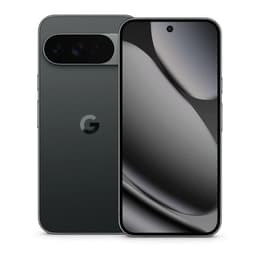
Google Pixel 10 Pro XL
Starting at

Refurbished price:£499.00

Versus £1,196.66 new

See options
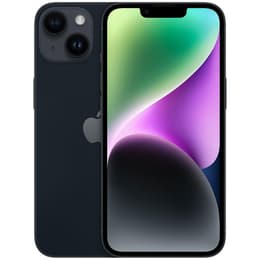
iPhone 14
Starting at

Refurbished price:£238.00

Versus £599.00 new

See options

Differences at a glance

The Google Pixel 10 Pro XL (2025) and the Apple iPhone 14 (2022) are prominent smartphones representing distinct ecosystems and generational design philosophies. While the Pixel 10 Pro XL offers a larger screen real estate and runs on Android, the iPhone 14 delivers a compact form factor powered by iOS. These devices cater to users looking for robust daily companions with contrasting operating systems and distinct structural footprints.

Available Models

Colour

Storage (GB)

Scores

Durability

When evaluating longevity and durability, both devices offer solid build qualities and software backing, though they occupy different points in their release lifecycles.

  • Software support timelines: The Google Pixel 10 Pro XL arrives with an extended multi-year update commitment running deep into the future, whereas the iPhone 14 relies on Apple's established history of long-term software updates.
  • Repairability and build: Both models utilize robust aluminum and glass structures paired with high water-resistance ratings, though component availability favors structured service channels for each respective ecosystem.
  • Expected lifespan: Users can anticipate several years of reliable daily operation from either device, with the Pixel benefiting from a more recent manufacturing year.

Year of Release

2025

2022

Performance

System responsiveness and everyday multitasking differ due to architectural variations between Google and Apple hardware implementations.

  • Multitasking and memory: The Google Pixel 10 Pro XL handles heavy background tasks and resource-intensive applications smoothly with its ample memory configuration, while the iPhone 14 manages daily operations efficiently through optimized software integration.
  • Battery behavior: The Pixel 10 Pro XL houses a high-capacity battery designed to push through demanding full-day workloads, whereas the iPhone 14 features a smaller cell that suits moderate daily usage patterns.
  • Storage capacity: Both units provide robust internal storage options to accommodate extensive media libraries, apps, and offline files without stuttering.

Screen quality

Display characteristics vary significantly in physical dimensions, peak luminance, and panel fluidity between the two handsets.

  • Panel technology and size: The Google Pixel 10 Pro XL features an expansive high-resolution OLED screen tailored for immersive media consumption, while the iPhone 14 employs a compact OLED panel geared toward single-handed operation.
  • Refresh rate and fluidity: The Pixel 10 Pro XL supports an adaptive high refresh rate for smooth scrolling and animations, contrasting with the standard refresh rate on the iPhone 14.
  • Outdoor visibility: Both displays offer high peak brightness levels, ensuring clear legibility under bright sunlight and direct outdoor lighting conditions.

Audiovisual

Multimedia capture and audio output capabilities reflect each manufacturer's approach to computational photography and hardware tuning.

  • Camera versatility: The Google Pixel 10 Pro XL incorporates a versatile triple-lens array featuring dedicated optical zoom capabilities, while the iPhone 14 relies on a dual-lens setup focused on everyday point-and-shoot clarity.
  • Video and low-light performance: Both devices deliver stable, sharp video recording and dependable low-light photography aided by automatic processing software.
  • Audio output: Stereo speaker configurations on both models provide clear sound reproduction for hands-free calls, casual media streaming, and podcasts.

Miscellaneous

Practical daily features, connectivity standards, and physical handling traits shape the overall user experience.

  • Connectivity and ports: Both smartphones support modern 5G networks and fast wireless connections, utilizing USB Type-C on the Google device and Lightning on the Apple model.
  • Security and authentication: The Pixel 10 Pro XL offers facial recognition alongside biometric fingerprint scanning, whereas the iPhone 14 utilizes advanced facial scanning technology exclusively.
  • Physical handling: Weighing more due to its larger display, the Pixel 10 Pro XL suits two-handed use, while the lighter iPhone 14 fits comfortably in smaller pockets and hands.

Screen size (in)

6.8

6.1

Mobile network

5G

5G

SIM card

Physical SIM + eSIM

Physical SIM + eSIM

Carrier compatibility

Unlocked

Unlocked

Connector

USB-C

Lightning

What the community thinks

User feedback highlights distinct preferences for each device across community platforms. Owners of the Google Pixel 10 Pro XL frequently praise its expansive, fluid display, robust battery capacity, and versatile zoom photography. Conversely, iPhone 14 users often emphasize the comfortable one-handed ergonomics, reliable daily stability, and seamless integration within the Apple ecosystem. Common criticisms for the Pixel involve its larger physical footprint, while iPhone users sometimes note the standard screen refresh rate as a limitation.

Users prioritizing a large, high-refresh-rate display and advanced multitasking headroom may prefer the Google Pixel 10 Pro XL, while those favoring a compact form factor and iOS integration will find the iPhone 14 well-suited to their workflow. Choosing a quality-assured refurbished option provides an eco-friendly alternative that extends device lifecycles while supporting sustainable technology habits. Ultimately, the ideal choice depends on individual operating system preferences and physical size requirements.