Galaxy Z Fold7 Vs Motorola Moto G13

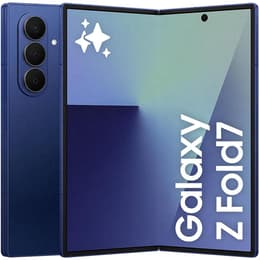
Galaxy Z Fold7
Galaxy Z Fold7
Starting at

Refurbished price:£916.00

Versus £1,799.00 new

See options
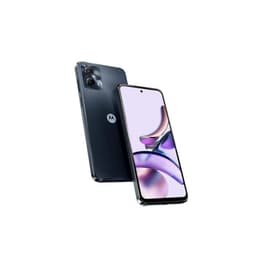
Motorola Moto G13
Motorola Moto G13
Starting at

Refurbished price:£99.00

Versus £166.76 new

See options

Ratings

The Samsung Galaxy Z Fold7 (2025) and the Motorola Moto G13 (2023) are distinct smartphone offerings, each designed to cater to different user priorities. The Galaxy Z Fold7 represents a premium, foldable device that transforms from a traditional smartphone into a larger tablet-like display, while the Moto G13 is a conventional, entry-level smartphone. Both devices operate on the Android platform, but they differ significantly in their hardware capabilities and overall user experience.

Scores

Durability

The expected practical lifespan of these devices varies considerably due to their release timelines and software support policies.

  • Release Timeline and OS Support: The Galaxy Z Fold7, released in July 2025, ships with Android 16 and is anticipated to receive up to seven major Android operating system upgrades, offering extended software longevity. In contrast, the Moto G13, released in January 2023 with Android 13, is expected to receive an upgrade to Android 14 and security updates until January 2026.
  • Durability Features: The Galaxy Z Fold7 incorporates advanced materials like Corning Gorilla Glass Ceramic 2 on its cover display and Gorilla Glass Victus 2 on the back, alongside an Armor FlexHinge, contributing to its robust design and IPx8 water resistance. The Moto G13 features Panda Glass for screen protection and has an IP52 water-resistant design, offering basic protection against splashes.
  • Repairability: While specific repairability scores are not detailed for the Z Fold7, foldable devices generally present more complex repair challenges compared to traditional smartphones. The Moto G13, with its more conventional design, may offer a more straightforward repair experience for common components.

Year of Release

2025

2023

Compatible with latest Update

Yes

No

OS

Android

Android

Foldable

Yes

No

Performance

The performance capabilities of the Galaxy Z Fold7 and the Moto G13 are tailored to their respective segments, impacting how they handle daily tasks and demanding applications.

  • Processing Power: The Galaxy Z Fold7 is equipped with a current-generation, high-performance processor, enabling smooth operation for demanding applications, intensive multitasking, and advanced gaming. The Moto G13 features a processor designed for everyday tasks, handling common apps and web browsing adequately, though users may notice occasional sluggishness with graphic-heavy pages or more demanding games.
  • Multitasking and Responsiveness: With its substantial RAM (12GB or 16GB), the Galaxy Z Fold7 excels at running multiple applications simultaneously and switching between them without delay. The Moto G13, with 4GB of RAM, manages basic multitasking effectively, but may experience limitations when numerous apps are open or during intensive use.
  • Storage Options: The Galaxy Z Fold7 offers ample internal storage options (256GB, 512GB, 1TB) without expandable storage. The Moto G13 provides 64GB or 128GB of internal storage, with the flexibility to expand up to 512GB using a microSD card.
  • Battery Behavior: The Galaxy Z Fold7 features a 4400 mAh dual battery, designed to support its powerful components and dual displays through a typical day. The Moto G13 includes a larger 5000 mAh battery, which, combined with its less demanding hardware, often results in extended usage times, potentially lasting up to two days for average users.

Memory (GB)

12 GB

4 GB

Screen quality

The display technologies and viewing experiences offered by these two smartphones are fundamentally different, reflecting their design philosophies.

  • Display Technology and Clarity: The Galaxy Z Fold7 features two Dynamic AMOLED 2X displays, providing vibrant colors, deep blacks, and high contrast. Its main 8.0-inch foldable display has a resolution of 2184 x 1968 pixels, offering exceptional clarity, while the 6.5-inch cover display has a resolution of 2520 x 1080 pixels. The Moto G13 utilizes a 6.5-inch IPS LCD panel with a 720 x 1600 pixel (HD+) resolution, which delivers acceptable visuals for everyday use but lacks the sharpness and color depth of an AMOLED screen.
  • Brightness and Refresh Rate: The Galaxy Z Fold7's main display can reach up to 2600 nits of peak brightness, ensuring excellent visibility even in direct sunlight, and features an adaptive 120Hz refresh rate for smooth scrolling and responsiveness. The Moto G13 offers a peak brightness of around 400 nits, which is suitable for indoor use but may be less visible outdoors. It has a 90Hz refresh rate, providing a smoother experience than standard 60Hz displays, though its processor may not always fully utilize this.
  • Form Factor and Viewing Experience: The Galaxy Z Fold7's foldable design allows for a compact smartphone form factor that unfolds into a large, immersive tablet-like screen, ideal for media consumption and multitasking. The Moto G13 offers a traditional flat display, providing a consistent viewing area for standard smartphone interactions.

Resolution

1968 x 2184

720 x 1600

Audiovisual

The camera systems of the Galaxy Z Fold7 and the Moto G13 are designed for different levels of photographic capability and user expectations.

  • Rear Camera Systems: The Galaxy Z Fold7 boasts a versatile triple-camera setup, including a 200 MP wide-angle main sensor, a 12 MP ultra-wide lens, and a 10 MP telephoto lens with 3x optical zoom, capable of capturing highly detailed images across various scenarios. The Moto G13 features a triple-camera array with a 50 MP main sensor, complemented by 2 MP macro and 2 MP depth sensors, which performs well in good lighting conditions but may show limitations in detail and dynamic range in challenging environments.
  • Front-Facing Cameras: For selfies and video calls, the Galaxy Z Fold7 includes a 10 MP camera on its cover screen and another 10 MP camera under the main display. The Moto G13 is equipped with an 8 MP front-facing camera.
  • Video Recording and Features: The Galaxy Z Fold7 supports 4K video recording at 60 frames per second across all its cameras and incorporates advanced features like ProVisual Engine, AI editing tools, Nightography, and Pro mode for enhanced creative control. The Moto G13 records video at 1080p resolution at 30 frames per second for both its front and rear cameras, offering standard video capabilities.
  • Low-Light Performance: The Galaxy Z Fold7's larger sensor and advanced image processing contribute to strong low-light photography with features like Nightography. The Moto G13's camera performance in low-light conditions is generally considered average, with images potentially lacking detail and exhibiting noise.

Miscellaneous

Beyond core specifications, several practical elements differentiate the user experience of these two devices.

  • Connectivity: The Galaxy Z Fold7 supports the latest wireless standards, including 5G and Wi-Fi 7, ensuring fast and reliable network connections. The Moto G13 is a 4G-only device, supporting Wi-Fi 5 (802.11 a/b/g/n/ac) and Bluetooth 5.1.
  • Ports and Sensors: Both devices feature a USB Type-C port for charging and data transfer. The Moto G13 also includes a 3.5mm headphone jack, a feature absent on the Galaxy Z Fold7. For security, the Galaxy Z Fold7 offers fingerprint ID and face recognition, while the Moto G13 includes a side-mounted fingerprint sensor and face unlock.
  • Physical Characteristics: The Galaxy Z Fold7 is designed to be thinner and lighter than its predecessors, weighing 215g and measuring 8.9mm when folded and 4.2mm when unfolded, offering a premium feel. The Moto G13 has a weight of 183g and a thickness of 8.2mm, with a plastic build that provides a comfortable grip.
  • Additional Features: The Galaxy Z Fold7 integrates advanced AI features and Flex Mode, which optimizes app usage when the device is partially folded. The Moto G13 offers NFC for mobile payments in some regions.

Weight

187 g

183 g

Screen size (in)

8

6.5

Mobile network

5G

4G

SIM card

Dual Physical SIM + eSIM

Dual Physical SIM

Carrier compatibility

Unlocked

Unlocked

The Samsung Galaxy Z Fold7 and the Motorola Moto G13 cater to distinct user needs, with each device receiving praise and criticism for different aspects.

Users often praise the Galaxy Z Fold7 for its innovative foldable design, offering a large, immersive display for productivity and media consumption. Its powerful performance, advanced camera system, and extended software support are also frequently highlighted as strong points. Some common criticisms, though significantly improved with this generation, have historically revolved around the visibility of the display crease and the overall thickness of foldable devices.

Conversely, the Motorola Moto G13 is generally lauded for its impressive battery life, clean Android software experience, and the inclusion of practical features like a 3.5mm headphone jack and expandable storage. User feedback often points to its camera performance in challenging lighting conditions and its display resolution as areas where it does not excel.

Users prioritizing a cutting-edge, versatile device for advanced multitasking, immersive media, and high-quality photography will find the Galaxy Z Fold7 well-suited to their needs. Its robust performance and long-term software commitment make it a compelling choice for those seeking a premium smartphone experience. On the other hand, users who value extended battery life, a straightforward Android experience, and essential connectivity features without the need for top-tier performance or advanced camera capabilities may lean toward the Moto G13. Both devices, whether new or as quality-assured refurbished options, offer pathways to owning technology that aligns with individual preferences and usage patterns.

See all articles

Our recent comparisons