Galaxy Z Fold5 Vs iPhone 13 mini

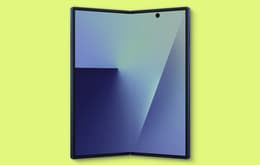
Galaxy Z Fold5
Galaxy Z Fold5
Starting at

Refurbished price:£413.00

Versus £1,770.61 new

See options
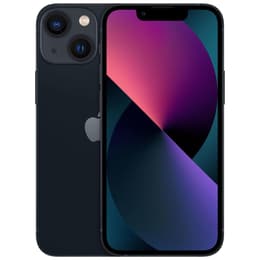
iPhone 13 mini
iPhone 13 mini
Starting at

Refurbished price:£186.00

Versus £649.00 new

See options

Ratings

The Samsung Galaxy Z Fold5 (2023) and the Apple iPhone 13 Mini (2021) represent two polar opposite philosophies in the smartphone market. While the Galaxy Z Fold5 is a cutting-edge foldable designed for maximum screen real estate and productivity, the iPhone 13 Mini is a compact powerhouse built for portability and ease of use with one hand. These devices run on Android and iOS respectively, offering distinct software ecosystems that cater to different user habits and preferences. Choosing between them involves weighing the benefits of a tablet-sized display against the convenience of a device that fits effortlessly into any pocket.

Scores

Durability

The Galaxy Z Fold5 and iPhone 13 Mini offer different expectations regarding longevity and physical resilience based on their release dates and construction.

  • Software Support: The iPhone 13 Mini, despite being older, benefits from Apple's long-term update policy, typically receiving system updates for six to seven years from its launch. The Galaxy Z Fold5 follows a modern commitment of four major OS upgrades and five years of security patches, ensuring it remains current until the late 2020s.
  • Physical Construction: The Galaxy Z Fold5 features a complex internal folding mechanism and a flexible inner screen, which requires more careful handling than a traditional smartphone. In contrast, the iPhone 13 Mini uses a rigid glass and aluminium design that is inherently more resistant to dust and debris.
  • Repairability: Standard smartphones like the iPhone 13 Mini are generally more straightforward to service at professional centres. Foldable devices involve intricate internal components that make repairs more specialised, though choosing a quality-assured refurbished option can provide peace of mind regarding the functional integrity of these moving parts.

Year of Release

2023

2021

Compatible with latest Update

Yes

Yes

OS

Android

iOS

Foldable

Yes

No

Performance

Performance on these devices is tailored to their specific form factors, influencing how users interact with apps and media on a daily basis.

  • Multitasking and Productivity: The Galaxy Z Fold5 is built for heavy lifting, allowing users to run three apps simultaneously on its expansive screen without lag. Its internal hardware handles demanding tasks like video editing or complex spreadsheets with ease, making it a mobile workstation for professionals.
  • Daily Responsiveness: The iPhone 13 Mini provides a fluid and snappy experience for everyday tasks such as messaging, browsing, and social media. While it handles high-end games well, its smaller footprint means it can generate heat more quickly during sustained heavy use compared to the larger cooling surface of the Fold5.
  • Battery Endurance: Due to its larger physical size, the Galaxy Z Fold5 houses a more substantial battery that typically lasts through a full day of mixed use. The iPhone 13 Mini, constrained by its compact dimensions, has a smaller battery capacity that may require more frequent charging for users who frequently stream video or use GPS navigation.

Memory (GB)

12 GB

4 GB

Screen quality

The display experience is the most significant differentiator between these two smartphones, impacting everything from reading to watching movies.

  • Display Technology and Size: The Galaxy Z Fold5 features a massive 7.6-inch internal OLED screen that provides deep blacks and vivid colours, ideal for immersive media consumption. The iPhone 13 Mini uses a 5.4-inch OLED panel that offers excellent clarity and colour accuracy but in a much more restricted viewing area.
  • Smoothness and Motion: The Fold5 incorporates a high refresh rate that makes scrolling through long documents and animations appear exceptionally smooth. The iPhone 13 Mini maintains a standard refresh rate which is consistent and reliable, though it lacks the ultra-fluid motion found on the Samsung foldable.
  • Outdoor Visibility: Both devices are designed to be legible in bright sunlight, but the Galaxy Z Fold5 offers higher peak brightness levels, making it slightly easier to use for outdoor productivity. The iPhone 13 Mini remains perfectly functional for outdoor photography and navigation, though its smaller screen can feel cramped when viewing detailed maps.

Resolution

1812 x 2176

1080 x 2340

Screen type

Foldable Dynamic AMOLED 2X

Super Retina XDR OLED

Audiovisual

Photography and media playback are handled differently, with one device focusing on versatility and the other on consistent simplicity.

  • Camera Versatility: The Galaxy Z Fold5 is equipped with a triple-lens system, including a dedicated telephoto lens for optical zoom, allowing users to capture distant subjects clearly. The iPhone 13 Mini features a dual-lens setup that excels at capturing natural-looking skin tones and balanced exposures in everyday snapshots but lacks the reach for long-distance photography.
  • Video and Audio: Both smartphones are capable of recording high-quality video with effective stabilisation, though the iPhone 13 Mini is often praised for its consistent video colour grading. For audio, the Galaxy Z Fold5 provides a wider stereo soundstage due to its larger frame, while the iPhone 13 Mini delivers clear and crisp audio that is impressive for its size.
  • Selfie and Call Quality: The Fold5 offers a unique under-display camera for an uninterrupted screen experience, though the iPhone 13 Mini's front-facing camera generally provides sharper detail for video calls and self-portraits.

Main camera

50 megapixels

12 megapixels

Front camera

4 megapixels

12 megapixels

Miscellaneous

Practical considerations like connectivity and physical handling play a major role in the daily user experience for both devices.

  • Portability and Weight: The iPhone 13 Mini is one of the lightest and most pocketable smartphones available, making it ideal for users who prefer one-handed operation. The Galaxy Z Fold5 is significantly heavier and thicker, especially when folded, requiring a more deliberate carrying method like a jacket pocket or bag.
  • Biometrics and Ports: The Galaxy Z Fold5 uses a fast fingerprint sensor built into the power button and features a universal USB-C port for charging and data. The iPhone 13 Mini relies on facial recognition for security and uses a Lightning port, which may require different cables for users transitioning from other modern electronics.
  • Connectivity: Both devices support 5G networks for fast mobile data and include modern Wi-Fi and Bluetooth standards for stable connections with wireless headphones and smart home devices.

Weight

150 g

140 g

Screen size (in)

7.6

5.4

Mobile network

4G

5G

SIM card

Dual Physical SIM + eSIM

Physical SIM + eSIM

Carrier compatibility

Unlocked

Unlocked

Connector

USB-C

Lightning

User feedback highlights the distinct appeal of each device. The Galaxy Z Fold5 is frequently lauded on community forums for its ability to replace a tablet, with users appreciating the productivity boost of the large screen. However, some users find the crease in the middle of the display and the overall bulk to be significant trade-offs. On the other hand, the iPhone 13 Mini is celebrated by enthusiasts who miss small phones, with many praising its ergonomics. The most common criticism for the Mini is its battery life, which some find insufficient for long days away from a charger.

Users who prioritise multitasking, media consumption, and having a large canvas for work will find the Galaxy Z Fold5 aligns best with their needs. Conversely, those who value portability, ease of use with one hand, and a device that disappears into a pocket will likely prefer the iPhone 13 Mini. Both smartphones are available as eco-friendly, quality-assured refurbished options, allowing consumers to choose the form factor that fits their lifestyle while supporting a more sustainable tech cycle. Ultimately, the decision rests on whether you want a device that expands your digital workspace or one that simplifies your mobile experience.

See all articles

Our recent comparisons