

Galaxy Z Fold5 Vs Google Pixel 9

Galaxy Z Fold5
Galaxy Z Fold5
Starting at

Refurbished price:£413.00

Versus £1,770.61 new

See options
Google Pixel 9
Google Pixel 9
Starting at

Refurbished price:£327.25

Versus £890.22 new

See options

Ratings

The Samsung Galaxy Z Fold5, released in 2023, and the Google Pixel 9, launched in 2024, represent distinct approaches to the modern smartphone experience. The Galaxy Z Fold5 offers a unique foldable design that transforms from a traditional smartphone into a larger tablet-like display, while the Google Pixel 9 provides a more conventional, yet highly refined, smartphone form factor. Both devices operate on the Android platform, but they cater to different user preferences through their core design and feature sets.

Scores

Durability

When considering the long-term usability of these devices, their release timelines and software support policies are key differentiators.

  • Release and Updates: The Galaxy Z Fold5, launched in August 2023, typically receives four generations of Android OS upgrades and five years of security updates from Samsung. This means its last major OS upgrade is expected around late 2026 or early 2027. In contrast, the Google Pixel 9, released in August 2024, benefits from Google's extended support policy, offering seven years of OS and security updates, extending its software longevity significantly further, potentially until August 2031.
  • Physical Durability: The Galaxy Z Fold5 features an Armor Aluminum frame and Gorilla Glass Victus 2 on its cover screen, along with an IPX8 water resistance rating, meaning it can withstand submersion in water. The Pixel 9 also offers robust build quality with Gorilla Glass Victus 2 on both its front and back, complemented by an IP68 rating for both water and dust resistance. The foldable nature of the Z Fold5 introduces a hinge mechanism, which has been refined over generations for durability.
  • Practical Lifespan: Users prioritizing the longest possible software support and security updates will find the Pixel 9's extended commitment more appealing. For those who value the innovative foldable form factor and are comfortable with a slightly shorter, though still substantial, software support window, the Galaxy Z Fold5 remains a viable option.

Year of Release

2023

2024

Compatible with latest Update

Yes

Yes

OS

Android

Android

Foldable

Yes

No

Performance

Both the Galaxy Z Fold5 and the Google Pixel 9 are equipped with powerful internal components designed to handle demanding tasks, though they utilize different processing architectures.

  • Processing Power: The Galaxy Z Fold5 is powered by a processor optimized for its ecosystem, enabling smooth operation across its dual displays and efficient multitasking. The Pixel 9 features Google's custom-designed processor, which is engineered to deliver responsive performance and enhance on-device artificial intelligence capabilities. Both devices are capable of running demanding applications, complex games, and managing multiple tasks simultaneously without significant slowdowns.
  • Memory and Storage: The Galaxy Z Fold5 comes with 12GB of RAM and offers storage options up to 1TB, providing ample space for applications and media. The Pixel 9 also includes 12GB of RAM, ensuring fluid multitasking, and is available with up to 256GB of internal storage. The larger storage options on the Z Fold5 might appeal to users with extensive media libraries or numerous large applications.
  • Battery Performance: The Galaxy Z Fold5 houses a 4400mAh battery, which users generally report as sufficient for a full day of typical use, even with its larger, power-hungry foldable display. The Pixel 9 is equipped with a 4700mAh battery, and user feedback indicates a notable improvement in battery longevity compared to previous Pixel models, often lasting through a full day of heavy usage.

Memory (GB)

12 GB

12 GB

Screen quality

The display experience is a primary distinguishing factor between these two smartphones, owing to the Galaxy Z Fold5's unique design.

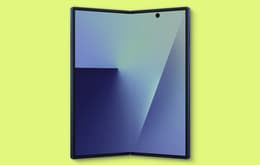
  • Display Technology and Size: The Galaxy Z Fold5 features a 7.6-inch foldable Dynamic AMOLED 2X main display, offering a large, immersive canvas when unfolded. It also has a 6.2-inch Dynamic AMOLED 2X cover screen for single-handed use. The Pixel 9 sports a 6.3-inch OLED display, providing a vibrant and clear viewing experience in a more traditional form factor.
  • Resolution and Clarity: The Z Fold5's main display boasts a resolution of 2176 x 1812 pixels, delivering sharp visuals across its expansive surface. The Pixel 9's display offers a 1080 x 2424 pixel (FHD+) resolution, resulting in crisp images and text on its smaller screen. Both displays provide good clarity for everyday viewing, from reading to watching videos.
  • Brightness and Refresh Rate: The Galaxy Z Fold5's main screen can reach a peak brightness of 1750 nits, ensuring good visibility even in bright outdoor conditions. Both devices feature a 120Hz refresh rate, contributing to smooth scrolling and fluid animations. The Pixel 9's OLED panel is also noted for its brightness, enhancing outdoor usability.

Resolution

1812 x 2176

1080 x 2424

Screen type

Foldable Dynamic AMOLED 2X

OLED

Audiovisual

Both smartphones offer advanced camera systems, though they approach image processing with different philosophies.

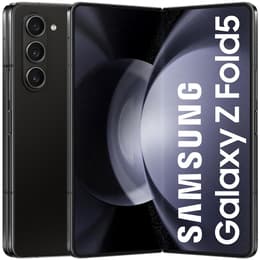
  • Rear Camera Systems: The Galaxy Z Fold5 features a versatile triple-camera setup on its rear, including a 50MP main sensor, a 12MP ultrawide lens, and a 10MP telephoto lens with 3x optical zoom. The Pixel 9 comes with a dual-camera system, comprising a 50MP main sensor and a 48MP ultrawide lens. Both are capable of capturing detailed images with good color reproduction.
  • Photography Performance: The Z Fold5 is praised for its vibrant and detailed photos in good lighting, with a reliable point-and-shoot experience. The Pixel 9 leverages Google's computational photography, excelling in detail, vibrant colors, and strong low-light performance, often producing sharp and clear results. Users report that the Pixel 9's camera is particularly effective for challenging lighting conditions.
  • Video and Selfie Capabilities: The Galaxy Z Fold5 supports video recording up to 8K resolution. It includes a 10MP camera on the cover screen and a 4MP under-display camera on the main foldable screen, primarily suited for video calls. The Pixel 9 offers strong video recording quality and features a 10.5MP front-facing camera, known for accurate skin tones and a wider field of view for group selfies.

Main camera

50 megapixels

50 megapixels

Front camera

4 megapixels

10.5 megapixels

Miscellaneous

Beyond the core specifications, several other features contribute to the overall user experience of these devices.

  • Connectivity and Ports: Both the Galaxy Z Fold5 and the Google Pixel 9 support 5G connectivity for fast mobile data. They both utilize a USB-C port for charging and data transfer. The Pixel 9 is expected to support newer Wi-Fi standards like Wi-Fi 7, offering potentially faster and more stable wireless connections compared to the Z Fold5's Wi-Fi 6E.
  • Biometrics and Sensors: The Galaxy Z Fold5 incorporates a side-mounted fingerprint sensor for secure unlocking. The Google Pixel 9 features an in-display ultrasonic fingerprint sensor, which users generally find responsive. Both devices include a range of sensors for navigation and contextual awareness.
  • Design and Handling: The Galaxy Z Fold5, weighing 253g, is a heavier device due to its foldable nature, offering a compact form when folded and an expansive screen when unfolded. The Pixel 9, at 198g, is lighter and designed for comfortable one-handed use. The Z Fold5's build materials include an Armor Aluminum frame, while the Pixel 9 uses Gorilla Glass Victus 2 on both sides with a metal frame.

Weight

150 g

198 g

Screen size (in)

7.6

6.3

Mobile network

4G

5G

SIM card

Dual Physical SIM + eSIM

Physical SIM + eSIM

Carrier compatibility

Unlocked

Unlocked

Connector

USB-C

USB-C

The Samsung Galaxy Z Fold5 and the Google Pixel 9 cater to different user needs, each excelling in distinct areas. The Z Fold5 is frequently praised for its innovative foldable design, offering a large, immersive screen for productivity and media consumption that fits into a pocketable form factor. Users appreciate its robust performance and the versatility of having both a smartphone and a tablet in one device. However, some users note that its camera system, while capable, may not always match the performance of dedicated non-foldable flagships, and the visible crease on the main display is a common point of discussion.

The Google Pixel 9, on the other hand, garners significant acclaim for its exceptional camera capabilities, particularly its computational photography that delivers consistent and high-quality images, even in challenging conditions. Its extended software support policy is a major draw for users who prioritize long-term updates and security. Users also frequently highlight its improved battery life and smooth overall performance. Some common observations include the prominent camera bar design and occasional inconsistencies with the ambient light sensor.

Users prioritizing a versatile, large-screen experience for multitasking and media, and who are drawn to innovative form factors, may find the Galaxy Z Fold5 well-suited to their needs. Conversely, individuals who value a top-tier camera, extensive software longevity, and a streamlined Android experience in a traditional smartphone design will likely lean towards the Google Pixel 9. Both devices offer compelling features, and choosing between them often comes down to whether a foldable display or a refined, long-supported traditional smartphone experience is the higher priority. For those considering either device, exploring quality-assured refurbished options can provide an eco-friendly alternative to new purchases.


See all articles

Our recent comparisons