Compare models
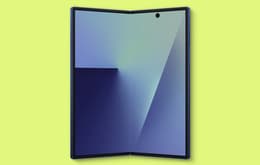
Galaxy Z Flip7 Vs Galaxy Z Fold6
- 1-year minimum warranty
- Free delivery on all items
- Free 30-day returns
Differences at a glance
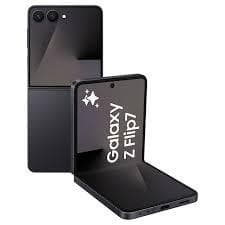
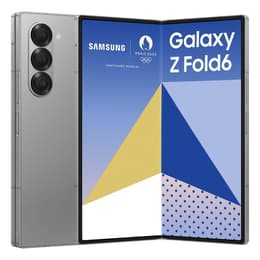
The Samsung Galaxy Z Flip7 (2025) and Samsung Galaxy Z Fold6 (2024) represent two distinct approaches to foldable smartphone design. While the Z Flip7 prioritizes a compact, pocket-friendly clamshell form factor, the Z Fold6 offers a book-style layout that expands into a tablet-sized workspace. Both devices operate on the Android platform with Samsung's custom interface, though their differing hardware shapes entirely unique daily user experiences.
Available Models
Colour
Storage
Scores
Durability
When evaluating the long-term viability of these foldable devices, both models offer modern software backing and durable hinge mechanisms designed for years of folding.
- Software longevity: Both devices benefit from extensive multi-year software and security update commitments from the manufacturer, ensuring up-to-date operating system features for several years.
- Repairability and build: Both models incorporate armor aluminum frames and water-resistant builds, though foldable inner screens require careful handling over extended periods of heavy use.
- Expected lifespan: Users can anticipate solid multi-year durability from both designs, making a quality-assured refurbished option a sustainable choice for reducing electronic waste while maintaining modern functionality.
Year of Release
2025
2024
Compatible with latest Update
Yes
Yes
OS
Android
Android
Foldable
Yes
Yes
Performance
Under the hood, both smartphones handle demanding daily tasks, heavy multitasking, and graphic-intensive mobile games with ease.
- System responsiveness: Modern processing hardware ensures seamless app switching, rapid loading times, and fluid navigation across all user interfaces.
- Multitasking and storage: The Z Fold6 benefits from larger RAM configurations tailored for multi-window tablet apps, whereas the Z Flip7 offers streamlined storage options focused on everyday smartphone usage.
- Battery behavior: The larger footprint of the Z Fold6 accommodates a bigger battery for its dual screens, while the Z Flip7 relies on efficient power management to sustain a full day of standard use on a smaller cell.
Screen quality
Display architecture is the defining characteristic that separates these two devices, changing how media, web pages, and apps are consumed.
- Display technology: Both models utilize vibrant OLED panels with deep contrast levels, adaptive refresh rates for smooth scrolling, and high peak brightness levels for outdoor readability.
- Form factor and viewing area: The Z Flip7 features a tall inner screen alongside a useful outer cover display for quick notifications, while the Z Fold6 opens up into a large square canvas suited for productivity and media viewing.
- Crease visibility: Both folding screens feature a subtle crease along the center hinge, which becomes less noticeable during everyday front-on viewing.
Resolution
1080x2520
1856 x 2160
Audiovisual
Camera systems on both foldables deliver detailed photos and reliable video recording capabilities across various lighting conditions.
- Lens configurations: Both devices feature capable main and ultra-wide camera lenses, with the Z Fold6 additionally incorporating a dedicated telephoto lens for optical zoom functionality.
- Media and audio output: Stereo speakers on both models provide clear sound for media playback and hands-free calls, while microphone arrays isolate voice input effectively during video calls.
- Content creation: The unique folding designs of both phones allow for flexible freestanding angles, letting users capture photos or videos without requiring a tripod.
Main camera
50 megapixels
50 megapixels
Front camera
10 megapixels
4 megapixels
Miscellaneous
Practical daily features, physical dimensions, and connectivity options dictate how comfortably each device integrates into a traveler's or professional's routine.
- Connectivity standards: Both smartphones support current-generation 5G networks, fast Wi-Fi standards, and Bluetooth for reliable accessory pairing.
- Biometrics and ports: Both devices utilize physical side-mounted fingerprint sensors and facial recognition for secure unlocking, relying on standard reversible charging ports.
- Handling and dimensions: The Z Flip7 folds into a compact square that slips easily into small pockets, whereas the Z Fold6 is heavier and wider, resembling a traditional phone on the outside and a small notebook when opened.
Weight
188 g
239 g
Screen size (in)
6.9
7.6
Mobile network
5G
5G
SIM card
Physical SIM + eSIM
Dual Physical SIM + eSIM
Carrier compatibility
Unlocked
Unlocked
What the community thinks
Real-world user feedback indicates that choosing between these two devices depends entirely on how a smartphone fits into daily routines. Owners of the Galaxy Z Flip7 frequently praise its space-saving pocket footprint and convenient cover screen for checking notifications on the go, though some note that battery capacity requires mindful management during heavy usage days. On the other hand, users of the Galaxy Z Fold6 highlight the productivity benefits of the expansive inner screen for multitasking and document editing, while noting that the heavier weight and wider closed profile take time to get used to in one-handed scenarios.
Users prioritizing pocket-friendly portability and a compact design will find the Galaxy Z Flip7 well-suited to their needs, while users prioritizing expansive screen space for multitasking and media consumption may lean toward the Galaxy Z Fold6. Exploring a quality-assured refurbished option provides an accessible path toward owning either of these advanced foldable experiences while supporting sustainable technology habits.