
Compare models
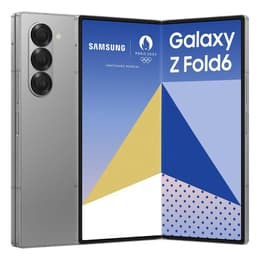
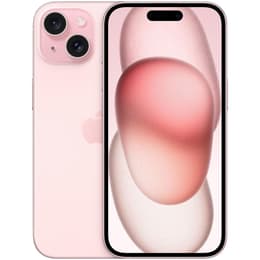
Galaxy Z Fold6 Vs iPhone 15
- 1-year minimum warranty
- Free delivery on all items
- Free 30-day returns
Differences at a glance
The Samsung Galaxy Z Fold6 (2024) and the Apple iPhone 15 (2023) represent two distinct philosophies in the modern smartphone market. While the Galaxy Z Fold6 pushes the boundaries of mobile productivity with its unique folding design and expansive internal display, the iPhone 15 focuses on refining the classic smartphone experience with a compact form factor and intuitive software.
Operating on Android and iOS respectively, these devices cater to different user ecosystems and daily habits, offering high-end features tailored to specific professional and personal needs. The primary differentiator lies in the physical interaction: one is a versatile hybrid that transforms into a tablet, while the other is a streamlined, traditional flagship designed for ease of use.
Available Models
Colour
Storage (GB)
Scores
Durability
When evaluating how long these devices will remain functional and relevant, both manufacturers have made significant commitments to software longevity and physical resilience.
- Software Support: The Galaxy Z Fold6 benefits from an extensive seven-year update policy, ensuring the device receives the latest features and security patches well into the next decade. The iPhone 15 follows Apple's traditional long-term support, typically providing six to seven years of iOS updates, which maintains the device's compatibility with new applications.
- Physical Construction: The iPhone 15 features a refined internal design that simplifies certain repairs, such as back glass replacement, compared to previous generations. The Galaxy Z Fold6 utilises advanced hinge technology and reinforced materials to handle the stresses of folding, though its complex nature makes professional servicing more specialised.
- Sustainability: Both devices are designed with longevity in mind, and choosing a quality-assured refurbished option can further extend the lifecycle of these high-end materials while reducing environmental impact.
Year of Release
2024
2023
Compatible with latest Update
Yes
Yes
OS
Android
iOS
Foldable
Yes
No
Performance
Performance on these handsets is defined by their ability to handle demanding tasks without hesitation, though they approach multitasking and efficiency in different ways.
- System Responsiveness: The Galaxy Z Fold6 is engineered for heavy multitasking, allowing users to run three applications simultaneously on its large screen without any noticeable slowdown. The iPhone 15 provides a consistently fluid experience, where transitions between apps and high-definition gaming feel instantaneous and smooth due to its closely integrated hardware and software.
- Storage and Memory: Users requiring large amounts of local storage will find the Galaxy Z Fold6 offers higher maximum capacities, reaching up to one terabyte. The iPhone 15 provides ample storage for most users, though it tops out at a lower threshold, which is sufficient for extensive photo libraries and offline media.
- Battery Management: While the Galaxy Z Fold6 houses a larger battery to support its dual-screen setup, the iPhone 15 is noted for its efficient power usage during standard daily activities, often lasting through a full day of mixed use despite its more compact physical battery size.
Screen quality
The display is the most distinct difference between these two models, dictating how users interact with their digital content and media.
- Display Versatility: The Galaxy Z Fold6 features a transformative 7.6-inch main screen that provides a tablet-like experience for reading, editing documents, or watching videos, complemented by a standard-sized outer screen for quick tasks. The iPhone 15 utilises a 6.1-inch OLED display that prioritises colour accuracy and clarity in a size that is easy to navigate with one hand.
- Visual Fluidity: The main display on the Galaxy Z Fold6 offers a high refresh rate, making scrolling through long web pages and playing supported games feel smooth and responsive. The iPhone 15 maintains a standard refresh rate which, while consistent and clear, does not offer the same level of perceived smoothness during rapid on-screen movement.
- Outdoor Visibility: Both screens are designed to be easily readable under direct sunlight, featuring high peak brightness levels that ensure text and images remain visible even in bright outdoor environments.
Resolution
1856 x 2160
1179 x 2556
Screen type
Foldable Dynamic LTPO AMOLED 2X
Super Retina XDR OLED
Audiovisual
Photography and media consumption are central to both devices, with each offering a distinct set of tools for capturing and enjoying content.
- Camera Versatility: The Galaxy Z Fold6 includes a dedicated telephoto lens, allowing for clear zoomed-in shots of distant subjects, which is a feature absent from the standard iPhone 15. However, the iPhone 15 uses its high-resolution main sensor to provide a virtual zoom that maintains considerable detail for everyday portraits and close-ups.
- Video and Audio: The iPhone 15 is often noted for its video stability and natural colour reproduction, making it a reliable choice for social media creators. The Galaxy Z Fold6 offers a robust recording experience with multiple microphones that help isolate voices during calls or video captures, paired with loud, clear stereo speakers.
- Low-Light Performance: Both smartphones excel at taking photos in dim environments, using advanced processing to brighten scenes and reduce graininess without making the images look artificial.
Main camera
50 megapixels
48 megapixels
Front camera
4 megapixels
12 megapixels
Miscellaneous
Beyond the core specifications, the physical handling and connectivity options play a major role in the daily user experience.
- Form Factor and Weight: The iPhone 15 is noticeably lighter and thinner, making it comfortable for long periods of one-handed use or carrying in small pockets. The Galaxy Z Fold6 is naturally heavier and thicker when closed, reflecting its more complex mechanical design and larger internal components.
- Biometrics and Ports: The iPhone 15 uses facial recognition for secure unlocking, which many users find seamless for hands-free access. The Galaxy Z Fold6 employs a fingerprint sensor built into the power button, providing a quick and reliable way to unlock the device regardless of whether it is open or closed.
- Connectivity: Both devices support 5G for fast mobile data and include USB-C ports, which simplifies charging by allowing users to use the same cables for their laptops and other modern electronics.
Weight
239 g
171 g
Screen size (in)
7.6
6.1
Mobile network
5G
5G
SIM card
Dual Physical SIM + eSIM
Physical SIM + eSIM
Carrier compatibility
Unlocked
Unlocked
What the community thinks
Public sentiment regarding these two devices often highlights the trade-off between innovation and reliability. Users of the Galaxy Z Fold6 frequently praise the "wow factor" and the genuine productivity gains found in the large internal screen, though some note the learning curve associated with the Android-based multitasking features. Conversely, iPhone 15 users often express satisfaction with the device's dependable performance, lightweight feel, and the simplicity of the iOS ecosystem, while some wish for the faster screen refresh rates found on alternative models in the lineup.
Choosing between these two depends largely on your daily priorities. Users who frequently edit documents, enjoy mobile gaming on a large scale, or need to manage multiple apps at once will find the Galaxy Z Fold6 to be a versatile tool. Those who prefer a device that is easy to use with one hand, fits comfortably in any pocket, and offers a straightforward, reliable camera experience will likely lean toward the iPhone 15. Opting for an eco-friendly alternative through refurbishment allows users to access these technologies sustainably while supporting a more circular economy. Ultimately, both smartphones represent the peak of their respective designs, ensuring a high-quality experience regardless of which path you choose.