
Galaxy A26 Vs iPhone 16 Plus

Galaxy A26
Galaxy A26
Starting at

Refurbished price:£152.00

Versus £419.55 new

See options
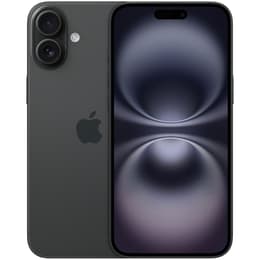
iPhone 16 Plus
iPhone 16 Plus
Starting at

Refurbished price:£503.46

Versus £799.00 new

See options

Ratings

The Samsung Galaxy A26, released in March 2025, and the Apple iPhone 16 Plus, launched in September 2024, represent distinct approaches to smartphone design and functionality. While the Galaxy A26 offers a feature-rich Android experience in the mid-range segment, the iPhone 16 Plus delivers Apple's premium iOS ecosystem with a focus on performance and battery longevity. Both devices aim to provide a comprehensive smartphone experience, but they cater to different user priorities through their respective operating systems and hardware philosophies.

Scores

Durability

When considering the long-term usability of these devices, both the Galaxy A26 and the iPhone 16 Plus offer substantial software support, though with different timelines and ecosystems.

  • Software Longevity: The Samsung Galaxy A26 ships with Android 15 and is promised six major OS upgrades and six years of security updates, extending its support until March 2031. This is a significant commitment for an Android device, ensuring a prolonged period of updated features and security. The iPhone 16 Plus, launching with iOS 18, benefits from Apple's typically long software support, with its current operating system being iOS 26.3.1 as of March 2026, indicating a robust update schedule for many years to come.
  • Physical Durability: The Galaxy A26 features IP67 water and dust resistance and is built with Gorilla Glass Victus+ on both the front and back, offering a good level of protection against everyday mishaps. The iPhone 16 Plus boasts an IP68 rating for enhanced water and dust resistance, along with Apple's Ceramic Shield on its display and back, which has demonstrated better scratch resistance in tests compared to some other smartphones.
  • Repairability: While specific repairability scores can vary, the iPhone 16 Plus has been noted in some durability tests for potentially easier repairability than its Pro counterparts due to certain design choices. Information regarding the repairability of the Galaxy A26 is less detailed, but its mid-range positioning often implies a more straightforward repair process compared to high-end devices.

Year of Release

2024

2024

Compatible with latest Update

Yes

Yes

Foldable

No

No

Performance

The performance of a smartphone is crucial for daily tasks, app usage, and overall responsiveness, and these two devices approach it from different platforms.

  • Processing Power: The Samsung Galaxy A26 is powered by the Exynos 1380 processor, which provides solid performance for everyday use, including social media, browsing, and casual gaming. Users generally find it capable of handling multiple apps simultaneously, though some minor hiccups or lag might occur during intensive multitasking or graphically demanding games. The iPhone 16 Plus integrates Apple's A18 chip, designed to deliver a highly responsive and fluid user experience. This processor ensures smooth operation across demanding applications, high-fidelity gaming, and efficient multitasking, with users reporting top-class performance and no noticeable lag.
  • Storage and Multitasking: The Galaxy A26 offers storage options of 128GB or 256GB, with 6GB or 8GB of RAM, and includes a microSD card slot for expandable storage, which is beneficial for users who require significant space for media and files. The iPhone 16 Plus comes with 128GB, 256GB, or 512GB of internal storage, typically paired with ample RAM to support its optimized iOS environment, ensuring efficient app management and quick switching without the need for expandable storage.
  • Battery Behavior: The Galaxy A26 features a 5000mAh battery, generally providing a full day of moderate use, though some reviews suggest its battery life can be average or uninspiring for heavy users, with around 6 hours of screen-on time. The iPhone 16 Plus, with its 4674mAh battery, is noted for its exceptional battery life, often lasting 1.5 to 2 days for many users, and up to 27 hours of video playback, making it a strong contender for those prioritizing extended usage between charges.

Memory (GB)

8 GB

8 GB

Screen quality

The visual experience is a key differentiator, and both devices offer displays designed for vibrant content consumption, albeit with some distinctions.

  • Display Technology and Size: The Samsung Galaxy A26 features a 6.7-inch Super AMOLED display with a Full HD+ resolution (1080 x 2340 pixels), providing vibrant colors and deep blacks. The iPhone 16 Plus also sports a 6.7-inch Super Retina XDR OLED display, offering a higher resolution of 2796 x 1290 pixels, which translates to a slightly sharper image.
  • Brightness and Clarity: The Galaxy A26's display reaches a peak brightness of around 550-731 nits, which is generally sufficient for indoor viewing but may struggle with visibility under direct sunlight. The iPhone 16 Plus offers a higher typical brightness of 1000 nits and a peak outdoor brightness of 2000 nits, ensuring excellent visibility even in bright outdoor conditions.
  • Refresh Rate and Features: The Galaxy A26 benefits from a 120Hz refresh rate, contributing to smoother scrolling and a more fluid visual experience, particularly noticeable during gaming and navigating the interface. The iPhone 16 Plus maintains a 60Hz refresh rate, which is standard but does not offer the same level of fluidity as higher refresh rate displays. However, it includes Apple's Dynamic Island, an interactive area around the front camera that displays alerts and background activities.

Resolution

1080 x 2340

1290 x 2796

Audiovisual

Photography and videography capabilities are often a deciding factor, and both smartphones provide tools for capturing moments, with different strengths.

  • Rear Camera System: The Samsung Galaxy A26 is equipped with a triple-camera setup, including a 50MP main sensor with Optical Image Stabilization (OIS), an 8MP ultrawide lens, and a 2MP macro lens. The main camera performs well in daylight, producing natural colors and good dynamic range, though low-light performance can be improved, and the macro lens is often considered less useful. The iPhone 16 Plus features an advanced dual-camera system with a 48MP Fusion Main camera (f/1.6, OIS) that can achieve a 2x telephoto effect through cropping, and a 12MP ultrawide camera (f/2.2). It is praised for sharp, noise-free, and detailed photos, with improved ultrawide performance in dim lighting.
  • Front Camera Performance: The Galaxy A26 has a 13MP front camera that captures good selfies with natural colors and preserved facial details. The iPhone 16 Plus includes a 12MP front camera, which is consistently rated as one of the best for selfies, offering high-quality images and video calls.
  • Video Recording Capabilities: The Galaxy A26 supports 4K video recording at 30 frames per second with its main rear camera, and 1080p for the ultrawide and selfie cameras. The iPhone 16 Plus excels in video, offering 4K Dolby Vision recording at various frame rates (24, 25, 30, or 60fps), along with features like Cinematic Mode and Action Mode, providing advanced options for video creators.
  • Audio Experience: The Galaxy A26 features a single bottom-firing speaker, which some users describe as tinny and lacking depth, and it does not include a 3.5mm headphone jack. The iPhone 16 Plus provides a more immersive audio experience with Dolby Atmos-tuned Spatial Audio, delivering richer sound for media consumption.

Front camera

13 megapixels

12 megapixels

Miscellaneous

Beyond core specifications, several practical elements contribute to the overall user experience and daily convenience.

  • Connectivity Standards: Both devices support 5G connectivity for fast mobile data. The Galaxy A26 utilizes Wi-Fi 5, while the iPhone 16 Plus features the newer Wi-Fi 7 standard, offering potentially faster and more stable wireless connections. Both include Bluetooth for accessory pairing.
  • Ports and Biometrics: The Galaxy A26 comes with a USB-C port for charging and data transfer, and a side-mounted fingerprint scanner for secure unlocking. It also retains a hybrid SIM slot. The iPhone 16 Plus also uses a USB-C port, aligning with modern connectivity standards. For biometrics, it relies on Face ID for secure authentication. It also features the customizable Action Button, inherited from Pro models, allowing quick access to various functions.
  • Design and Handling: The Galaxy A26 has dimensions of 164 x 77.5 x 7.7 mm and weighs 200g, featuring a sleek design with an elegant glass back. The iPhone 16 Plus measures 160.9 x 77.8 x 7.8 mm and weighs 199g, offering a similar large form factor with an aluminum frame and a color-infused glass back. Both devices are substantial in hand, which might impact one-handed use for some individuals.

Weight

197 g

199 g

Screen size (in)

6.5

6.7

Mobile network

5G

5G

SIM card

Dual Physical SIM

Physical SIM + eSIM

Carrier compatibility

Unlocked

Unlocked

Connector

USB-C

USB-C (USB 2)

The Samsung Galaxy A26 and iPhone 16 Plus cater to different user preferences, each excelling in specific areas. The Galaxy A26 is often praised by users for its vibrant AMOLED display and Samsung's commitment to six years of software updates, making it a compelling option for those seeking long-term Android support. Its main camera performs well in good lighting, and the expandable storage is a significant advantage for many. However, some users note that its performance isn't always the best for heavy tasks, and the single speaker and average low-light camera performance are frequent criticisms.

Conversely, the iPhone 16 Plus receives high marks for its consistently strong performance, fluid user experience, and exceptional battery life, often lasting well over a day for most users. Its camera system is highly regarded for reliability and quality, particularly in video recording. Common praise points include its robust build quality with Ceramic Shield and IP68 rating. Some users, however, express disappointment with the 60Hz refresh rate display and the absence of a dedicated telephoto lens, which is present in higher-tier iPhone models.

Users prioritizing extensive software support, a customizable Android experience, and expandable storage may find the Galaxy A26 well-suited to their needs. It's a practical choice for those who value a good display and a capable main camera for everyday photography. On the other hand, users who prioritize a highly optimized ecosystem, top-tier performance for demanding applications, superior video capabilities, and industry-leading battery life will likely lean towards the iPhone 16 Plus. Its enhanced durability and consistent camera performance make it a reliable companion for various activities.

For those considering either device, exploring quality-assured refurbished options can provide an eco-friendly alternative, offering access to these technologies while supporting sustainable consumption.

See all articles

Our recent comparisons