
Google Pixel 8 Pro Vs Sony Xperia 1 IV

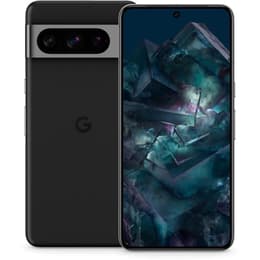
Google Pixel 8 Pro
Google Pixel 8 Pro
Starting at

Refurbished price:£253.00

Versus £960.91 new

See options
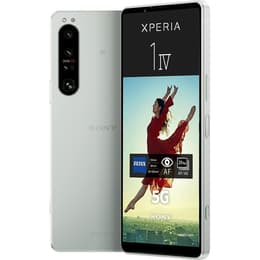
Sony Xperia 1 IV
Sony Xperia 1 IV
Starting at

Refurbished price:£346.00

Versus £1,500.00 new

See options

Ratings

The Google Pixel 8 Pro (released October 2023) and the Sony Xperia 1 IV (released May 2022) are both high-end smartphones offering distinct approaches to mobile technology. While the Pixel 8 Pro emphasizes advanced computational photography and long-term software support, the Xperia 1 IV focuses on a unique 4K display and professional-grade camera features, catering to different user priorities. Both devices run on the Android operating system, but with varying update commitments and user experiences.

Scores

Durability

When considering the long-term usability of these devices, their release timelines and software support policies are key differentiators.

  • Release Timeline: The Google Pixel 8 Pro, launched in October 2023, is a more recent device compared to the Sony Xperia 1 IV, which was released in May 2022. This difference in launch dates inherently provides the Pixel 8 Pro with a longer potential lifespan for receiving the latest software and security updates.
  • Software Longevity: Google has committed to an extensive seven years of OS upgrades, security updates, and Feature Drops for the Pixel 8 Pro, extending support until 2030. This commitment also includes seven years of hardware support and parts availability. The Sony Xperia 1 IV launched with Android 12 and has received updates to Android 13 and 14, but Sony's update policy is typically shorter than Google's, suggesting a more limited software lifespan compared to the Pixel 8 Pro.
  • Repairability: The Google Pixel 8 Pro has been noted for a repairability score of 4.0 out of 10, primarily due to the use of strong adhesives for the battery and a soldered charging port, making certain repairs challenging. The Sony Xperia 1 IV received a slightly higher repairability score of 5.5 out of 10, indicating a somewhat easier repair process, though it also utilizes adhesives and requires careful disassembly.

Year of Release

2023

2022

Compatible with latest Update

Yes

No

Foldable

No

No

Performance

The performance of a smartphone is crucial for daily tasks, from app usage to demanding multimedia creation.

  • Processor Capabilities: The Google Pixel 8 Pro is powered by Google's Tensor G3 processor, which is designed to handle demanding applications and multitasking smoothly, with a strong emphasis on artificial intelligence-powered features. The Sony Xperia 1 IV features a Qualcomm Snapdragon 8 Gen 1 processor, which delivers robust performance for everyday use and gaming, though it has been noted for its power consumption characteristics.
  • Battery Behavior: The Pixel 8 Pro is equipped with a 5050 mAh battery, and users generally report it can last for approximately 1.5 days of typical use, with screen-on times ranging from 4 to 7 hours depending on usage intensity. The Xperia 1 IV has a 5000 mAh battery, but real-world usage often indicates shorter battery life, with screen-on times typically around 5 to 6 hours, especially when the high refresh rate display is active.
  • Storage and Responsiveness: Both devices offer ample storage options, with the Pixel 8 Pro available in configurations up to 1TB and the Xperia 1 IV offering up to 512GB with expandable storage via a microSD card. Both phones provide a responsive user experience, with applications loading quickly and smooth transitions between tasks, supported by 12GB of RAM in both models.

Memory (GB)

12 GB

12 GB

Screen quality

The display is a primary interface for smartphone interaction, and both devices offer high-quality viewing experiences with distinct characteristics.

  • Display Technology and Resolution: The Google Pixel 8 Pro features a 6.7-inch LTPO OLED display with a resolution of 2992 x 1344 pixels, providing sharp and clear visuals. The Sony Xperia 1 IV stands out with a 6.5-inch 4K HDR OLED "CinemaWide" display, offering a higher resolution of 3840 x 1644 pixels and a unique 21:9 aspect ratio, which is well-suited for cinematic content.
  • Brightness and Clarity: The Pixel 8 Pro's "Super Actua" display can reach a peak brightness of up to 2400 nits, with HDR content reaching 1600 nits, making it highly visible even in bright outdoor conditions. The Xperia 1 IV's display is also bright, noted to be 50% brighter than its predecessor, enhancing the viewing experience for its 4K content.
  • Refresh Rate and Smoothness: The Pixel 8 Pro offers an adaptive refresh rate that can dynamically adjust from 1Hz to 120Hz, contributing to smooth scrolling and animations while optimizing power consumption. The Xperia 1 IV also features a 120Hz refresh rate, providing a fluid visual experience, particularly noticeable during gaming and fast-paced content.

Resolution

1344 x 2992

1644 x 3840

Screen type

LTPO OLED

OLED

Audiovisual

Both smartphones offer advanced camera systems, but with different strengths and features tailored to various photography and videography needs.

  • Camera System Capabilities: The Google Pixel 8 Pro is equipped with a versatile triple-camera setup, including a 50MP main sensor, a 48MP ultrawide lens with a wide field of view, and a 48MP telephoto lens capable of 5x optical zoom. The Sony Xperia 1 IV also features a triple-camera system, with three 12MP sensors for its main, ultrawide, and a unique telephoto lens that offers true optical zoom between 85mm and 125mm.
  • Photography Performance: The Pixel 8 Pro excels in computational photography, offering features like improved low-light performance with "Night Sight video" and enhanced camera controls for photographers. The Xperia 1 IV, with its ZEISS optics and T* Coating, is designed to deliver high-quality images with a focus on professional-grade controls and color accuracy, appealing to users who prefer manual adjustments.
  • Video Recording and Audio: The Pixel 8 Pro offers strong video recording capabilities, with particular improvements in low-light video quality. The Xperia 1 IV supports 4K HDR video recording at up to 120 frames per second across all its rear lenses, making it a strong contender for videographers. For audio, the Xperia 1 IV includes a 3.5mm headphone jack and front-firing stereo speakers, catering to audio enthusiasts.

Main camera

50 megapixels

12 megapixels

Front camera

10.5 megapixels

12 megapixels

Miscellaneous

Beyond core specifications, several practical elements contribute to the overall user experience of these devices.

  • Connectivity and Ports: Both the Pixel 8 Pro and Xperia 1 IV support 5G connectivity, along with modern Wi-Fi and Bluetooth standards. The Pixel 8 Pro features a USB-C port for charging and data transfer. The Xperia 1 IV also uses a USB-C 3.2 port and notably includes a 3.5mm headphone jack, a feature less common in contemporary flagship smartphones.
  • Biometric Security: The Pixel 8 Pro offers both an under-display fingerprint scanner and Face Unlock, with the latter meeting high Android security standards. The Xperia 1 IV utilizes a side-mounted fingerprint sensor integrated into the power button for secure access.
  • Physical Design and Durability: The Pixel 8 Pro measures 162.6 x 76.5 x 8.8mm and weighs 213g, featuring a flat display and an aluminum frame with Gorilla Glass Victus 2 on the front and back. The Xperia 1 IV is slightly taller and narrower at 165 x 71 x 8.2mm, weighing 185g, and is protected by Corning Gorilla Glass Victus on both its front and back. Both devices carry an IP68 rating for dust and water resistance. The Xperia 1 IV also includes a dedicated two-stage camera shutter button.

Weight

213 g

185 g

Screen size (in)

6.7

6,5

Mobile network

5G

5G

SIM card

Physical SIM + eSIM

Physical SIM + eSIM

Carrier compatibility

Unlocked

Unlocked

The Google Pixel 8 Pro and Sony Xperia 1 IV cater to different segments of the smartphone market, each with distinct strengths. Users frequently praise the Pixel 8 Pro for its advanced camera capabilities, particularly its computational photography features and significant improvements in low-light video. Its extended software support commitment is also a major draw for those seeking long-term device longevity. Some users, however, have noted that while battery life is improved over previous Pixel models, it may not always match the endurance of some competitors under heavy use.

The Sony Xperia 1 IV is often lauded for its unique 4K OLED display, which provides an immersive viewing experience, especially for cinematic content. Its professional-grade camera features, including true optical zoom and a dedicated shutter button, appeal to photography and videography enthusiasts. The inclusion of a 3.5mm headphone jack is also a significant positive for many audio-focused users. Conversely, common criticisms include its shorter battery life, particularly with the 120Hz 4K display active, and a shorter software update commitment compared to the Pixel 8 Pro.

Users prioritizing cutting-edge computational photography, long-term software support, and a bright, adaptive display may find the Google Pixel 8 Pro well-suited to their needs. Conversely, individuals who value a unique 4K cinematic display, advanced manual camera controls, and traditional audio connectivity might lean toward the Sony Xperia 1 IV. Both devices offer robust performance and durability, making them solid choices depending on specific user preferences. For those considering a sustainable choice, quality-assured refurbished options for both models can provide an eco-friendly alternative.


See all articles

Our recent comparisons